Night photography safety tips: Guide to high ISO sensitivity
"The darkness offers a canvas where light becomes the primary subject, but managing that light requires a delicate balance of technical precision and environmental awareness."
Effective night photography involves mastering long exposures, high ISO sensitivity, or artificial lighting to overcome low-light conditions. This guide covers essential techniques for managing exposure, utilizing modern digital tools, and understanding the unique challenges of working after sunset.
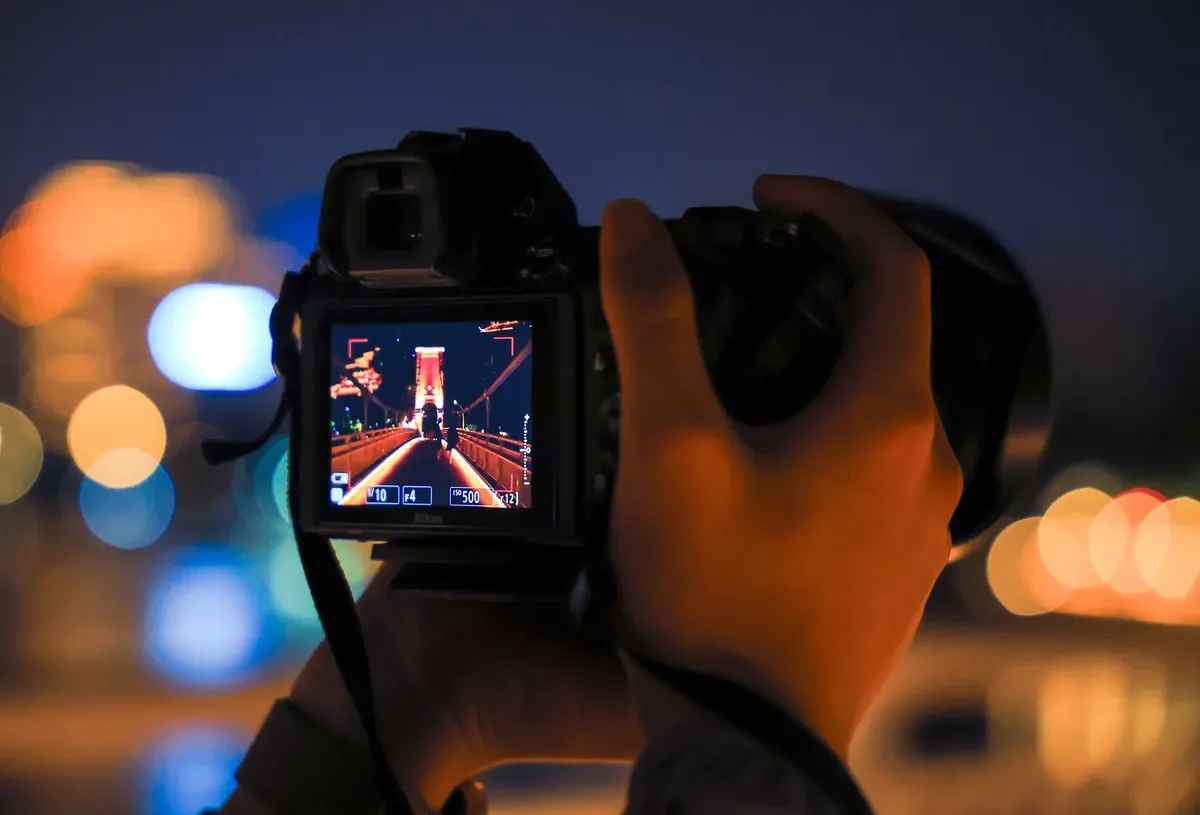
* Mastering various exposure techniques like long exposures or high ISO. * Utilizing digital tools for day-to-night transitions. * Understanding specialized low-light techniques.
How do photographers manage low-light environments?
A photographer stands in a dim park, adjusting the tripod to ensure stability as the sun dips below the horizon. Managing low-light conditions requires specialized techniques to achieve proper exposure. This often involves using long exposures that can range from several seconds to even days.
Other methods include utilizing higher ISO sensitivity or incorporating artificial lighting to illuminate the scene. These techniques allow the sensor to capture enough light to form a visible image in dark settings.
Practitioners must balance these settings to prevent overexposure while maintaining enough detail.
What technological advancements improved night photography safety tips?
A photographer sits in a dark studio, reviewing high-ISO handheld shots on a bright digital screen. Modern technological developments increased night photography's accessibility to broader practitioner communities.
These advancements enabled new approaches, including high-ISO handheld work, light painting, and digitally composited imagery.

These advancements provide a safer and more versatile way to capture scenes without always needing heavy equipment. You can utilize these tools to explore creative lighting without the risks of traditional long-exposure setups.
This flexibility makes it easier to navigate various environments safely.
How does digital photography assist with day-to-night transitions?
A person holds a smartphone, remotely triggering a shutter to capture a skyline transition. Digital photography provides many ways to handle day-to-night transitions. These include automatic exposure and ISO settings, as well as bulb ramping techniques.
Several software solutions also allow photographers to operate the camera from a computer or smartphone. This remote operation can be a useful part of a safe night shooting guide. By using remote triggers, photographers can maintain a safe distance from their subjects or environment.
What are the specific techniques for light control?
A photographer carefully opens the camera iris to let in more light during a twilight shoot. To capture enough light, the iris is often opened fully to maximize intake. In such cases, the exposure duration is limited to long times of more than 1/30 second or so.
This manual control is essential for dark photography precautions. By adjusting the aperture and shutter speed, you can control how much light hits the sensor. Managing these variables is key to preventing motion blur or excessive grain in your images.
How can practitioners implement a night shoot safety rules workflow?
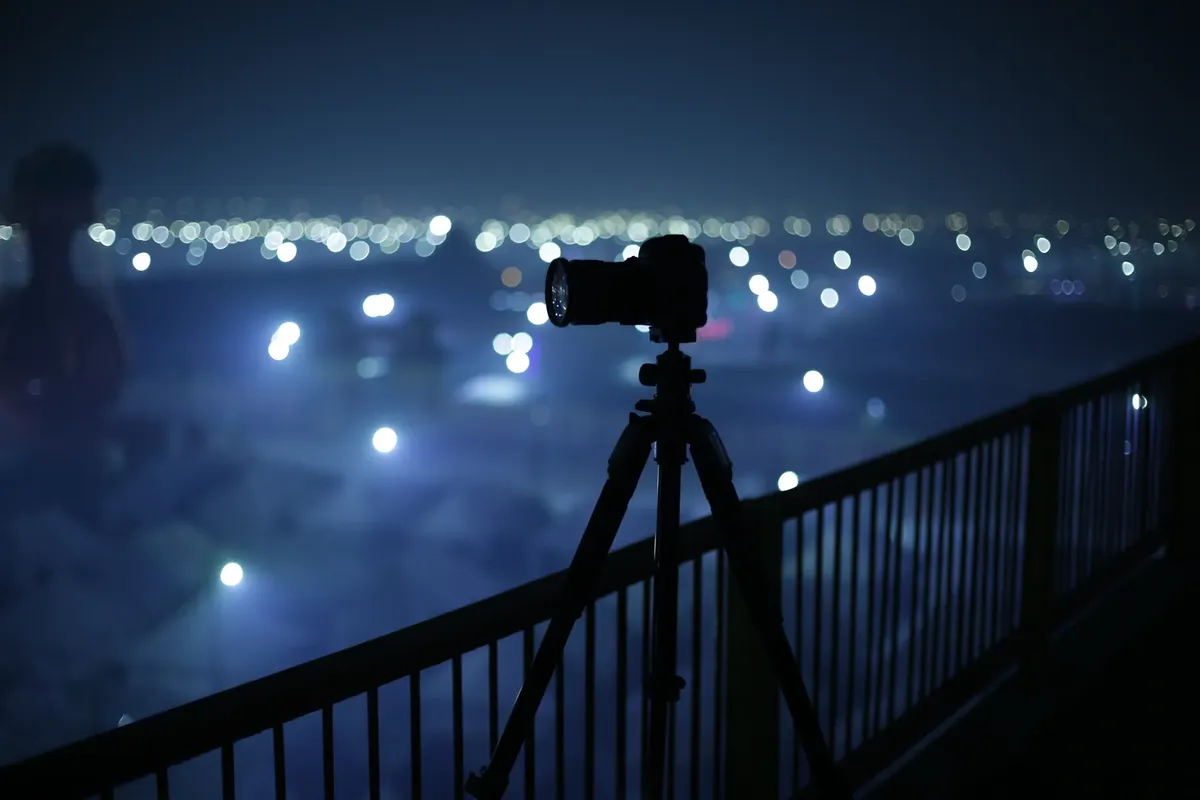
A photographer prepares a gear bag, checking batteries and memory cards before heading out into the dark. To ensure a successful session, follow these steps:
- Select an appropriate exposure method, such as long exposure for stationary subjects or high ISO for handheld shots. 2. Configure digital settings, such as bulb ramping or automatic ISO, to manage the transition from dusk to dark. 3. Perform a final check of all equipment, including remote triggers and stability tools.
I found that checking my tripod stability before every long exposure was the most critical step for clarity. A well-organized workflow helps maintain focus on the subject while managing the technical demands of the dark.
What are the limitations of these techniques?
A photographer looks at a grainy image, noting the noise caused by high sensitivity settings. A limitation of these techniques is that high-ISO settings can introduce significant digital noise into the image. Additionally, extremely long exposures require absolute stability to avoid blurring.
| Technique | Primary Benefit |
|---|---|
| Long Exposure | Captures light over seconds or days |
| High ISO | Enables handheld shots in low light |
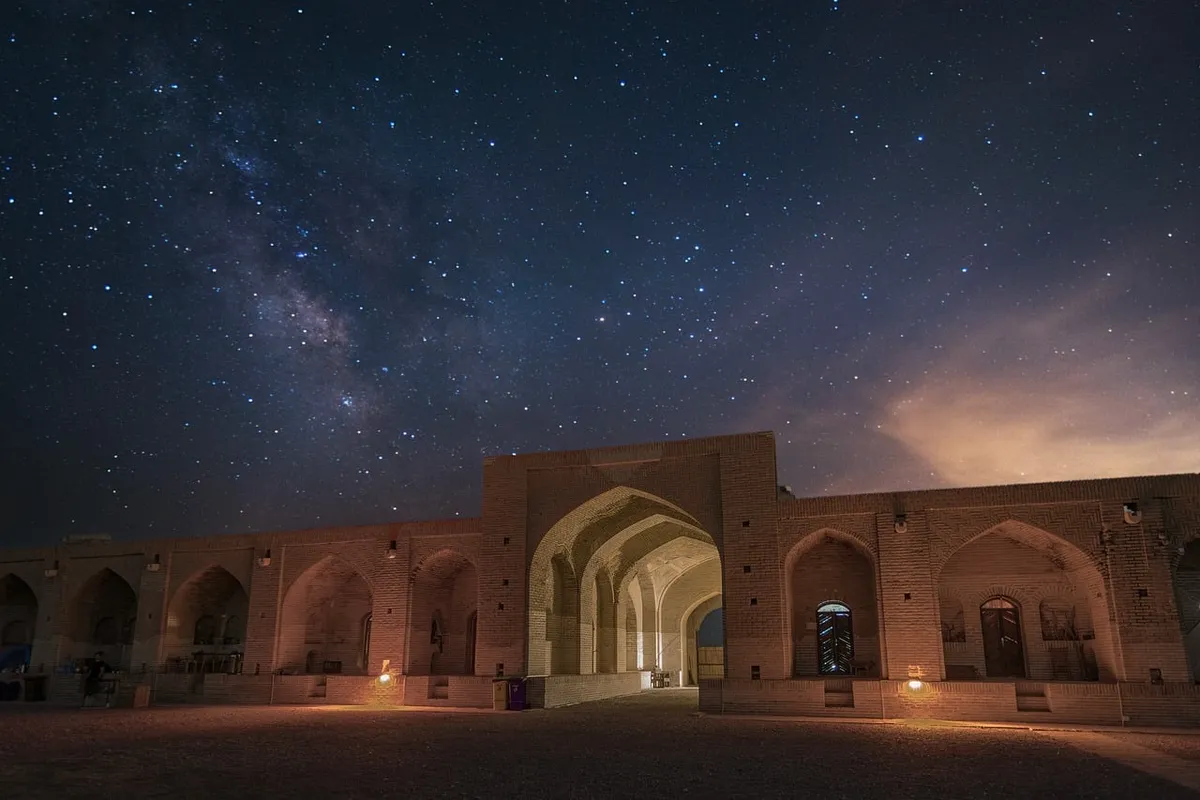
The success of these methods depends heavily on the specific environmental conditions and the equipment used.
- How do photographers manage low-light environments?
- What technological advancements improved night photography safety tips?
- How does digital photography assist with day-to-night transitions?
The subject here is Night photography safety tips.
The same subject is also called Low light safety advice.
This part also covers Gear check for night shoots.
This part also covers Exposure settings safety guide.
This part also covers Preventing accidents at night.
Gear check for night shoots
Related
- iPhone 18 Pro best camera feature: Quad-sensor array guide
- Lighting choice criteria guide: Human eye sensitivity tips
When is the darkness most challenging for image capture?
The darkness presents unique challenges when the light levels drop significantly, making the management of light a critical concern. When the environment becomes extremely dark, the reliance on high ISO sensitivity increases, which brings the risk of digital noise. Furthermore, the absence of ambient light necessitates longer exposure times to gather sufficient photons onto the sensor.
How does environmental awareness influence technical choices?
Environmental awareness dictates which technical choices are most appropriate for the scene. If the subject is stationary, a long exposure offers a clear path to capturing light over extended periods. Conversely, if the subject moves, the need for faster capture times favors higher ISO settings to mitigate motion blur.
The darkness itself acts as a backdrop, emphasizing the light sources within the frame. Photographers must consider how the surrounding environment will interact with the artificial or natural light they introduce.
When utilizing digital tools, the ambient light level informs the automatic exposure settings. A transition from twilight to deep night requires a different approach to exposure management than a scene captured during civil twilight.
Wikipedia: Night photography (full) Based on the retained excerpt mentioning San Francisco Guild of the Arts: ISBN 1-55595-009-4 Zabrina Tipton – At Night in San Francisco, San Francisco Guild of the Arts, 2006.





Comments 0