Mobile street photography ethics: how to respect dignity
"The camera is a tool that captures a moment, but the person behind the lens carries the responsibility of the subject's dignity."
Maintaining high ethical standards in mobile street photography requires balancing artistic expression with respect for personal privacy. This guide explores how to navigate public spaces using a smartphone, focusing on consent, situational awareness, and legal boundaries.
Key takeaways include recognizing the difference between public space and private moments, understanding the impact of digital distribution, and learning how to interact with subjects to maintain mutual respect.
How to manage mobile street photography ethics?
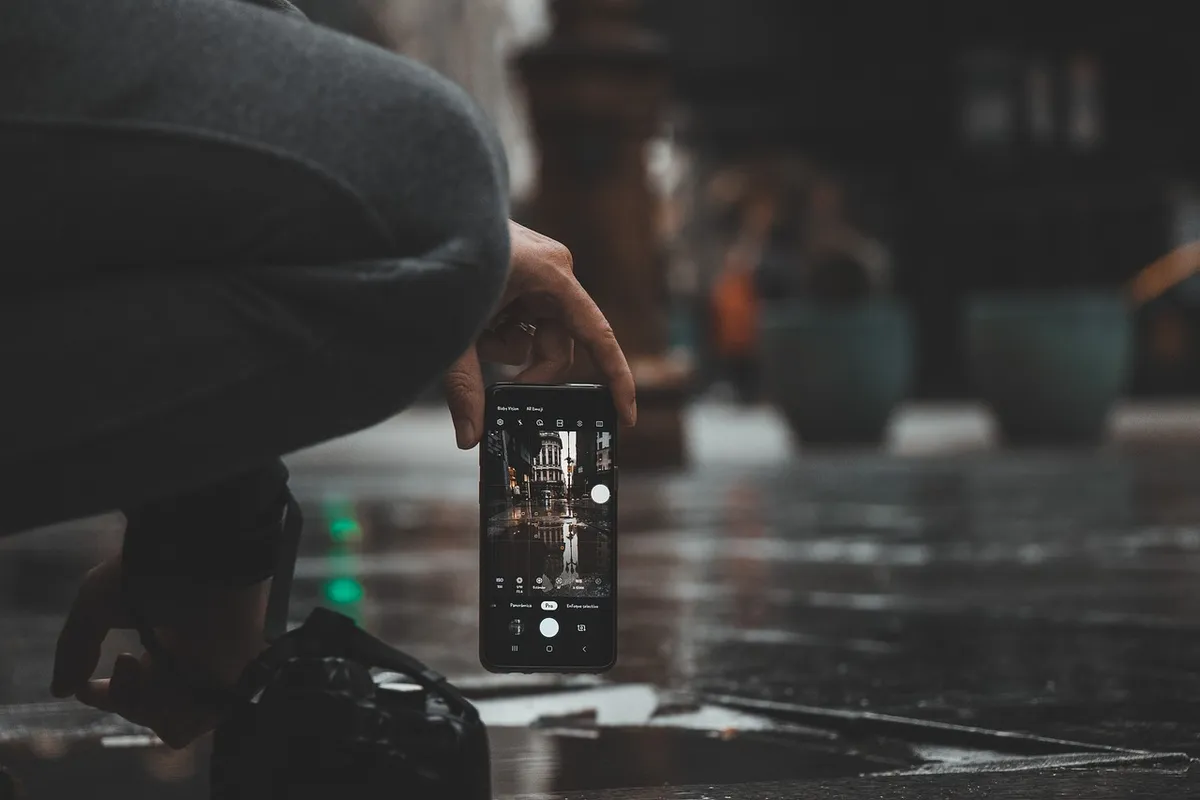
A photographer stands on a busy corner, adjusting the focus on a smartphone screen as a passerby walks through the frame. Navigating mobile street photography ethics involves understanding that while the law often allows photography in public, moral considerations remain paramount.
The goal is to capture authentic human experiences without exploiting vulnerable individuals. Respecting the subject's dignity ensures that the art remains meaningful rather than intrusive.
Effective mobile street photography ethics requires a constant evaluation of the scene. If a subject appears distressed, embarrassed, or in a vulnerable state, the photographer must decide if the shot is worth the potential harm to that individual's privacy.
What are the privacy rules for my smartphone photos?
At sunset, I grip my mobile device tightly while scanning the crowded market for any signs of sensitive subjects. A person walks through a crowded market, eyes scanning the environment while holding a phone at waist height. Adhering to smartphone photo privacy rules helps prevent legal complications and social friction.
These rules often center on the expectation of privacy in specific settings. Even in public, certain behaviors or sensitive situations might fall under different legal scrutiny depending on local regulations.
When using mobile devices, the small footprint of a phone makes it easier to blend in, but it also makes the act of filming or photographing more discreet. This discretion should not be used to bypass the basic human decency of acknowledging those being captured.
What are the ethical guidelines for street photography?
A photographer lowers their phone after a successful shot, making eye contact and offering a polite nod to a stranger. Following street photo ethical guidelines helps build a rapport between the artist and the community.
One primary guideline is to avoid capturing individuals in compromising positions that could damage their reputation or well-being. This is especially critical when using high-resolution mobile sensors that can capture intimate details.
If a subject asks you to stop or delete a photo, respecting that request immediately is a cornerstone of ethical conduct. This prevents unnecessary conflict and honors the person's autonomy over their own likeness.
Respecting privacy in street shots
A traveler sits on a park bench, watching the sunset while observing the quiet movements of people nearby. Respecting privacy in street shots means recognizing that some moments are too personal to be shared widely.
Even if a shot is technically legal, the decision to publish it should be weighed against the potential impact on the subject. A single image can have a lasting digital footprint that the subject did not intend.
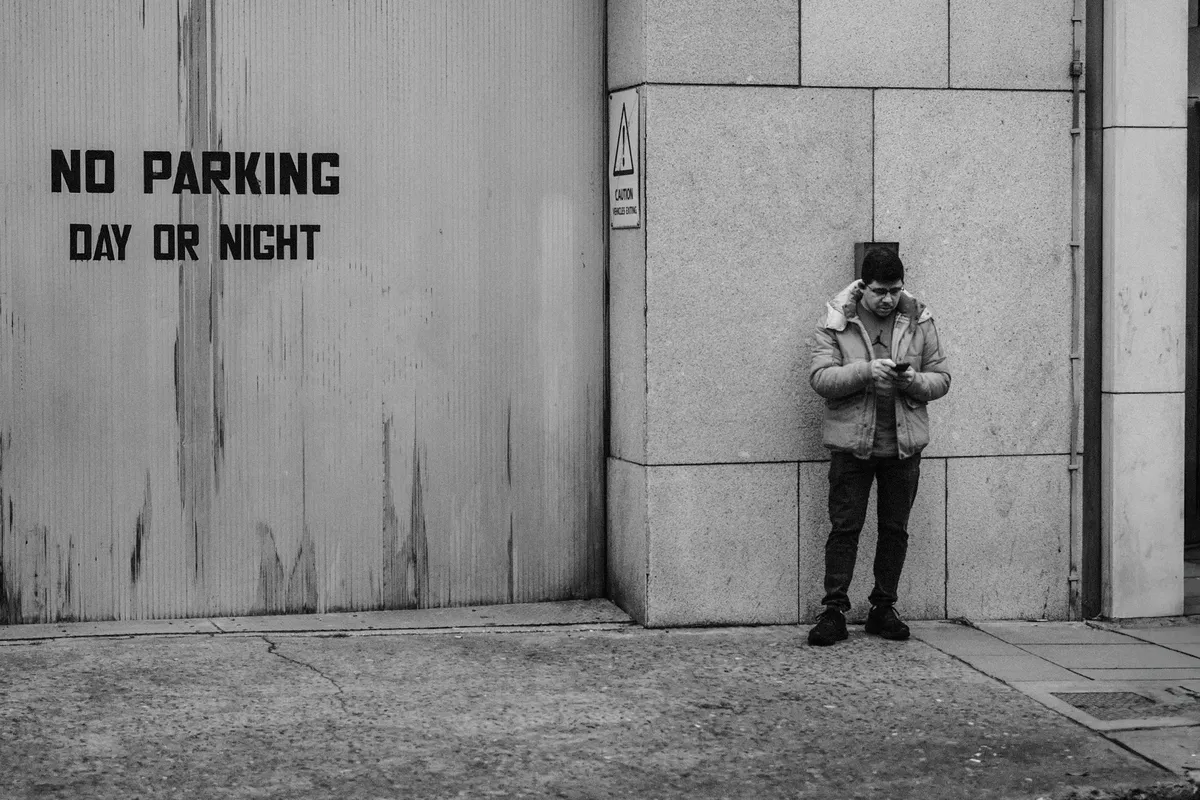
Consider the context of the environment. A person in a professional setting or a child in a playground requires a higher degree of sensitivity and caution than a person in a crowded tourist plaza.
Mobile photo conduct standards
An artist reviews a series of images on a mobile device, carefully selecting shots that tell a story without being predatory. Maintaining mobile photo conduct standards ensures that the photographer's intent remains artistic rather than exploitative.
This involves being mindful of the power dynamic between the person with the camera and the person being photographed. The photographer should never use their device to harass or intimidate others.
Professionalism in the field means being prepared to explain your work if asked. Being transparent about your hobby or profession can often de-escalate tension and foster a more positive environment for street photography.
How to shoot street photos ethically?
A photographer waits for the right light, observing the rhythm of the street before deciding to capture a scene. Learning how to shoot street photos ethically involves a three-step process of observation, timing, and reflection.
- Observe the environment to understand the social norms of the specific location before raising the camera. 2. Capture the moment with minimal disruption to the natural flow of the scene to avoid being intrusive. 3. Perform a final check by looking at the captured image through the lens of the subject's perspective.
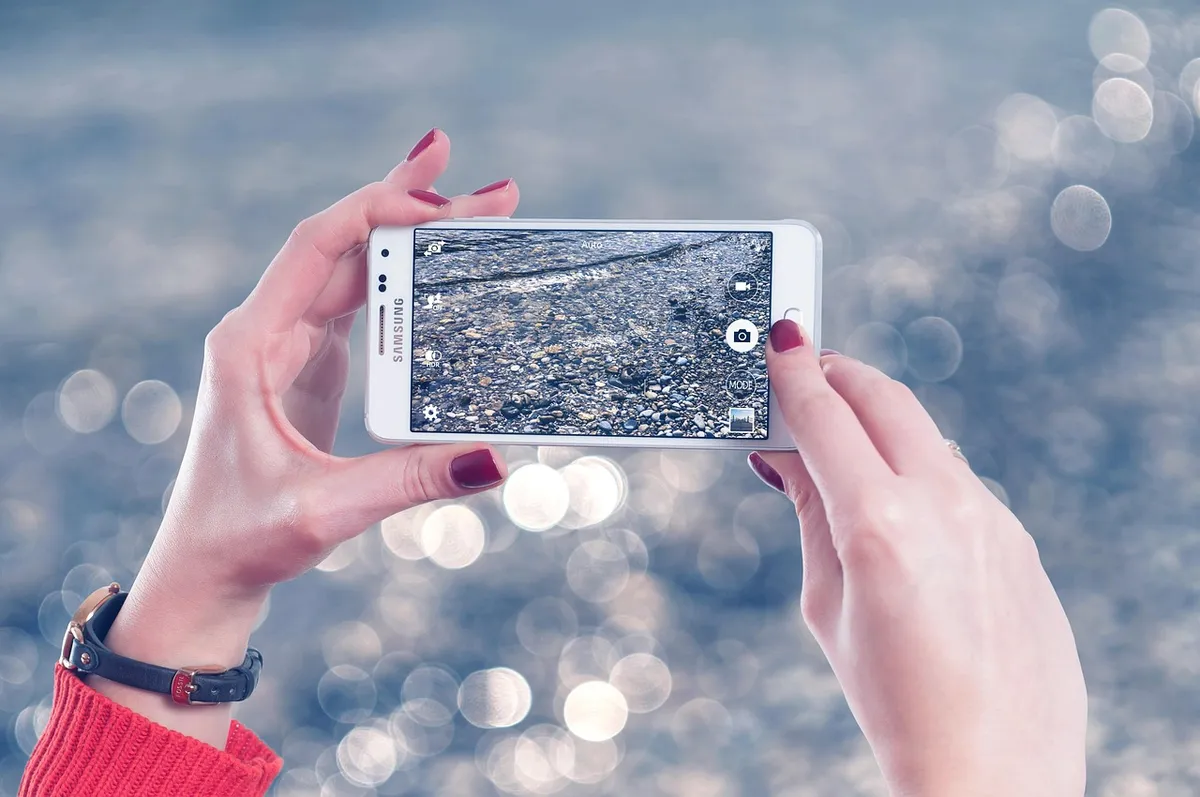
I once found myself in a crowded terminal, deciding whether to capture a candid moment of a traveler. I realized that the person's expression was one of peace, not vulnerability, so I proceeded with a respectful distance.
A limitation of these guidelines is that they cannot account for every unique local law or cultural nuance.
| Aspect | Ethical Focus | Practical Application |
|---|---|---|
| Privacy | Respecting personal boundaries | Avoid sensitive or vulnerable subjects |
| Dignity | Maintaining subject honor | Prioritize human connection over shock value |
- How to manage mobile street photography ethics?
- What are the smartphone photo privacy rules?
- Understanding street photo ethical guidelines
Related
- How to handle privacy in street photography?
- Night photography safety tips: Guide to high ISO sensitivity
When does the camera become intrusive?
When the camera captures an individual in a state of distress or embarrassment, the act transitions from documentation to intrusion. The photographer must weigh the artistic merit of the image against the potential emotional harm to the subject. This evaluation is a core component of maintaining ethical standards in mobile street photography.
What should a photographer do if a subject objects to being photographed?
If a subject explicitly asks the photographer to cease taking pictures or to remove an existing photograph, the photographer must comply immediately. Honoring this request demonstrates respect for the individual's autonomy over their own likeness, which is a fundamental ethical requirement.
The camera, while a powerful tool for capturing fleeting moments, demands that the operator remain acutely aware of the power dynamic present in any street interaction. This awareness guides the photographer toward respectful engagement rather than mere observation.
Understanding the difference between public space and private moments is crucial for ethical practice. Even in areas accessible to the public, certain personal moments retain a right to privacy that the photographer must acknowledge.
Wikipedia: Street Photography Now (full) Based on the retained excerpt mentioning Historical Museum of Warsaw: Street Photography Now, Third Floor Gallery, Cardiff, October–November 2010, and toured to Contributed Studio for the Arts, Berlin, December 2010 – January 2011; and the Museum of Printing, Historical Museum of Warsaw, Warsaw, November 2011 – January 2012.



Comments 0