How to handle privacy in street photography?
"The right to privacy is a fundamental pillar of human rights that must be balanced against the artistic desire to capture the world as it is."
Respecting privacy in street photography requires a delicate balance between artistic expression and the legal or moral rights of the subjects being captured.
This guide covers essential ethical considerations, legal frameworks like the European Union's Human rights standards, and practical ways to handle sensitive captures. Key takeaways include understanding privacy laws, managing subject consent, and recognizing the limitations of candid photography.
How to handle privacy in street photography?
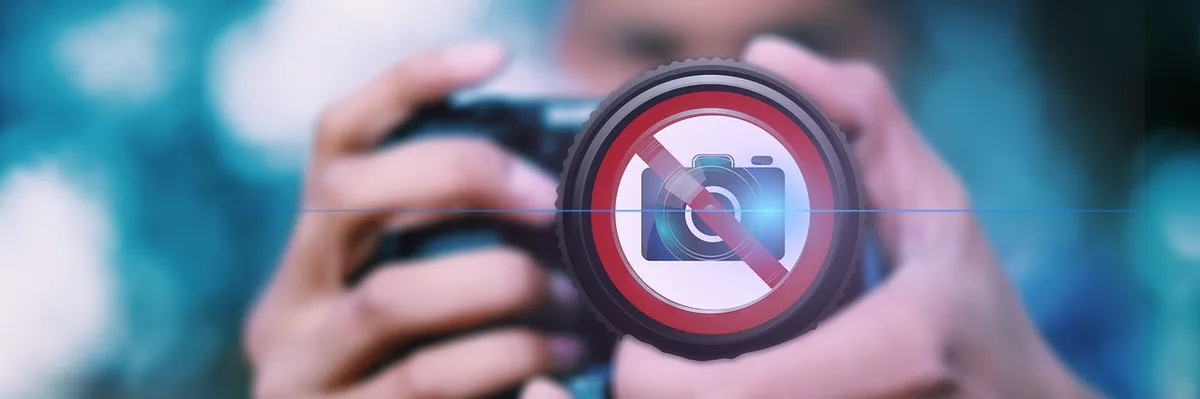
At sunset in the crowded plaza, I tighten my grip on the camera while deciding how to handle the sudden realization that I have captured someone in a vulnerable moment.
A photographer stands on a busy sidewalk, adjusting a lens while observing the flow of pedestrians passing through a sunlit plaza. Respecting privacy in street photography means being mindful of how a captured moment might impact the person in the frame.
It involves understanding that a single shot can represent a person's dignity or a violation of their personal space.
According to the European Union's Human Rights Act 1998, which all EU countries must uphold in their domestic law, a right to privacy is established. This legal foundation means that photographers must operate within the bounds of local laws that protect individuals from intrusive documentation.
Ethical street photography tips suggest that while the law might allow a shot, respect often dictates a more cautious approach.
The tension between capturing a candid moment and respecting an individual's right to themselves is a constant challenge for any artist. I remember adjusting my grip on a camera while wondering if a subject would feel violated by a sudden flash.
Navigating these social boundaries is just as important as mastering technical settings.
- Observe the environment to gauge the social context. 2. Approach subjects with a friendly demeanor if they notice you. 3. Respectly move on if someone expresses discomfort.
Can I get sued for my street photography? Respecting privacy in street photography
A legal professional reviews a contract while a photographer waits in a studio for a client to arrive. Street photo privacy rules often vary depending on the jurisdiction and the specific context of the shot. Understanding these nuances is vital to avoid litigation or social backlash.
Legal disputes can arise when a photograph is used for commercial purposes or when it depicts a person in a compromising way.
In one historical case, a settlement was reached between Alli and Gaylord, where the photographer promised to pay the sculptor a 10% royalty for any subsequent sales of his photograph of the monument. This illustrates how ownership and rights can intersect in complex ways.
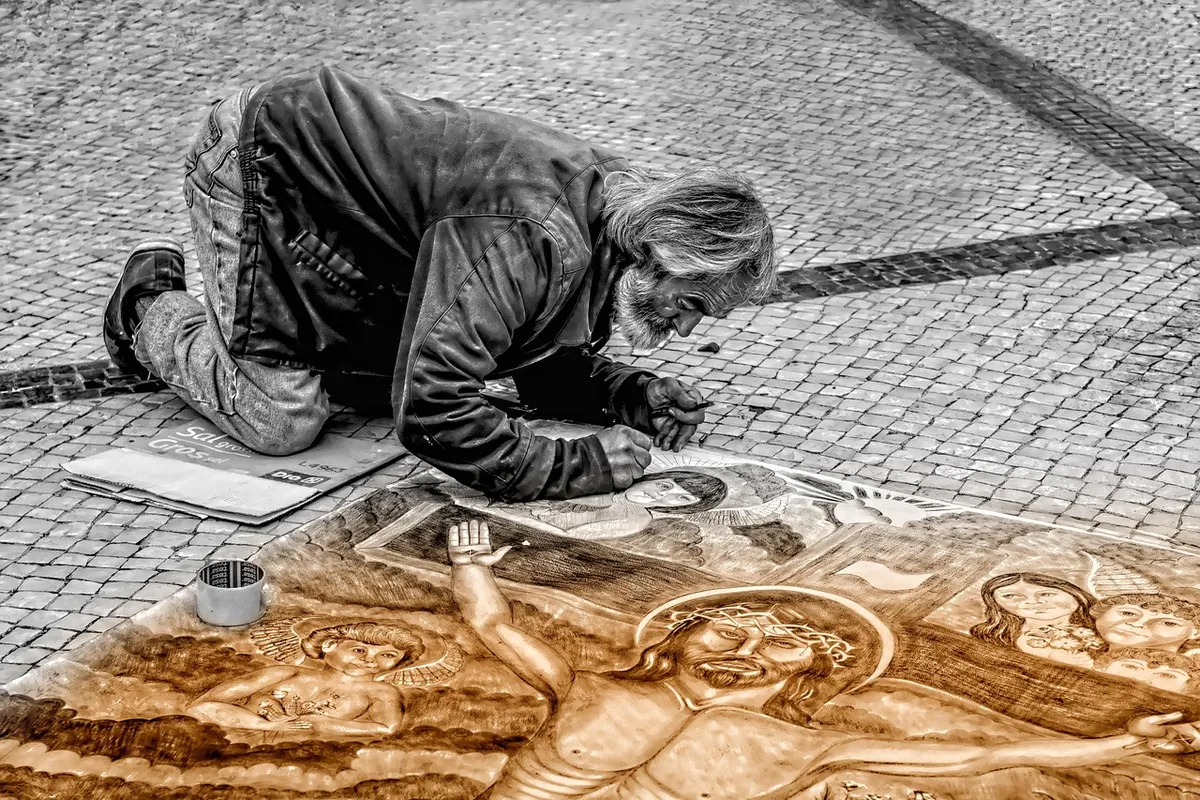
When subjects are part of a public monument or a specific artistic work, the lines of ownership can blur. Keeping these historical precedents in mind helps photographers prepare for potential disputes.
In this order, the second step is the most extensive.
How to shoot people ethically?
A photographer approaches a subject with a polite nod, ensuring the interaction is transparent rather than deceptive. Guidelines for candid street shots often focus on the intent behind the lens and the respect shown to the human element. The goal is to capture truth without causing harm.
Ethical street photography tips emphasize that the person in the photo is a human being, not just a visual element. If a subject appears uncomfortable or asks to be removed, a professional should consider the human cost of the image.
- Observe the subject's reaction to your presence and adjust your distance accordingly. 2. If a subject notices you and appears distressed, offer to delete the image or explain your intent. 3. Avoid capturing individuals in vulnerable, private, or highly distressing moments without careful ethical consideration.
I once had to decide whether to keep a shot after a subject's expression turned from curiosity to discomfort. Choosing to delete that file was a lesson in prioritizing human dignity over a perfect composition.
What gear do I need and how will it change my work?
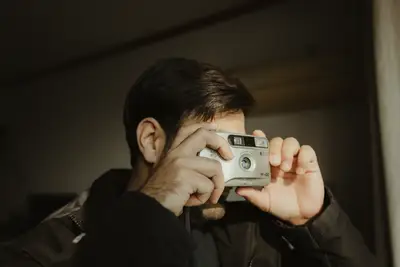
A vintage camera rests on a wooden table, its mechanical parts reflecting the history of visual storytelling. Respecting subjects in photos often involves understanding the tools used to capture them, from historical hidden cameras to modern digital sensors.
The history of photography includes various methods of capturing candid moments. For example, a 35 mm Contax was once described as a hidden camera, concealed beneath a coat and strapped to the chest with a wire running down a sleeve.
Such tools were designed for stealth, but modern ethics favor more transparent engagement.
| Tool Type | Primary Use |
|---|---|
| 35mm Film Cameras | Historically used for urban environments and candid shots |
| Concealed Cameras | Used for hidden recording in specific historical contexts |
While historical tools focused on concealment, modern street photographers often find better rapport through directness.
Can legal rights be applied to specific subjects?
An artist stands before a sculpture, contemplating the relationship between the creator and the captured image. Moral considerations in photojournalism often intersect with the rights of those depicted in artistic or public works.
In cases involving artistic subjects, such as a sculpture, the rights of the original creator may be relevant. The agreement where a photographer paid a 10% royalty to a sculptor highlights that the subject's work can be part of the legal conversation.
The intersection of art and law remains a complex field for photographers. Understanding that subjects may have claims to their likeness or their work is essential for professional longevity.
- How to handle privacy in street photography?
- Can I get sued for my street photography?
- How to shoot people ethically?
Related
- iPhone 18 Pro best camera feature: Quad-sensor array guide
- Lighting choice criteria guide: Human eye sensitivity tips
When does the right to privacy become absolute?
The right to privacy is most strongly asserted when the subject is in a private setting, even if the photographer is technically present in a public area. A photographer must assess whether the captured moment intrudes upon the subject's expectation of personal space.
This assessment requires comparing the artistic merit of the image against the potential harm to the subject's dignity. The legal or moral rights of the subject dictate the boundaries of acceptable documentation.
How does context affect the right to privacy?
Context significantly influences the application of the right to privacy in street photography. Capturing a person in a public square differs from documenting someone in a moment of private distress.
The nature of the activity being photographed helps determine if the documentation crosses an ethical line. A candid shot in a bustling area carries a different weight than an intrusive photograph taken during a moment of vulnerability.
Ethical street photography tips suggest that the public nature of the location does not automatically negate the subject's right to privacy. The intent behind the lens, as mentioned previously, must align with respect for the human element in the frame.
A photographer should always consider the potential impact of the image before pressing the shutter button.

Comments 0