Lighting choice criteria guide: Human eye sensitivity tips
"The difference between a bright room and a functional one often lies in the invisible physics of light absorption and human perception."
A reliable lighting choice criteria guide focuses on balancing luminous efficacy with the physical constraints of the hardware to prevent unnecessary energy loss.
This guide covers the mechanics of phosphor-based LEDs, the impact of internal optical losses, and how size constraints dictate application. You will learn how to evaluate efficiency, identify common failure points like re-absorption, and understand the importance of human eye sensitivity.
How does human eye sensitivity affect lighting selection?
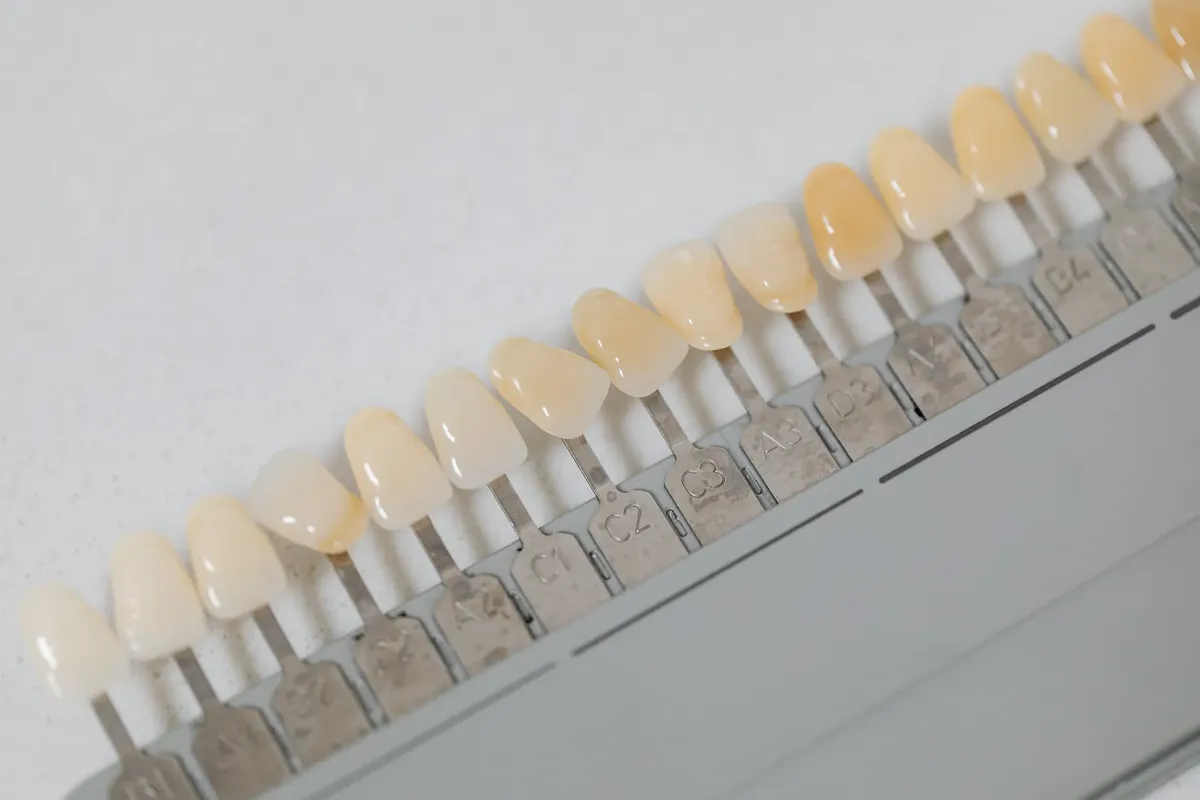
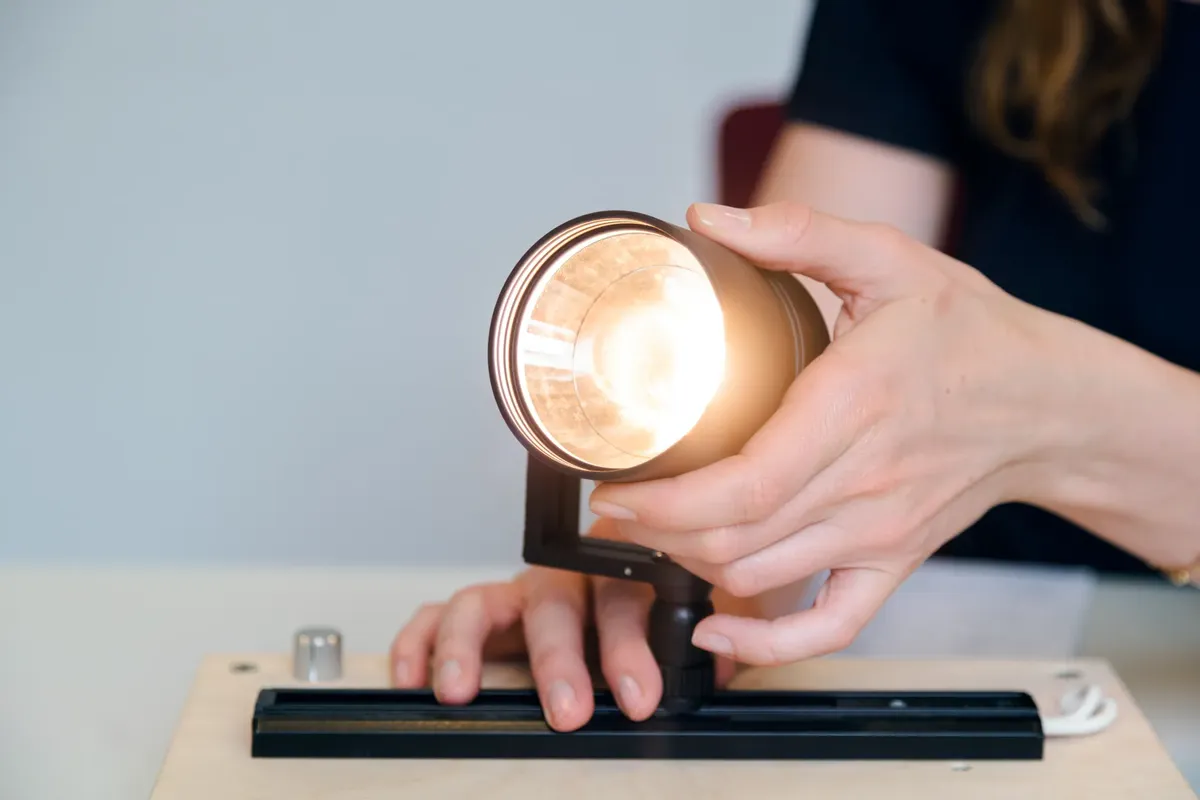
A scientist adjusts a lamp to see how the color spectrum shifts the brightness perceived by a person in the room. The human eye is not equally sensitive to all colors, which fundamentally changes how we measure light efficiency.
According to technical data, the luminous efficacy of a typical YAG yellow phosphor based white LED ranges from 3 to 5 times the luminous efficacy of the original blue LED. This occurs because the human eye has a much greater sensitivity to yellow than to blue, as modeled in the luminosity function.
Selecting a light source requires understanding this biological reality to ensure the output meets the desired brightness.
In this sequence, the second point is the most significant.
What are the primary causes of light loss in LEDs?
An engineer inspects a glowing diode, noting where the light seems to dim before it reaches the lens. Understanding these losses is vital for any lighting selection tips intended to maximize output.
Internal optical losses can significantly reduce the brightness of a device. Losses attributable to internal optical losses due to re-absorption in the LED chip and in the LED packaging itself typically account for another 10% to 30% loss.
This means that even a high-quality chip can lose a large portion of its light before it leaves the housing.

Efficiency also depends on the specific materials used in the phosphor. As of 2010, the most efficient yellow phosphor was the YAG phosphor, which featured less than 10% Stokes shift loss. This specific material property helps mitigate the energy lost during the conversion from blue to white light.
How do physical dimensions impact lighting choices?
A technician places a tiny component onto a circuit board, carefully aligning the edges with a pair of tweezers. When considering a lighting technique guide, the physical footprint of the component determines its mounting and application.
LEDs come in various sizes, often used as indicators, ranging from 1.8 mm to 10 mm. These components are available in both through-hole and surface mount packages to suit different installation needs.
| Component Type | Size Range |
|---|---|
| Indicator LEDs | 1.8 mm to 10 mm |
| Micro LEDs | Smaller than 2 mm² |
I noticed during assembly that the much smaller components require much more precise handling than the larger indicator models. Because LEDs can be very small, such as those smaller than 2 mm², they are easily attached to printed circuit boards.
What are common lighting failure examples in hardware?
A quality control specialist runs a test to see how long a component lasts under constant power. Identifying these pitfalls is essential for mastering light in photos or any high-precision visual environment.
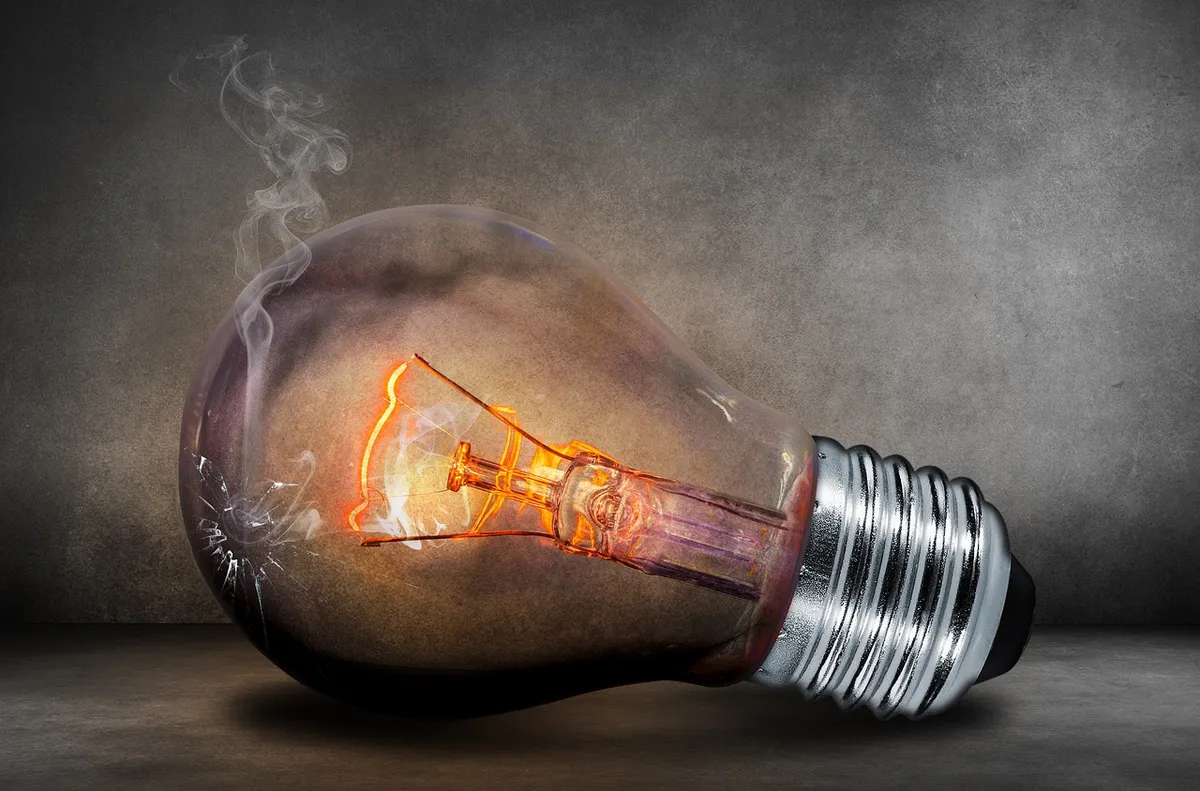
One common failure mode is the degradation of efficiency due to the materials used. For example, if the phosphor aging or re-absorption is not accounted for, the light output will drop over time.
Another factor is the mismatch between the light's wavelength and the intended application's requirements.
Failure to account for the 10% to 30% loss from re-absorption in the chip or packaging can lead to unexpected dimness in a finished product. This is a common pitfall when designers assume the theoretical output of a chip will translate perfectly to the final fixture.
How to choose light for specific applications?
A designer sketches a layout, deciding where to place individual light sources to create the perfect ambiance. Following a structured approach helps in making an informed decision.
- Evaluate the required luminous efficacy based on the target color and human eye sensitivity. 2. Calculate the expected loss from internal optical re-absorption to determine the necessary input power. 3. Select a package size, such as through-hole or surface mount, that fits the physical constraints of the mounting surface.
After selecting the components, perform a final check to ensure the brightness levels match the application's needs.
- Assess the ambient light levels of the environment.
- Identify the required color temperature and color rendering index.
- Select the appropriate brightness levels for the task.
How can you avoid lighting mistakes in professional setups?
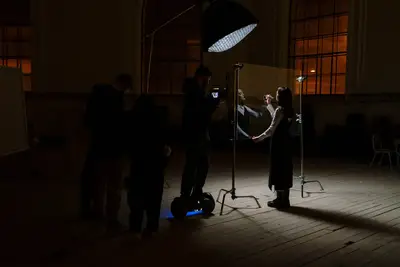
A photographer adjusts the intensity of a single bulb, trying to balance the shadows on a subject's face. Avoiding these errors is a key part of a lighting for photography guide.
To avoid mistakes, one must account for the inherent losses in the packaging and the chip itself. If the design does not compensate for the 10% to 30% loss from re-absorption, the final illumination may be insufficient.
Additionally, always consider the specific wavelength of the light, as the eye's sensitivity to yellow can make a light appear much brighter than a blue-heavy source.
A limitation of these calculations is that they depend on the specific phosphor efficiency, such as the 10% Stokes shift loss limit noted for YAG phosphor in 2010.
Related
- Film lighting role and tips: How to use film lighting best
- Night photo shooting tips: Guide to low light environments
When is the difference between perceived and actual brightness most apparent?
When the difference between perceived and actual brightness is significant, it often relates to the spectral composition of the light source. The human eye's differential sensitivity to colors, as described by the luminosity function, means that a light source with a high proportion of yellow phosphor will appear much brighter than a source with the same total luminous flux but a blue-heavy spectrum. This perception gap requires careful consideration during the initial evaluation phase.
What conditions necessitate a detailed analysis of optical losses?
A detailed analysis of optical losses becomes necessary when the intended application demands high photometric accuracy. If the system relies on the theoretical output of the chip, the unaccounted-for 10% to 30% loss from re-absorption in the packaging will cause the final fixture to underperform its design specifications. Designers must compensate for this known physical limitation.
The comparison between the material efficiency and the human perception of light highlights a critical design trade-off.
While a material might possess high luminous efficacy, if its spectral output does not align with the eye's peak sensitivity, the resulting perceived brightness will be lower than expected. This interplay dictates the final selection criteria.
Understanding the difference between the raw electrical output and the final delivered light stream requires tracking losses at every stage.
The degradation of efficiency over time, stemming from phosphor aging, further complicates the initial assessment of the light source's longevity and consistent performance.
Wikipedia: Reliability engineering Based on the retained excerpt mentioning National Aeronautics and Space Administration: NASA GSFC 431-REF-000370 Flight Assurance Procedure: Performing a Failure Mode and Effects Analysis, National Aeronautics and Space Administration Goddard Space Flight Center (10 August 1996).




Comments 0