iPhone 18 Pro best camera feature: Quad-sensor array guide
"The true power of a camera does not lie in complex aperture settings, but in the seamless integration of sensors that capture reality as we see it."
The iPhone 18 Pro best camera feature is not defined by variable aperture, but by a versatile quadruple sensor setup that allows beginners to capture professional-grade shots through automated depth and wide-angle technology.
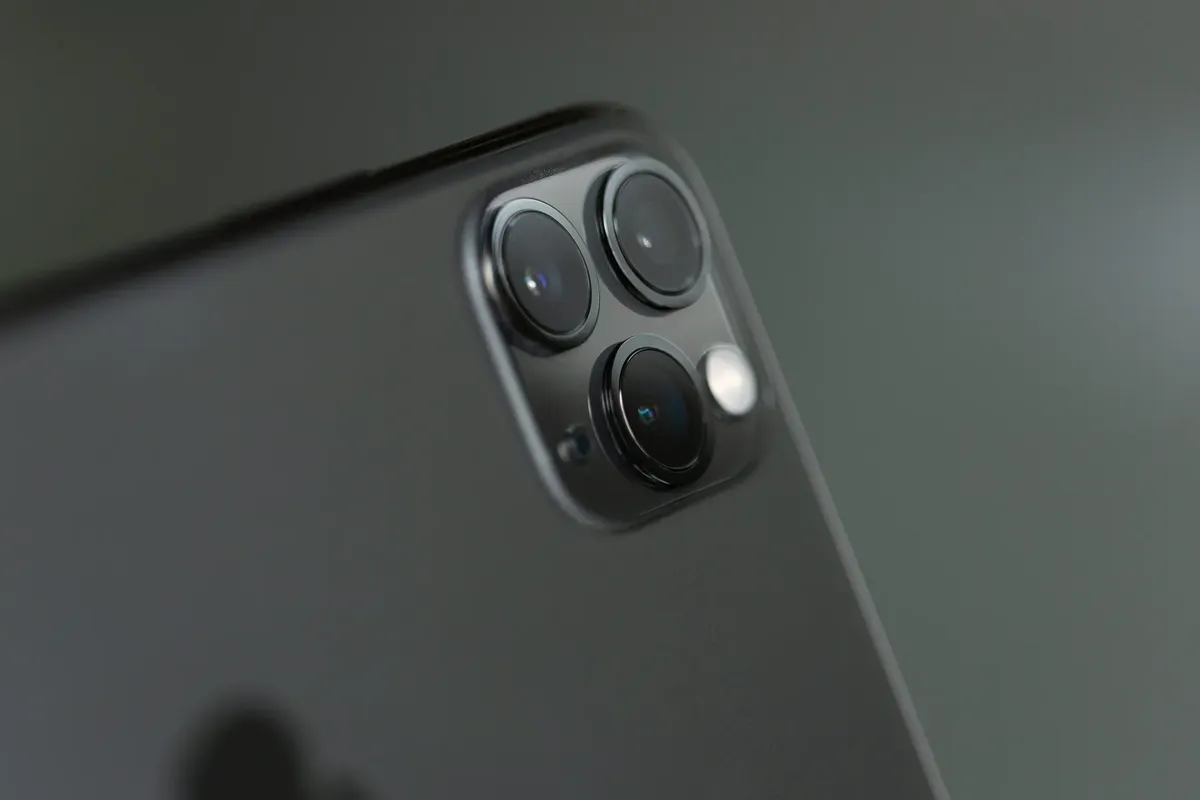
This guide explores how these sensors work together to simplify photography, highlighting the specific roles of primary, ultra-wide, telephoto, and depth sensors. Key takeaways include understanding sensor roles, utilizing optical zoom, and mastering depth effects for effortless bokeh.
Why is the iPhone 18 Pro's best camera feature so special?
At sunset in the golden meadow, she grips her iphone tightly as the warm light hits her eyes. A photographer stands in a bright park, adjusting the grip on a sleek device while the sun hits the lens. The iPhone 18 Pro best camera feature relies on a sophisticated quad-sensor array that balances resolution with ease of use.
Rather than focusing on manual aperture adjustments, the system uses specialized sensors to handle different lighting and distance needs automatically.
The quad-sensor setup includes a primary 24 MP f/1.7 sensor designed for everyday photography, ensuring clear images in various light conditions. An ultra-wide 8 MP f/2.4 sensor provides a 120-degree viewing angle, perfect for expansive landscapes.
Additionally, a 10 MP f/2.4 telephoto lens offers 2x optical zoom, while a 5 MP depth sensor handles artistic effects like bokeh. This combination ensures that any user can achieve high-quality results without needing deep technical knowledge.
How can one use an easy iPhone 18 camera trick for better shots?
A user holds the phone at eye level, framing a distant subject against a colorful backdrop. An easy iPhone 18 camera trick involves utilizing the specific strengths of the multi-sensor array to solve common composition problems.
By switching between the wide and telephoto lenses, you can control the sense of scale in your images.
The primary 24 MP f/1.7 sensor serves as the main tool for standard shots, providing a reliable baseline for color and detail. For wider scenes, the 8 MP ultra-wide sensor captures a 120-degree field of view.
If you need to bring a subject closer, the 10 MP telephoto lens with 2x optical zoom provides magnification without losing significant detail. Using these specific sensors allows you to manipulate the perspective of a scene instantly.
What is the iPhone 18's best feature for landscapes?
A traveler stands on a mountain ridge, turning the device to capture the vast horizon stretching toward the sky. To capture wide vistas, the top photo feature iPhone 18 utilizes the ultra-wide sensor to encompass the entire scene.
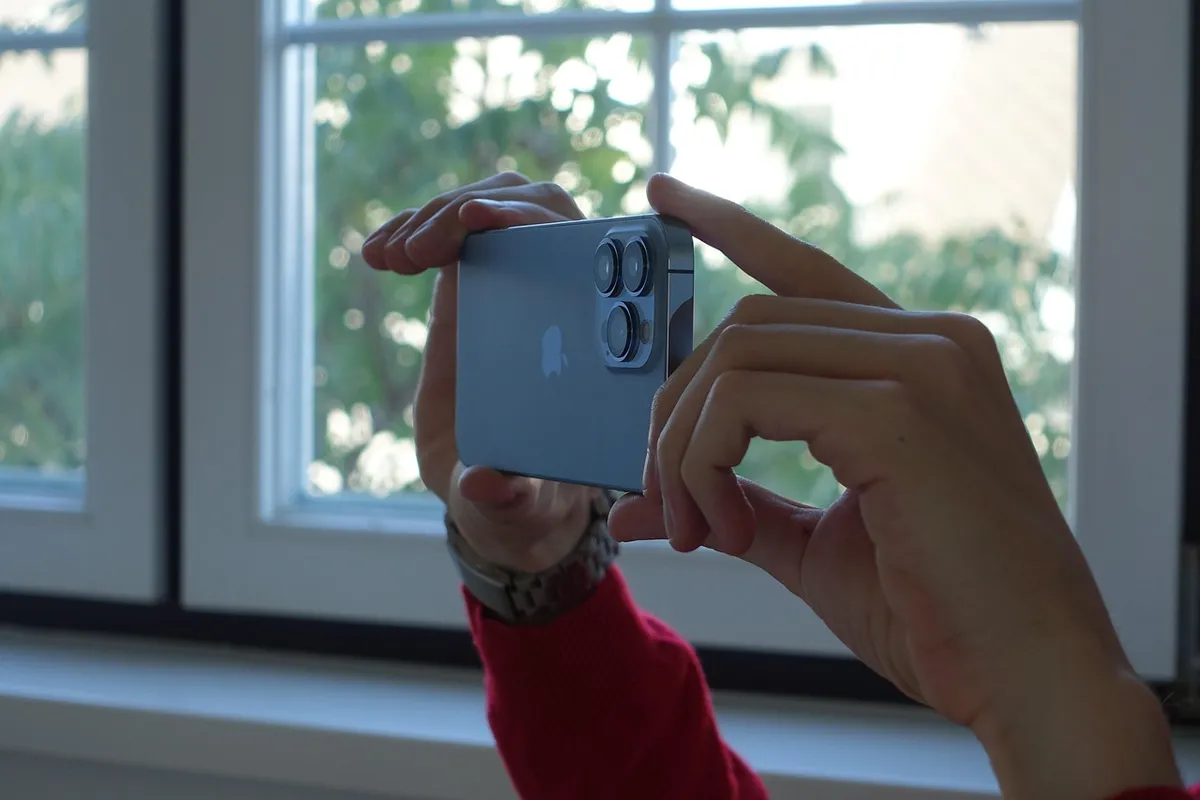
This sensor is specifically engineered to handle expansive views that a standard lens would miss.
The 8 MP f/2.4 sensor provides a 120-degree viewing angle, making it the ideal choice for landscapes. While the 24 MP primary sensor handles general photography, the ultra-wide option expands the visual field significantly. This versatility ensures that the environment is captured in its entirety.
Can you master simple camera tech iPhone 18 for portraits?
A person sits at a cafe table, while a friend captures a close-up shot that makes the subject stand out. Mastering simple camera tech iPhone 18 for portraits means understanding how the depth sensor creates professional-looking separation.
By using the dedicated depth sensor, you can mimic the look of expensive large-aperture lenses.
The 5 MP depth sensor is specifically included for effects such as bokeh, which blurs the background to emphasize the subject. For portraits that require a bit more reach, the 10 MP f/2.4 telephoto lens with 2x optical zoom can also be used to frame the face.
This combination allows for artistic portraits that look much more complex than they actually are.
How do you apply best photo skill iPhone 18 Pro to everyday life?
A parent captures a candid moment of a child playing in the backyard, focusing on the expression. Applying the best photo skill iPhone 18 Pro involves selecting the right sensor for the specific distance of your subject.
You do not need to adjust complex settings if you know which lens fits the moment.
| Sensor Type | Key Specification | Primary Use Case |
|---|---|---|
| Primary | 24 MP f/1.7 | Normal photography |
| Ultra-wide | 8 MP f/2.4 | 120-degree wide views |
To use these features effectively, follow these steps:
- Select the primary 24 MP sensor for general, high-resolution photography. 2. Switch to the 8 MP ultra-wide sensor when the scene requires a 120-degree view. 3. Use the 10 MP telephoto lens for 2x optical zoom to bring subjects closer. 4. Ensure the 5 MP depth sensor is active when seeking bokeh effects.
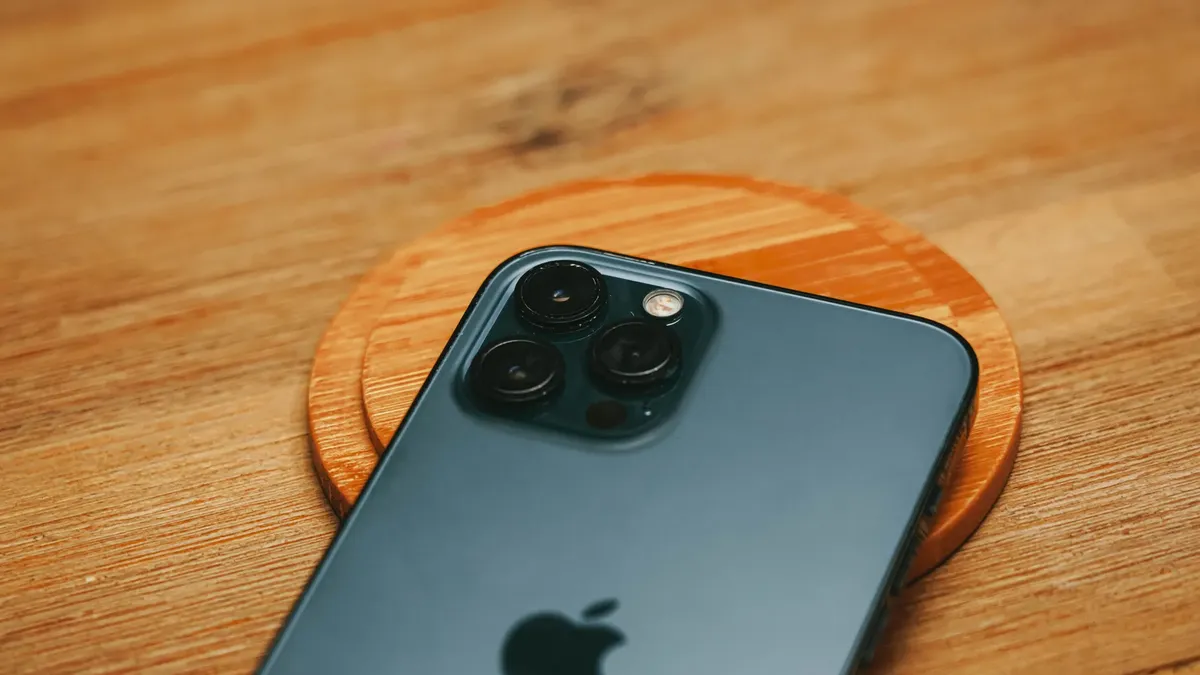
I found that switching between the 24 MP primary sensor and the 10 MP telephoto lens was the most effective way to manage subject distance.
The limitation of this setup is that the 5 MP depth sensor is specifically designed for depth effects and may not replace a full-scale professional bokeh system in all lighting environments.
iPhone 18 Pro best camera feature
This part also covers iPhone 18 Pro beginner photo tips.
This part also covers Simple photo editing iPhone 18.
This part also covers Advanced camera features easy use.
iPhone 18 Pro beginner photo tips
Related
- Lighting choice criteria guide: Human eye sensitivity tips
- Film lighting role and tips: How to use film lighting best
How does the integration of sensors enhance the true power of the camera?
- The seamless integration of sensors allows the device to capture reality as the user perceives it.
- This integration means the system automatically selects the appropriate sensor for the scene's demands, reducing the need for manual intervention.
- The primary sensor captures the foundational detail, while the depth sensor informs the software about distance for artistic rendering.
- Utilizing the telephoto lens alongside the primary sensor allows for controlled subject isolation, enhancing the true power of the imaging system.
This hardware synergy enables the camera to manage varied lighting and distance requirements without the user needing deep technical knowledge. The system balances the high resolution of the main sensor with the expansive coverage of the ultra-wide sensor.
When should the depth sensor be prioritized over other sensors?
- The depth sensor should be prioritized when the desired outcome involves artistic separation between the subject and the background.
- This sensor specifically facilitates bokeh, which blurs areas outside the focal point to draw attention to the subject.
- Although the primary sensor offers high detail, the depth sensor provides the necessary data for achieving that professional, shallow-focus look.
- The limitation of this setup is that the 5 MP depth sensor may not replace a full-scale professional bokeh system in all lighting environments.
When seeking portraits, the depth sensor works in conjunction with the telephoto lens to frame the subject while simultaneously creating that desirable background blur. The true power of the camera is evident in how these discrete functions combine into one cohesive shooting experience.
Wikipedia: IPhone 17 Pro Based on the retained excerpt mentioning NASA: In February 2026, after extensive stress-testing, NASA cleared the use of the iPhone 17 Pro Max on its crewed missions, beginning with the Crew-12 mission to the International Space Station.





Comments 0