Night lighting guide 90 best tips for photos
"The low-light conditions night photographers work in require specialized techniques to achieve proper exposure."
* Use long exposures ranging from seconds to days. * Increase ISO sensitivity for handheld work. * Apply artificial lighting to enhance subjects. * Utilize split lighting for directional shadows.
How to use light at night?
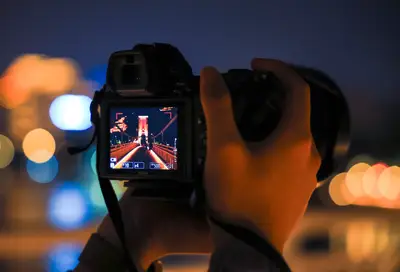
A photographer stands on a dark street corner, adjusting a tripod as the city hums in the background. To capture the scene, one must decide between relying on ambient moonlight or introducing controlled artificial lighting.
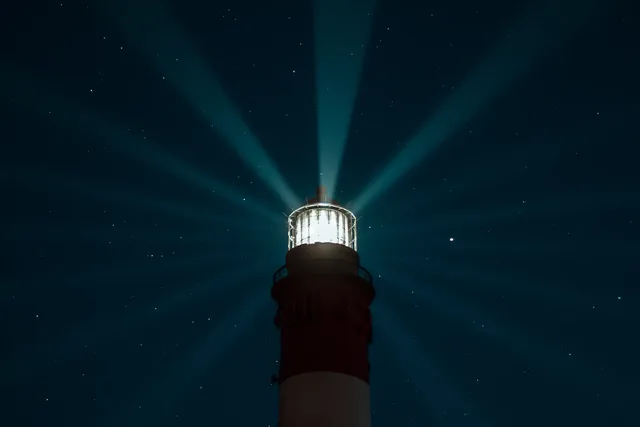
The low-light conditions night photographers work in require specialized techniques to achieve proper exposure, including long exposures—ranging from several seconds to days—higher ISO sensitivity, or artificial lighting.
Modern developments have increased night photography's accessibility to broader practitioner communities. These advancements enable new approaches including high-ISO handheld work, light painting, and digitally composited imagery.
This flexibility allows for creative experimentation even without heavy equipment.
What's the best light for my night photos?
A flashlight beam cuts through the darkness, illuminating a specific texture on a stone wall. Choosing night lights requires understanding how different light sources interact with your sensor and your subject.
The choice often depends on whether you are capturing celestial bodies or terrestrial subjects. For celestial work, long exposures are essential, whereas terrestrial subjects might benefit from the added control of artificial sources.
| Light Type | Primary Use Case |
|---|---|
| Artificial Lighting | Subject enhancement |
| High-ISO Handheld | Mobile accessibility |
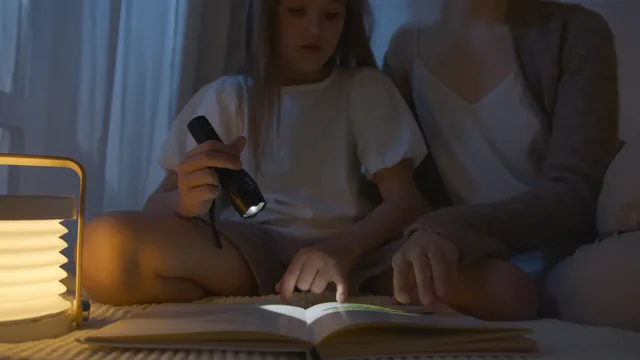
I found that adjusting my ISO sensitivity changed the entire texture of the shadows in my recent evening session.
How intense should my light be in dark settings?
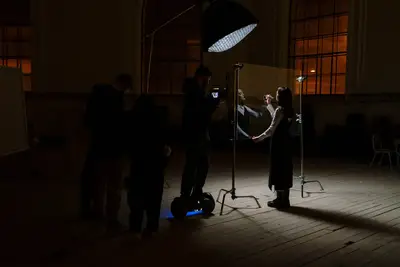
A bright LED lamp sits on a tripod, casting a sharp glow across a dark studio. Managing light strength and angle guide helps prevent overexposure while maintaining enough detail to see the subject.
When working with artificial sources, the intensity must be calibrated against the camera's sensor sensitivity. Too much light can wash out details, while too little results in heavy noise.
The International Commission on Illumination (CIE) is an international authority and standard defining organization on color and lighting. Using standard-compliant lighting can help ensure color accuracy.
Directional light in night photography?
A single light source is positioned to the side of a person, casting a dramatic shadow across half of their face. This method, known as split lighting, creates a specific mood through contrast.
Split lighting involves placing the main light off to the side of the subject at about 90 degrees. This light should be positioned at face height or slightly above to create the desired effect.
This technique is particularly useful for portraits where the photographer wants to emphasize shape and depth. By controlling the angle, the practitioner dictates exactly where the shadows fall.
Night lighting guide steps
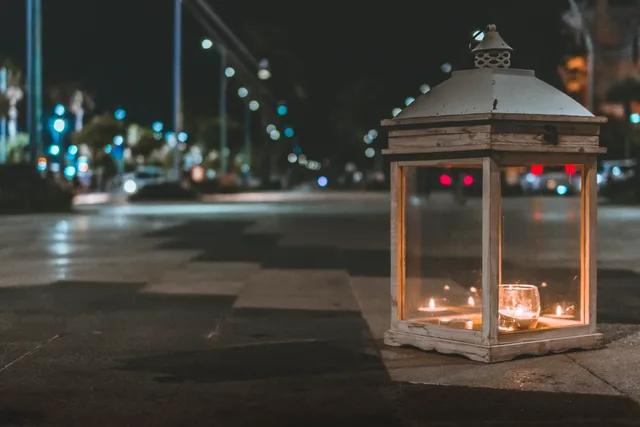
A photographer prepares a gear bag, checking the battery levels and the stability of the tripod before the sun sets. Following a structured approach ensures the equipment is ready for the specific challenges of dark environments.
- Set up a stable tripod to accommodate long exposure times. 2. Adjust ISO sensitivity to match the available ambient light. 3. Position artificial light sources at the desired angle or height.
Perform a test shot to check for motion blur or excessive noise before committing to a long exposure.
Important considerations
A person walks through a brightly lit urban plaza, squinting against the glare of high-blue content street lamps. Even in technical pursuits, the environment and human impact must be considered.
According to The American Medical Association, the organization issued a warning in 2012 that extended exposure to light at night increases the risk of some cancers.
The American Medical Association in 2012 issued a warning that extended exposure to light at night increases the risk of some cancers. This serves as a reminder to balance technical needs with personal safety.
One limitation is that high blue content white LEDs in street lighting may have a higher impact on human health and the environment compared to low blue content light sources.
- Selecting the right light for night photography involves balancing artificial light sources with technical settings like ISO and exposure duration.
- This guide helps practitioners manage light strength and angle through methods like light painting or split lighting while considering the health implications of extended light exposure.
- These techniques allow for clarity in environments where natural light is nearly non-existent.
The subject here is Night lighting guide.
The same subject is also called Low light setup tips.
The same subject is also called Light intensity for dark.
Related
- Night photography safety tips: Guide to high ISO sensitivity
- iPhone 18 Pro best camera feature: Quad-sensor array guide
How does light interact with the sensor during night conditions?
- The sensor gathers photons from the light source, whether it is ambient moonlight or controlled artificial light. 2. The ISO setting determines the sensor's sensitivity to these incoming photons. 3. Long exposures allow the sensor a longer time to collect light, effectively compensating for weak light conditions. 4. Artificial lighting provides a predictable intensity that helps control the overall data captured by the sensor.
When comparing the impact of different light types, terrestrial subjects benefit from the added control offered by artificial sources, allowing the practitioner to sculpt the scene. Celestial bodies, conversely, demand the patience afforded by extended exposure durations to register faint light.
What are the cautions when using artificial light?
- Practitioners must calibrate the intensity of artificial sources against the camera's sensor capability. 2. An excessive amount of light risks washing out subject details, which is a critical caution. 3. Insufficient light, even with artificial aids, can lead to pronounced image noise. 4. Furthermore, the health implications of extended light exposure must always be kept in mind when managing light in night conditions.
The CIE provides a standard for color and lighting, meaning using compliant lighting helps maintain color fidelity during the shoot. This adherence to standards is a procedural step that supports the overall quality of the captured image.





Comments 0