Home Cinema 10% Guide Video lighting selection guide
"The right light does more than illuminate a subject; it defines the visual reality of the scene."
Choosing the right lighting requires balancing brightness levels, color accuracy, and the specific technical requirements of the display or filming environment. This guide covers brightness standards for HDR, color gamut advantages, and practical setup tips for professional and home environments.
How to achieve the best video lighting selection guide?
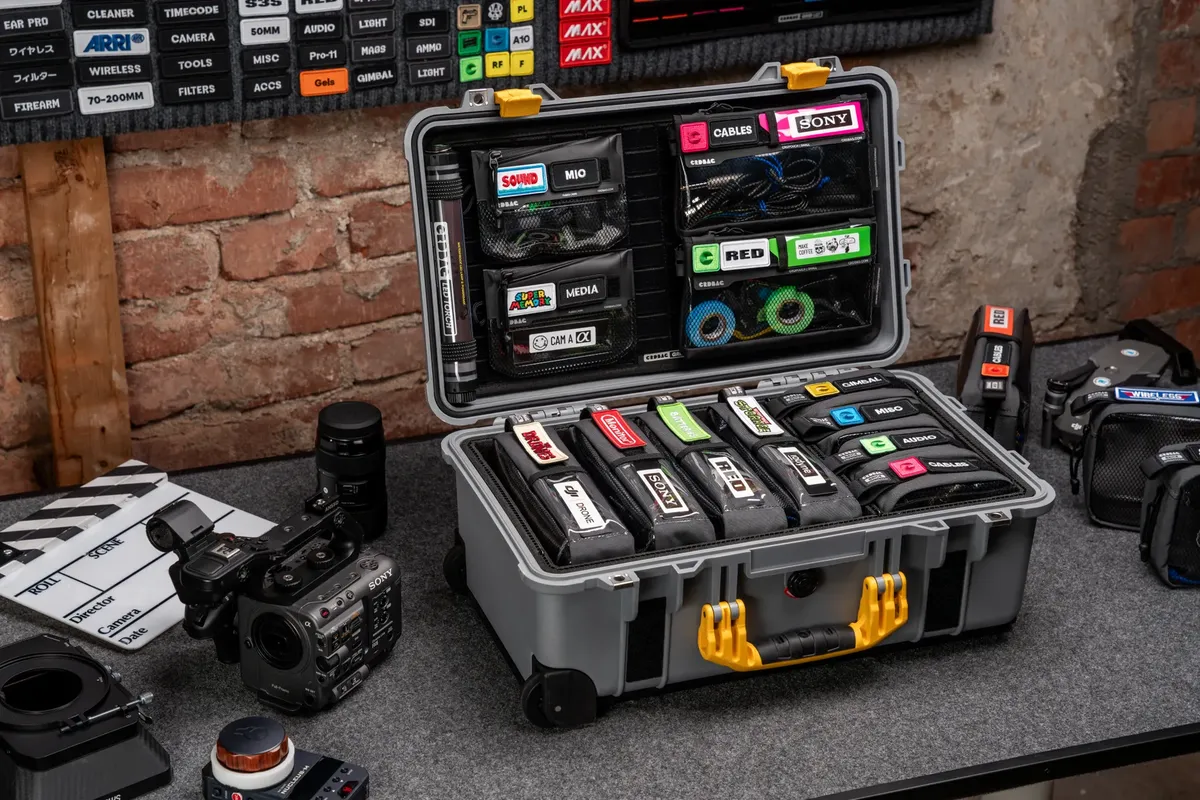
An operator adjusts a dimmer knob on a studio light to find the perfect balance between shadow and highlight. Achieving a professional look often depends on managing the intensity of ambient or bias lighting to prevent eye strain or visual interference.
Proper brightness is critical when setting up a workspace or home cinema. For HDR content, there is an ongoing debate regarding the ideal brightness levels for bias lighting.
According to SMPTE, a recommendation of 4.5 nits is suggested, while the Imaging Science Foundation suggests 10%, with some instances reaching as high as 15%.
Technical accuracy in these settings ensures that the viewer perceives the intended contrast. Using these specific brightness levels helps maintain the integrity of the high dynamic range without washing out the screen.
Why should I use RGB LEDs for color?
A technician swaps a standard white bulb for a specialized RGB LED to expand the visual range of a studio setup. Color depth is a fundamental pillar of professional video production, influencing how colors appear on screen.
Using RGB LEDs can significantly impact the visual output, as they can raise the color gamut by as much as 45%. This expanded range allows for more vibrant and accurate color reproduction during the filming process.
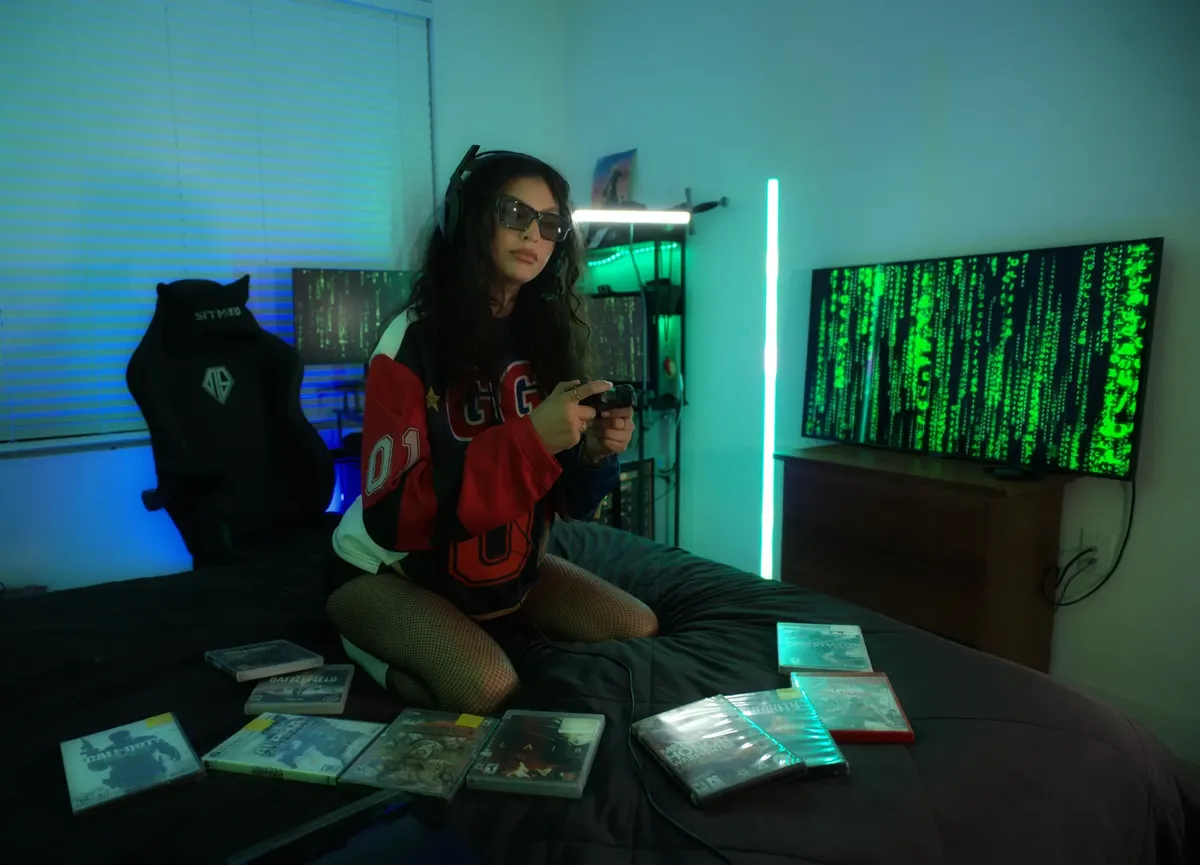
When choosing equipment, understanding this capability helps in selecting lights that can match the specific needs of a scene. This level of color control is essential for high-end production work.
How to choose video lights for home cinema environments?
A viewer sits in a darkened room, adjusting the backlight behind a large television to match the screen's intensity. Setting up lighting in a residential space requires a different approach than a professional studio to ensure comfort.
In home cinema setups, specific guidelines help maintain the immersion of the viewing experience. It is recommended that bias lighting be no brighter than 10% of the display's brightest spot.
Additionally, maintaining a color rendering index of at least 90 is advised for these setups. This ensures that the light does not distort the colors being displayed on the screen.
How can I get the best lighting in the field?
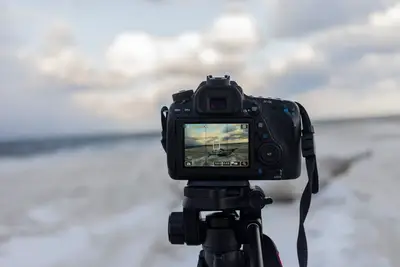
A camera operator adjusts a tripod-mounted hard camera, checking the lens magnification before a long-form interview begins. Field production often involves much more complex variables than a controlled studio environment.
In professional field production, equipment like zoom lenses for tripod-mounted "hard" cameras often requires at least 50× to 100× magnification and a maximum focal length of at least 600mm. Managing light in these scenarios often involves working around natural light or portable kits.
Long-form content, such as interviews that last from 30 minutes to three hours, requires consistent lighting that does not change as the sun moves. This consistency is vital for maintaining a professional look throughout the duration of the shoot.
What are the effective video light setup steps for interviews?
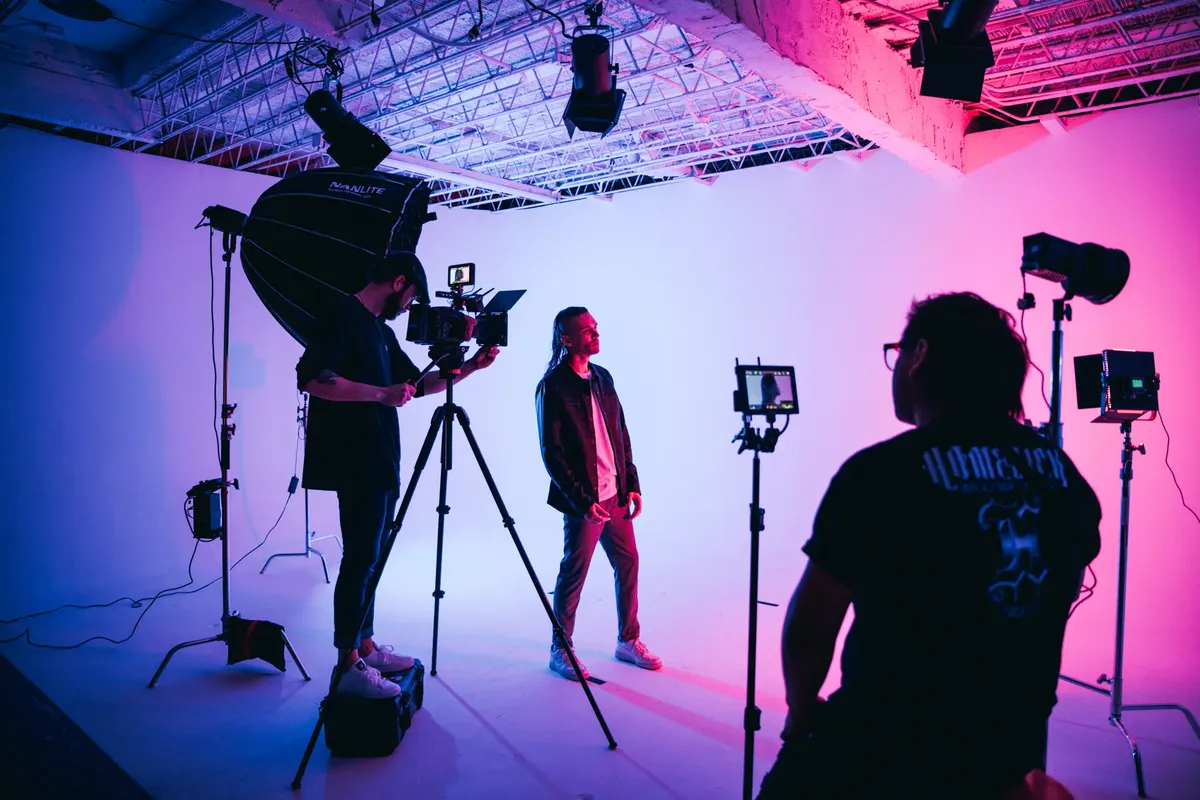
A producer reviews a shot of a subject sitting for an interview, ensuring the light hits the face at the correct angle. When preparing for an interview-driven segment, following a structured approach helps ensure repeatable results.
- Assess the ambient light to determine the necessary brightness of your primary sources. 2. Select light sources with high color accuracy to match the subject's skin tones. 3. Adjust the bias lighting to ensure it does not exceed the brightness of the primary display.
I remember checking the color rendering index on a new bulb during a setup to ensure it met the minimum requirements for our subject. This verification step prevents color shifts during the edit.
A limitation of these brightness standards is that they are subject to debate among different technical organizations, such as the differing recommendations between SMPTE and the Imaging Science Foundation.
The subject here is Video lighting selection guide.
The same subject is also called Best video lighting tips.
The same subject is also called Video lighting standards.
This part also covers Lighting for video shoots cases.
This part also covers Criteria for video illumination.
This part also covers Practical video light examples.
Lighting for video shoots cases
Related
- Energy savings guide: Large camera lighting guide for shoots
- Path based landscape shooting why movement helps capture
How does the right light affect color gamut expansion?
Using RGB LEDs allows a technician to expand the visual range of a studio setup, which directly relates to color gamut. The expansion of this range, which can reach as much as 45%, permits more vibrant and accurate color reproduction during the filming process. This improved color fidelity is a direct result of the specific capabilities of the chosen light source.
When should brightness levels be prioritized over color accuracy?
Brightness levels must be prioritized when the primary concern is preventing eye strain in a viewing environment. In home cinema setups, for instance, the bias lighting should not exceed 10% of the display's brightest spot, regardless of the potential color accuracy benefits of a brighter light.
Maintaining the right light throughout a long-form interview is a procedural necessity. A camera operator must ensure the illumination remains consistent as the sun moves, which is a condition vital for preserving the professional look across the entire duration of the shoot.
What considerations influence the right light in field production?
- Field production involves variables that are more complex than a controlled studio environment.
- A camera operator must manage light while working around natural light or portable kits.
- The consistency of the right light is vital for maintaining a professional look throughout the duration of the shoot.
This consistency is necessary especially for long-form content, such as interviews spanning from thirty minutes to three hours.
How does color accuracy relate to the right light in interviews?
- Selecting light sources with high color accuracy is a step in preparing for an interview-driven segment.
- This selection helps ensure that the light matches the subject's skin tones correctly.
- Checking the color rendering index on a new bulb prevents color shifts during the edit.
This verification step is a procedure taken to meet the minimum requirements for the subject's appearance under the right light.
The right light defines the visual reality of the scene, meaning its quality dictates how the audience perceives the image presented to them.





Comments 0