Night photo lighting guide: Guide to high ISO 90
"Low-light conditions require specialized techniques to achieve proper exposure, including long exposures, higher ISO sensitivity, or artificial lighting."
Successful night photography hinges on managing limited light through specific exposure settings or intentional illumination. This guide covers various light sources, exposure techniques, and creative methods like light painting to help you capture clear images in the dark.
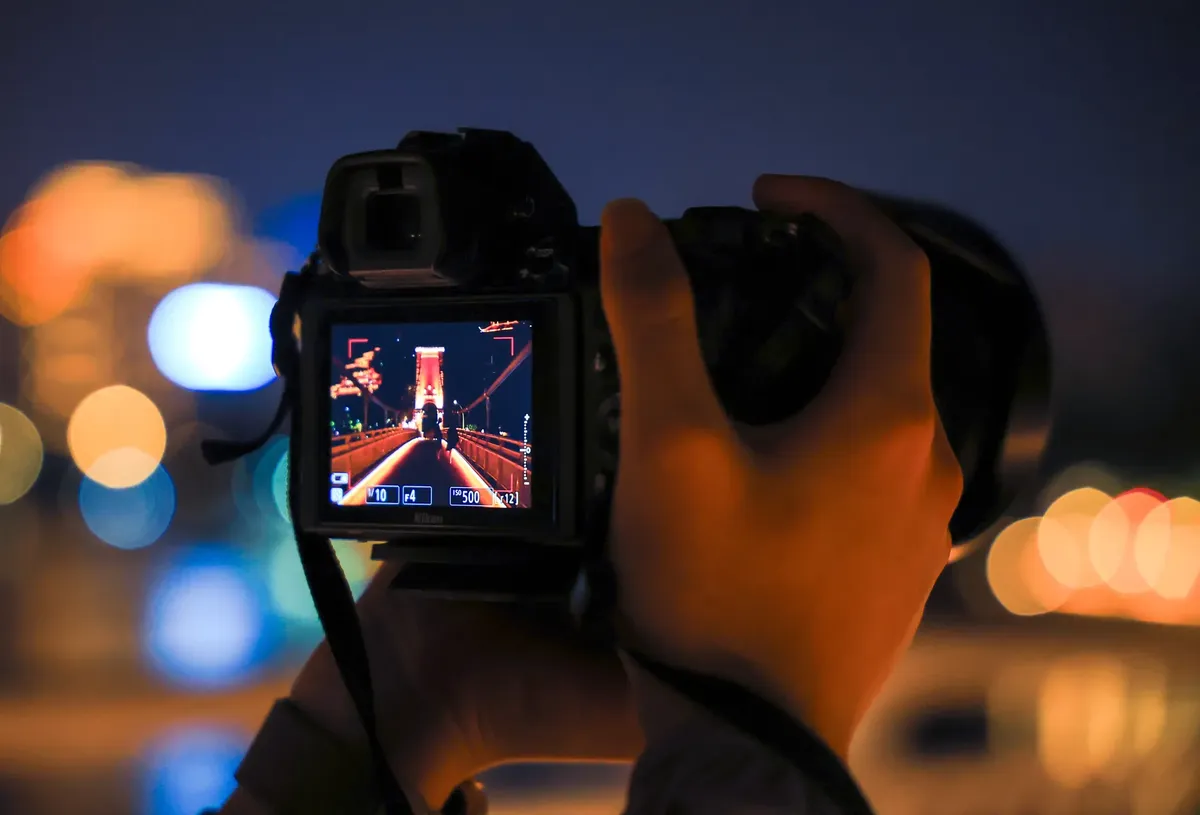
Key takeaways: * Understand the relationship between long exposures and artificial lighting. * Master technical adjustments like ISO and shutter speed for low-light environments. * Explore creative techniques such as split lighting and light painting.
How do you manage low-light conditions?
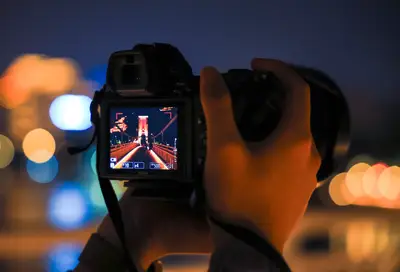
A photographer stands in a dark alley, adjusting the tripod to ensure a steady frame before pressing the shutter. Managing the dark requires specific technical choices to ensure the subject is visible without losing detail to noise or motion blur.
To achieve proper exposure in low light, photographers often use long exposures that can range from several seconds to several days. According to technical standards, you might also rely on higher ISO sensitivity or the use of artificial lighting to pull detail from the shadows.
These methods allow for varied artistic results depending on the desired mood.
- Increase your ISO to boost sensitivity.
- Open your aperture to allow more light in.
- Slow down your shutter speed to capture longer exposures.
What are the benefits of different light sources? Night photo lighting guide
A hand holds a small flashlight, casting a narrow beam across a textured surface to create dramatic shadows. Using different light sources allows a photographer to define shapes and depth in an otherwise black environment.
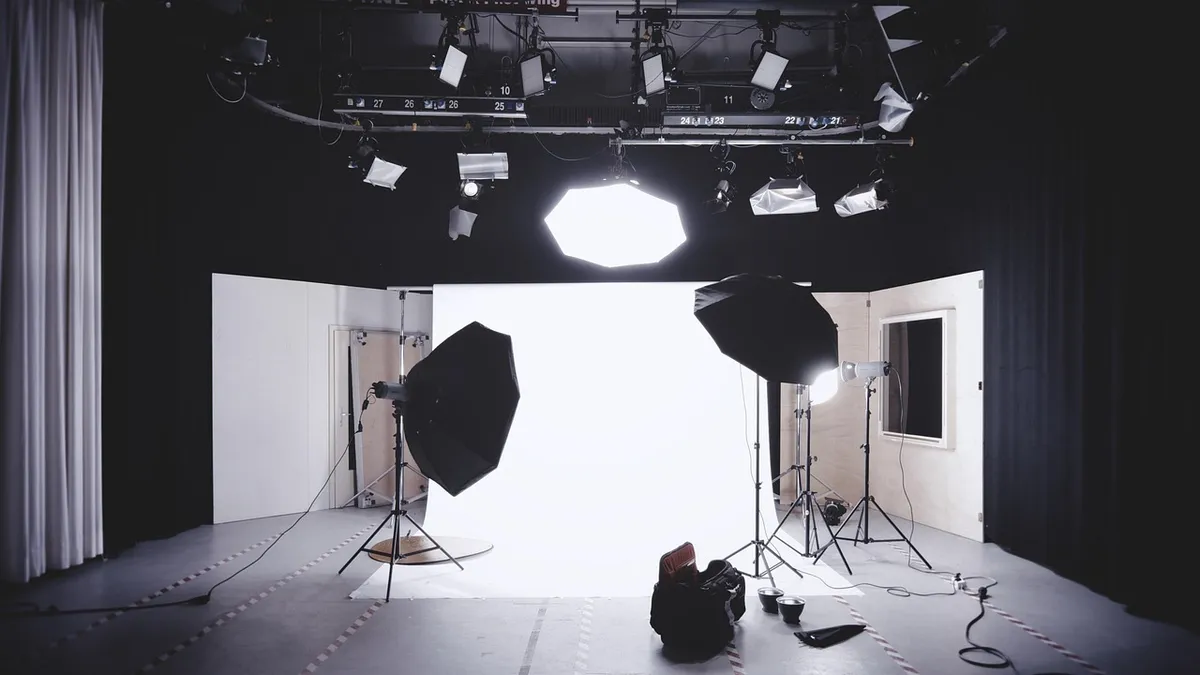
Modern developments in photography have increased accessibility, enabling new approaches such as high-ISO handheld work and light painting.
These techniques allow practitioners to work without heavy equipment in some scenarios, while others use digitally composited imagery to combine multiple light sources. Choosing between these methods depends on whether you want to capture natural night atmosphere or create a controlled scene.
In this sequence, the second point is the most detailed.
How can you use split lighting for portraits?
A subject sits still as a single light source illuminates one side of their face, leaving the other in deep shadow. This technique creates a striking contrast that can add mystery or drama to a nighttime portrait.
Split lighting is a specific technique where the main light is placed off to the side of the subject at about 90 degrees. The light is typically positioned at face height or slightly above to create a distinct division between light and shadow.
This method is effective for emphasizing textures and facial structures during night shoots.
Which techniques allow for more creative expression?
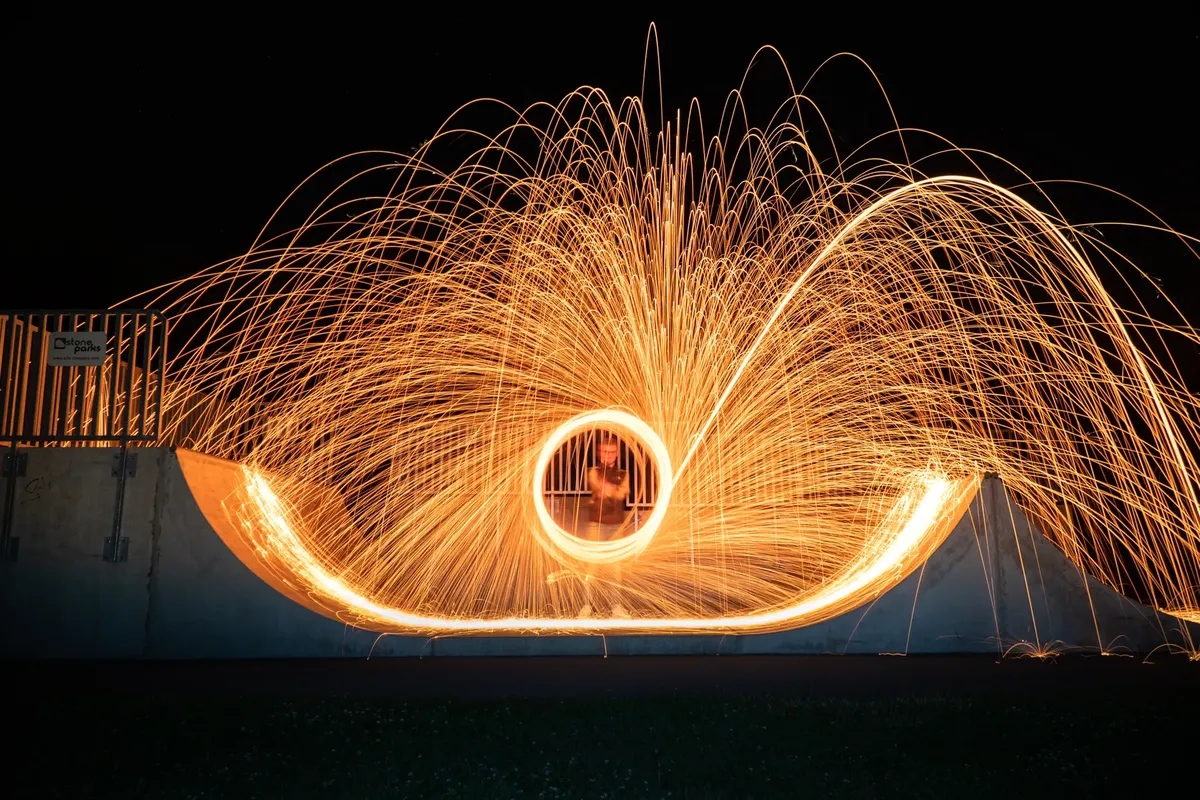
A person moves a glowing light wand through the air, creating streaks of color that linger in a long-exposure shot. Creative night photography often involves moving the light source rather than the camera to shape the environment.
Beyond standard exposure, light painting offers a way to "draw" with light during long shutter speeds. You can also use digital compositing to blend different lighting environments into a single cohesive image. These approaches transform the limitations of darkness into unique visual tools.
How do you apply these steps to a real shoot?
A photographer checks the weather and wind before setting up a tripod on a quiet street corner. Applying these techniques requires a systematic approach to balance light and motion.
- Select your primary exposure method, such as a long exposure on a tripod or a high-ISO handheld shot. 2. Set your lighting source, whether using ambient light, split lighting, or a mobile light-painting tool. 3. Perform a test shot to check the exposure levels and shadow detail. 4. Final check: Ensure the subject is sharp and the light intensity matches your artistic intent.
I once attempted a long exposure in a windy park, finding that even small vibrations required me to adjust my timing.
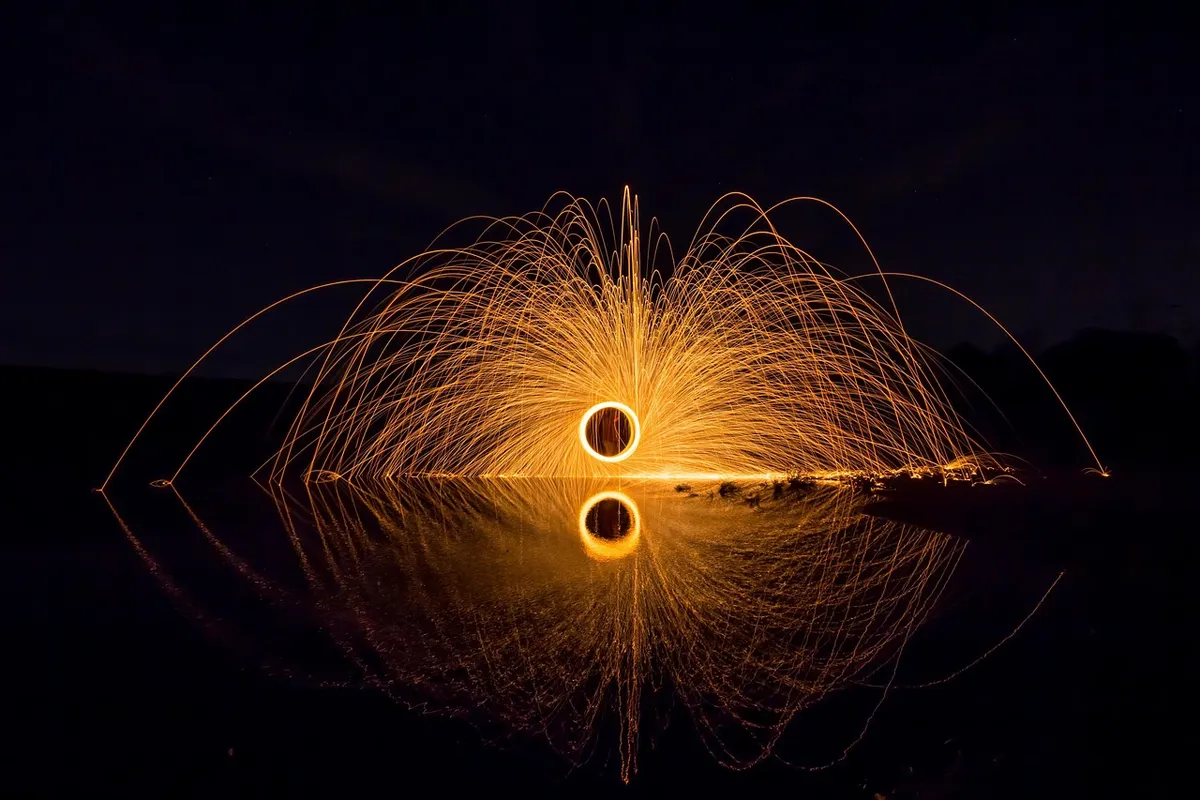
A limitation exists when using long exposures, as any movement during the exposure period can result in blurred subjects.
The subject here is Night photo lighting guide.
The same subject is also called Best night photo lights.
The same subject is also called Choosing night lighting.
The same subject is also called Night shot light types.
The same subject is also called How to light dark scenes.
This part also covers LED vs flash for night shots.
This part also covers Using ambient light at night.
This part also covers Creative night lighting effects.
LED vs flash for night shots
Related
- Photo ethics guide: 50 percent Respecting privacy in photos
- Sequential photography storytelling: Guide to narrative arc
When should you prioritize artificial lighting?
Artificial lighting becomes a necessary consideration when the ambient light in the low-light conditions is insufficient for the desired artistic outcome. This illumination allows the photographer to control the illumination precisely, which is a key advantage over relying solely on natural light. The introduction of artificial light permits the creation of controlled scenes, contrasting with capturing the natural atmosphere of the night.
How does ISO sensitivity affect the image quality in low-light conditions?
Higher ISO sensitivity allows the camera sensor to capture more light, which is helpful when light levels are low. However, increasing the ISO introduces digital noise into the image, which is a condition photographers must manage. The choice of ISO must balance the need for sufficient light capture against the potential for increased image noise.
When employing long exposures, the stability of the camera setup is paramount because any slight movement during the extended capture time will degrade the resulting image quality.
This caution applies regardless of whether you are using higher ISO sensitivity or relying on artificial light to supplement the scene.
Creative expression through light painting is a procedure that fundamentally alters how the photographer interacts with the low-light conditions. Instead of waiting for light, the photographer actively introduces it into the frame during the shutter's open period.
This active manipulation transforms the darkness into a medium for visual storytelling.
Wikipedia: Night photography (full) Based on the retained excerpt mentioning San Francisco Guild of the Arts: ISBN 1-55595-009-4 Zabrina Tipton – At Night in San Francisco, San Francisco Guild of the Arts, 2006.




Comments 0