Sequential photography storytelling: Guide to narrative arc
"A single image can capture a moment, but a sequence of images captures a journey."
Sequential photography storytelling requires a careful balance of visual continuity and emotional progression to guide a viewer through a narrative arc.
By mastering the relationship between individual frames and the collective sequence, creators can transform static shots into a cohesive visual story making process.
This guide covers the fundamental principles of composition, the importance of visual rhythm, and technical editing for photo stories to ensure your narrative remains impactful.
How does one begin visual story making?

At dawn in the quiet park, I grip my camera tightly while contemplating the first sequential step of my project.
A photographer stands in a quiet park, adjusting the lens to capture the transition from morning light to midday sun. To start a project, you must define the core emotional beat that connects your various shots into a single cohesive unit.
Establishing a clear subject or theme ensures that every subsequent frame serves a purpose within the larger narrative structure.
Effective visual story making begins with selecting a central motif or character that can anchor the viewer's attention across multiple shots. You should focus on capturing different perspectives of the same subject to provide depth and variety.
This initial phase sets the stage for the complexity of the unfolding sequence.
A well-planned photo project technique involves documenting the environment and the subject's interaction with it to build context. You must observe how light and shadow change over time to create a natural sense of progression.
This preparation allows for a more fluid transition between scenes during the editing phase.
What role does sequencing play in a photo sequence narrative?
As evening falls in the dim studio, I drag the prints across the desk to find a sequential rhythm that flows through the room.
An editor sits at a desk, dragging various frames into a timeline to see how they interact visually. A photo sequence narrative relies on the logical or emotional transition between one image and the next to maintain momentum.
Without this careful arrangement, a collection of photos remains a mere gallery rather than a purposeful story.
The relationships between shots are often categorized by how they relate to the whole story. For instance, a part-to-whole approach might involve showing a specific detail to represent a larger concept, where categorical subdivisions are measured as a ratio to the whole.
This technique helps in building tension or providing necessary context to a larger visual arc.
You can also use frequency distribution concepts to manage the pacing of your story, such as showing a specific type of observation at given intervals to create a rhythmic pattern. This helps in managing the viewer's expectations and prevents the story from feeling repetitive or stagnant.
How do you manage technical editing for photo stories?
A designer carefully adjusts the color grading of a series of shots to ensure they look like they belong in the same world. Technical editing for photo stories involves more than just color correction; it requires managing the visual weight and focus of each frame.
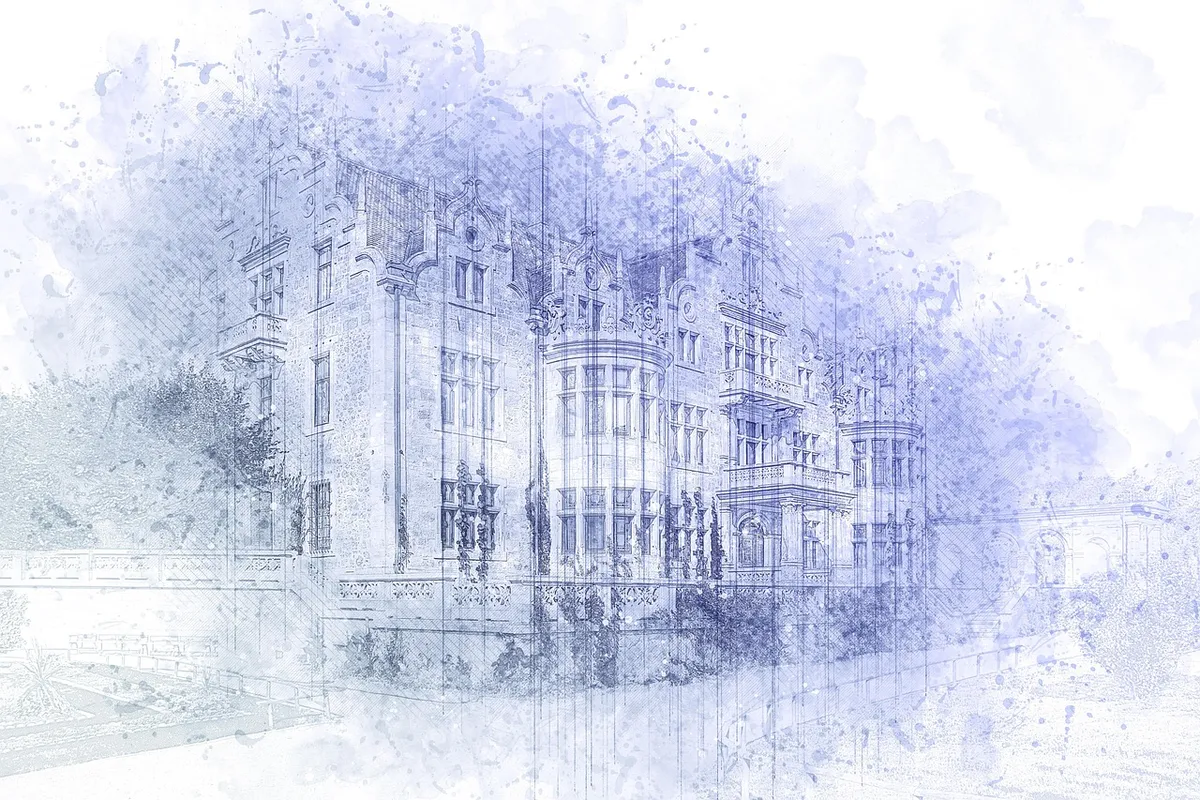
The goal is to create a seamless flow where the eye is led naturally from one image to the next.
When working on a project, follow these three essential steps to maintain narrative integrity:
- Establish a consistent color palette or tonal range across all selected frames to prevent jarring visual breaks. 2. Organize the sequence to balance wide environmental shots with tight, intimate detail shots to provide scale and emotion. 3. Perform a final check by viewing the entire sequence at a normal pace to ensure the temporal flow feels natural.
I found that checking the transitions between shots is the most critical part of the workflow to ensure the sequence does not lose its way. Refining the rhythm of the shots helps in maintaining the viewer's engagement throughout the entire visual journey.
Can data visualization principles improve visual storytelling?
A researcher looks at a complex chart, noticing how the visual arrangement makes the data immediately understandable. While photography is an art, certain principles of data visualization can enhance how a viewer processes a visual story.
According to Caltech and Art Center, Data to Discovery is a data visualization, art and design research initiative, based at NASA/JPL, Caltech and Art Center College of Design.
Using clear visual hierarchies can make complex narrative information easier to digest.
Studies have shown individuals used on average 19% less cognitive resources, and 4.5% better able to recall details when comparing data visualization with text. Applying these insights to photography means reducing visual clutter so the viewer can focus on the intended message.
This clarity ensures that the narrative is not lost in unnecessary technical complexity.
| Concept | Application in Photography |
|---|---|
| Part-to-whole | Using a detail to represent the entire scene |
| Frequency distribution | Managing the repetition of visual elements |
A limitation of applying these structured principles is that over-simplification might strip the emotional nuance from an artistic photograph.
How do we ensure the story remains cohesive?
A photographer reviews a printed contact sheet, looking for the subtle shifts in expression that tell a complete story. Maintaining a continuous shot story requires a deep understanding of visual continuity, such as matching the direction of movement or the position of subjects.
If these elements are ignored, the viewer may feel disconnected from the narrative.

One way to maintain cohesion is through the use of "match cuts" or visual rhymes, where a shape or line in one photo is echoed in the next. This creates a subconscious link that keeps the viewer moving through the sequence. It turns a series of snapshots into a professional-grade visual record.
Effective advanced photo sequencing also involves managing the "white space" or pauses between intense visual moments. Just as silence is important in music, the absence of heavy action in a photo sequence can provide the necessary breathing room for the viewer to process the story.
- How does one begin visual story making?
- What role does sequencing play in a photo sequence narrative?
- How do you manage technical editing for photo stories?
Sequential photography storytelling
The subject here is Sequential photography storytelling.
This part also covers Creating visual records.
Related








Comments 0