Photo ethics guide: 50 percent Respecting privacy in photos
"A camera captures a moment, but it also captures a person's identity, making the choice of when to press the shutter a matter of respect rather than just technique."
Navigating the intersection of art and privacy requires a clear understanding of consent and professional boundaries. This guide provides essential strategies for maintaining ethical standards, managing commercial rights, and respecting personal space during various types of shoots.
How to implement a photo ethics guide in professional settings?
At dawn in the quiet studio, she leans over the desk to review the new photo ethics guide while the scent of fresh ink fills the air.
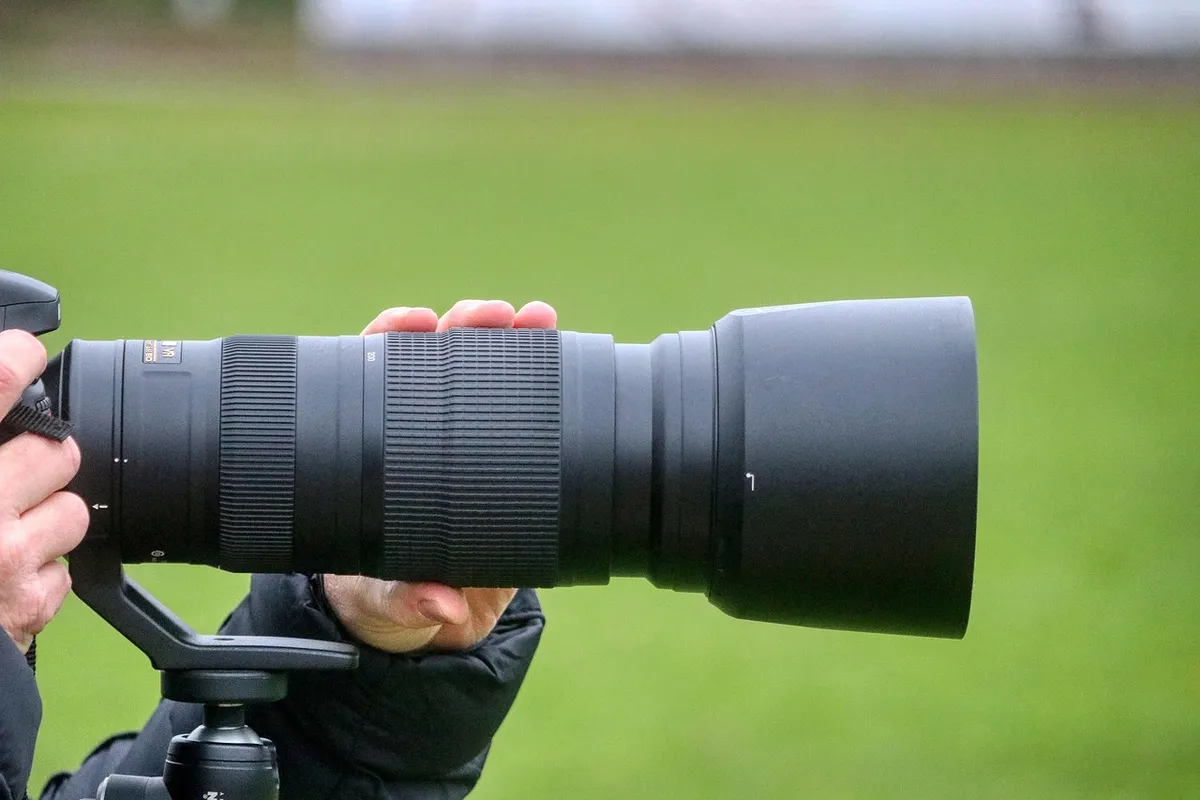
A photographer adjusts the lens focus while walking through a crowded studio space. Setting clear boundaries before the first shot is taken ensures that the subject feels safe and the intent remains transparent.
Developing a reliable photo ethics guide involves establishing a foundation of consent. In professional environments, this means discussing the intended use of images, such as whether they are for editorial or commercial purposes, before the session begins.
Respecting the subject's comfort level is the primary goal of any ethical framework.
When working with creative teams, understanding the history of image usage can provide context for modern standards. For instance, the Hulton Archive started as the photographic archive of Picture Post and became a known stock resource for newspapers and magazines.
This history illustrates how images transition from captured moments to public assets.
Professionalism requires managing the financial and legal aspects of photography. Adhering to established industry norms helps prevent disputes between creators and agencies.
- Define clear ethical boundaries for all team members.
- Integrate these standards into the standard operating procedures.
- Conduct regular review sessions to address new technological challenges.
What are the rules for taking pictures in commercial environments?
In the bright office, the manager points at a legal document while scanning a single photo.
A designer sits at a desk, scrolling through high-resolution images to find the perfect cover. They evaluate various options to ensure the visual meets the project's specific needs.
The rules for taking pictures often involve balancing creative vision with legal permissions. In commercial sectors, the focus shifts toward managing usage rights and ensuring that every person captured has provided the necessary releases.
This prevents legal complications when images are used for advertising or publishing.
Industry standards often dictate how much of the profit goes to the creator. The industry standard is purportedly 30 to 50 percent to the photographer, although at the start of the stock photography industry, fees were typically cut half and half between the agency and artist.
Understanding these historical shifts helps photographers negotiate more effectively in modern contracts.
When selecting images for specific projects, designers often look for pre-cleared content. According to The New York Times, as of 2005 "most" book cover designers prefer stock photography agencies over photographers in efforts to save costs.
This preference highlights the practical side of photography ethics, where convenience meets legal safety.
How to maintain respecting privacy in photos during street photography?
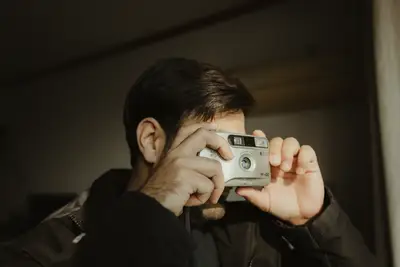
At dusk on the busy street, a man lowers his camera to hide the photo from a passing stranger.
A photographer stands on a busy street corner, observing the movement of the crowd. They must decide which candid moments are appropriate to capture without infringing on personal dignity.
Respecting privacy in photos requires a delicate balance between capturing reality and invading personal space. Street photographers often face the challenge of documenting life without exploiting the subjects.
Ethical practice suggests avoiding shots that are intrusive, humiliating, or taken in private settings where an expectation of privacy exists.
Effective street photography relies on social awareness. It is vital to recognize when a subject might feel uncomfortable and to be prepared to delete or refrain from using certain shots.
While the law and ethics do not always align perfectly, the goal should always be to honor the humanity of the person in the frame.
| Aspect | Historical Context | Modern Standard |
|---|---|---|
| Fee Distribution | Half and half between agency and artist | 30 to 50 percent to the photographer |
I once watched a professional photographer pause a shoot to ask for verbal consent after a candid moment was captured, which set a respectful tone for the rest of the day. This simple act of communication can prevent many misunderstandness.
What are the guidelines for photographing people in film productions?
A crew prepares the lighting for a large-scale set, ensuring every angle is covered. The complexity of the shoot requires strict adherence to pre-arranged schedules and permissions.
Guidelines for photographing people in film productions are often more structured due to the scale of the work. Because production involves many moving parts, consent and usage rights are typically handled through contracts.
This ensures that everyone involved knows how their likeness will be used in the final product.
The time required for production can vary significantly based on the project's scope.
In the USA, depending on the film project, a shooting time of 15 to 20, 40 to 50 or, for larger productions, 80 to 100 days is used as a basis for studio productions, although in other countries the shooting takes considerably longer.
These timelines reflect the intensive nature of professional photography and filming.
To manage a production ethically, follow these steps:
- Review all talent release forms to ensure legal coverage for every individual appearing on camera. 2. Brief the crew on privacy protocols to maintain a respectful environment on set. 3. Conduct a final check of the footage to ensure no unauthorized individuals are captured in the background.
A limitation of these guidelines is that they primarily apply to structured environments and may not fully address the complexities of spontaneous, unscripted human interactions.
The same subject is also called Ethical portrait photography.
The same subject is also called Social responsibility in shots.
This part also covers Protecting privacy when shooting.
This part also covers Moral standards for image making.
Related




Comments 0