Best photo sharing UX: Tips for managing digital library
"A platform is only as good as the experiences it allows users to share and preserve."
Effective photo sharing requires a balance of intuitive interface design and robust technical features that allow for high-quality visual storytelling.
This guide explores how platform evolution influences the digital experience, covering historical shifts in mobile operating systems, the impact of interface redesigns, and strategies for optimizing content management flow.
How did mobile platforms shape the early photo sharing experience?
At sunset, I gripped the plastic casing of my old phone and squinted at a blurry photo appearing on the tiny screen.

A user holds an early mobile device, scrolling through a grainy image sent via a primitive messaging service. The history of digital photography is deeply intertwined with the evolution of mobile operating systems that first enabled users to capture and send images.
Early mobile capabilities began with the release of the Nokia 7650, which featured the Symbian Series 60 (S60) platform and served as Nokia's first phone equipped with a camera and Multimedia Messaging Service (MMS).
This era established the groundwork for mobile photography by introducing the concept of capturing moments on the go.
The development of these platforms was often collaborative. The Symbian Foundation was formed to coordinate the future development of the Symbian platform among the corporations using it, much like the Open Handset Alliance did for Android.
This coordination aimed to standardize the user journey across different hardware.
Later, the landscape shifted toward touch-based interaction. Symbian^1, a touch-specific S60-based platform, was released on the Nokia 5800 XpressMusic, a device featuring a resistive screen and a stylus. This transition marked a move toward more tactile, user-focused photo app environments.
Early mobile platforms prioritized immediacy, allowing users to capture and distribute moments in real-time through simplified upload workflows.
How will a redesign affect my user engagement?
Late at night in my dim office, I clicked through the new layout and felt the smooth glide of the updated photo gallery.
A designer sits before a monitor, moving elements of a website to ensure a seamless transition between a gallery and a single image view. Redesigning a platform can fundamentally change how users interact with their own visual history.

In 2013, Flickr underwent a major redesign, which revitalized the photo-sharing platform. Such changes often focus on making the service more intuitive, ensuring that the interface does not distract from the visual content itself.
When a platform undergoes a transformation, it often aims at designing intuitive photo sharing processes that reduce friction. By streamlining how users upload, categorize, and view images, a service can remain relevant even as hardware evolves.
The goal of a successful redesign is to create a user-focused photo app environment where the community can thrive. This involves balancing technical stability with aesthetic improvements to keep the digital experience fresh.
A streamlined interface reduces friction, making it easier for users to interact with visual content and spend more time within the application.
How can we manage mobile photo sharing tips effectively?
A person stands in a park, carefully framing a shot of the sky on a smartphone. Managing a growing digital library requires understanding how different devices and operating systems handle data and user input.
Effective mobile photo sharing tips often involve understanding the specific constraints of your hardware. For instance, early smartphone evolutions like the release of iPhone OS 2 with the iPhone 3G made the Apple App Store available, drastically changing how third-party photo tools were utilized.
To maintain a high-quality digital photo sharing guide, users should consider the following steps:
- Organize content by metadata or specific themes to ensure easy retrieval. 2. Utilize cloud-based syncing to bridge the gap between mobile capture and desktop management. 3. Regularly audit shared albums to maintain privacy and relevance.
I found that checking my cloud storage regularly helped me manage the transition from older mobile devices to newer, high-resolution hardware.
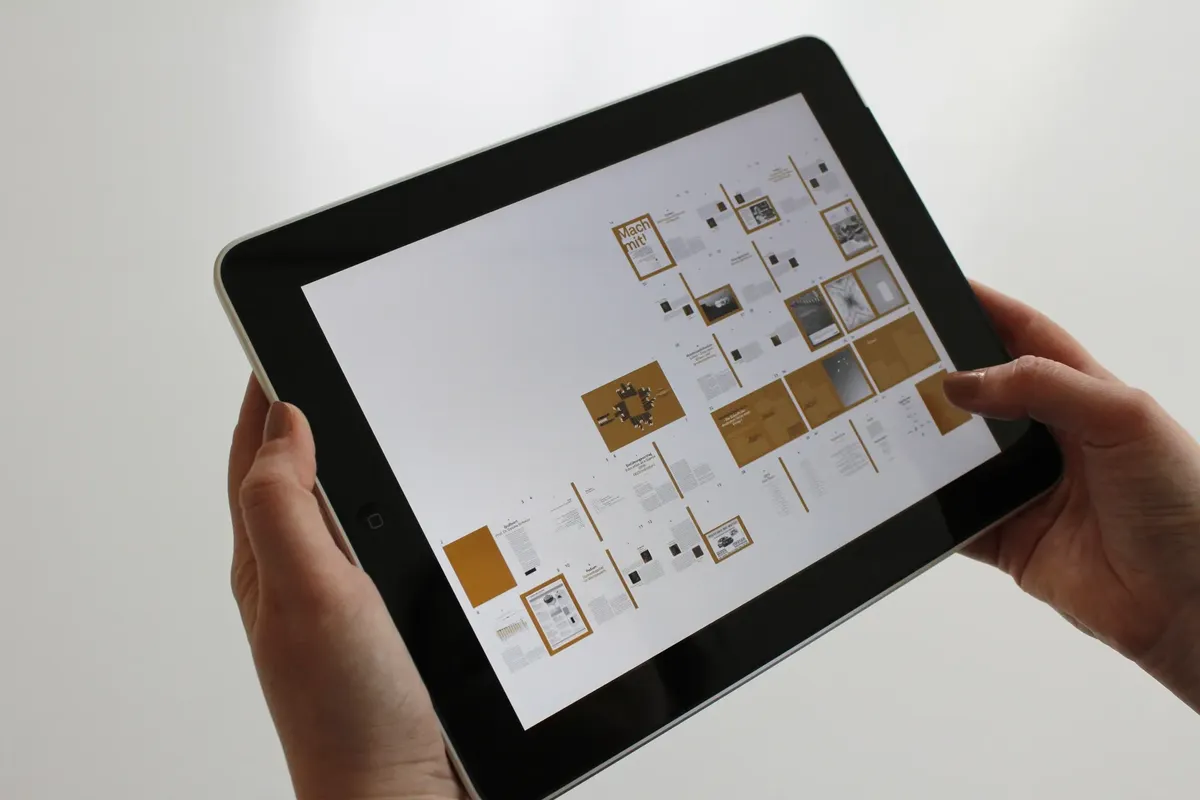
A limitation of managing digital assets is that the software capabilities are often restricted by the specific hardware constraints of the era, such as the resistive screens used in early touch-capable phones.
- Curate your selection to maintain a consistent aesthetic.
- Optimize image resolution for mobile screen dimensions.
- Use relevant tags to improve discoverability.
What are my options for mobile OS development?
A developer looks at various lines of code, comparing the architecture of a feature phone to that of a high-end smartphone. The diversity of operating systems has led to different ways of handling media and user interaction.
The Symbian Foundation was formed to co-ordinate the future development of the Symbian platform among the corporations using it, in a manner similar to the Open Handset Alliance with Android, according to The Symbian Foundation.
While some systems focus on high-end smartphones, others target different segments. For example, KaiOS was developed mainly for feature phones, giving these devices access to more advanced technologies usually found in smartphones, such as app stores and Wi-Fi or 4G capabilities.
| Platform Era | Key Feature |
|---|---|
| Early Symbian | MMS and Camera Integration |
| iPhone OS 2 | App Store Availability |
The variety in these paths means that enhancing mobile user journey requirements varies significantly depending on whether one is using a feature phone or a flagship smartphone.
Development paths typically diverge between closed ecosystems that prioritize seamless integration and open-source frameworks that offer greater customization.
How do we ensure high-quality visual storytelling?

An artist adjusts the brightness on a screen, looking for the perfect balance in a landscape photograph. The ability to share an experience through a single image remains a core goal of all digital platforms.
High-quality storytelling often relies on the platform's ability to present images without losing detail. For example, a prize-winning photo, such as the one featuring the Milky Way over San Juan National Forest in a 2021 contest, requires a platform that can handle high-resolution visual data.
Improving photo experience often comes down to the intersection of hardware quality and software usability. When the interface is seamless, the user can focus entirely on the subject matter.
Effective storytelling requires a clear subject, intentional composition, and a cohesive narrative thread that guides the viewer through the sequence.
Related
- Digital photo preservation: Best guide for image longevity
- Black and white street art: How to capture feeling
What conditions affect the quality of shared content?
High-quality visual storytelling depends on the platform's capacity to display images without degradation. The ability of the platform to handle high-resolution visual data is a primary factor in preserving detail. When the interface is well-designed, the user concentrates on the subject matter rather than technical limitations. This focus is crucial for the platform to be considered good for visual sharing.
Content quality is influenced by lighting conditions, sensor capabilities, and the stability of the device during capture.
When does interface design become critical for platform success?
Interface redesign becomes critical when the existing design impedes the natural flow of visual consumption. Streamlining the process of uploading and viewing images directly impacts user retention. A platform must balance aesthetic improvements with technical stability to remain a good experience for users. This balance ensures the platform remains relevant as hardware capabilities advance.
The shift from early messaging services to complex ecosystems demonstrates how the platform's capabilities dictate the user experience. The historical progression shows that the platform's effectiveness is tied to its ability to support evolving user expectations for visual presentation.








Comments 0