Digital photo preservation: Best guide for image longevity
"The preservation of digital information requires more than just a hard drive; it requires a methodology for longevity."
Digital photo preservation involves selecting stable file formats and implementing systematic risk assessment to prevent data loss. This guide explores technical strategies for long-term storage, audit methodologies for digital repositories, and the importance of using non-proprietary formats.

* Select mature, uncompressed file formats for stability. * Utilize risk assessment toolkits to audit repository integrity. * Implement periodic archival updates to combat technological obsolescence.
Which file formats are best for saving my photos?
At dusk in the quiet studio, the photographer clicks the mouse to save a heavy file into a stable digital format.
A photographer sits at a desk, carefully selecting a high-resolution image to export into a permanent format. They ensure the file remains accessible even if specific software becomes obsolete.
Selecting the right format is the foundation of digital photo preservation. Choosing uncompressed TIFFs is a common practice for both born-digital and digitized still images. This format is favored because of its maturity, wide adaptation in various communities, and thorough documentation.
The Smithsonian Institution Archives has published guidelines regarding file formats used for the long-term preservation of electronic records. These guidelines suggest that formats should be open, standard, non-proprietary, and well-established.
Using such formats reduces the risk of being locked into a single vendor's ecosystem.
How do we manage large photo datasets effectively?
An archivist stares at a monitor, organizing thousands of files into a structured digital repository. They check for metadata consistency and file integrity to ensure nothing is lost during the migration process.
Managing large photo datasets requires a balance between accessibility and security. Effective digital asset management involves regular audits to ensure the data remains intact. Organizations often use standardized tools to categorize and track the health of their digital collections.
The Digital Curation Centre (DCC) and DigitalPreservationEurope (DPE) introduced the Digital Repository Audit Method Based On Risk Assessment (DRAMBORA) in 2007. This method offers a methodology and a toolkit for digital repository risk assessment.
It helps curators identify vulnerabilities in their storage systems.
What are the techniques for image longevity in a changing tech landscape?
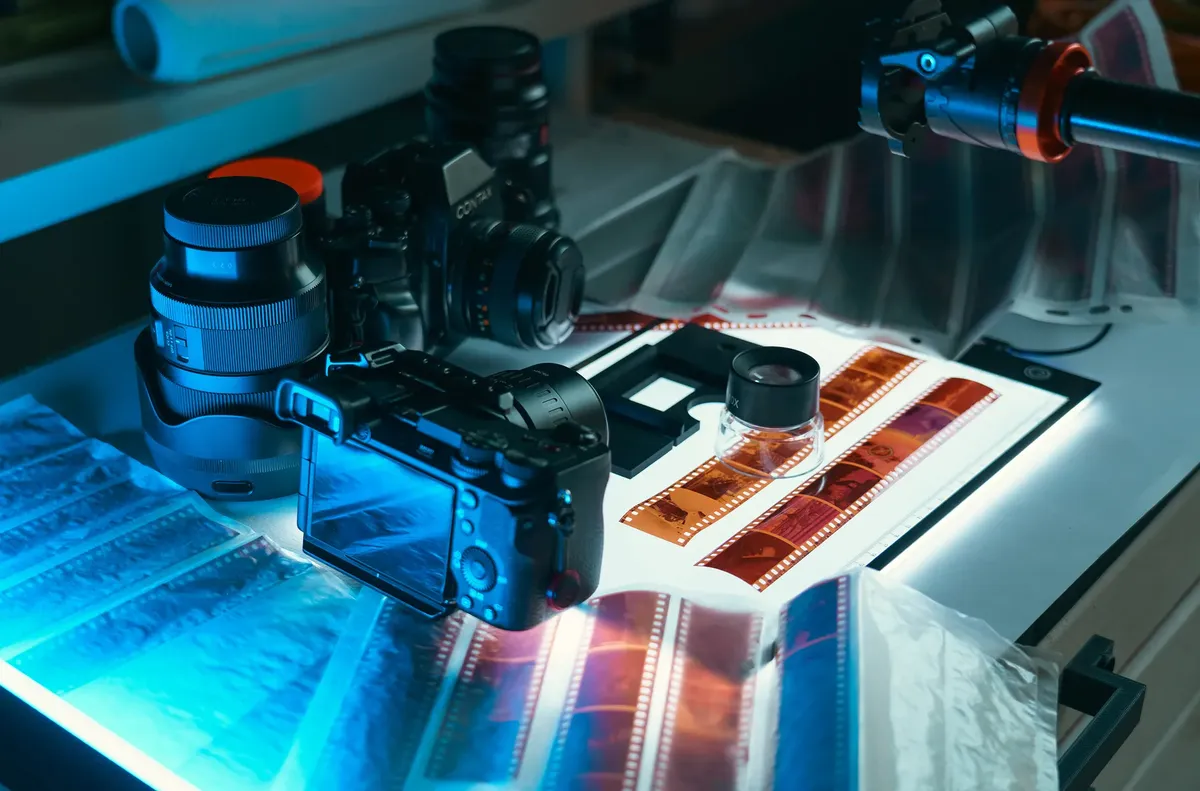
A technician holds a specialized film strip, examining the silver halide coating that promises centuries of data survival. They consider how physical media might interact with digital data over long periods.
Techniques for image longevity often involve physical backups and emulation. For instance, the Arctic World Archive uses specially developed film coated with silver halide with a lifespan of 500+ years to provide a more secure snapshot of data.
This type of archiving is intended at five-year intervals to ensure the data remains readable.

Another example of emulation as a form of digital preservation can be seen in the example of Emory University and the Salman Rushdie's papers. Emulation allows older digital assets to be run on modern hardware, bridging the gap between eras.
How can we ensure the best practices for digital archives are followed?
A researcher reviews a checklist of criteria provided by an international standards body. They cross-reference their current storage protocols with these established benchmarks to ensure compliance.
Maintaining a reliable archive requires following established standards. A German initiative, nestor, developed a catalogue of criteria for trusted digital repositories in 2004. This initiative was sponsored by the German Ministry of Education and Research.
To maintain a secure environment, follow these steps:
- Identify and select open, non-proprietary file formats. 2. Implement a risk assessment methodology to audit the repository. 3. Perform regular integrity checks and periodic data migrations.
I remember comparing different storage solutions and realizing that without a structured audit, even the best hardware could fail to protect my files.

A limitation of these methods is that they often depend on the continuous availability of specific hardware or software for emulation, and the effectiveness of risk assessment models can vary based on the specific technological environment.
- Select non-proprietary formats like TIFF or PNG to ensure long-term accessibility.
- Maintain high-resolution masters to allow for future scaling.
- Regularly verify file integrity to prevent bit rot.
The same subject is also called Archive digital images.
The same subject is also called Long term photo storage.
The same subject is also called Photo data preservation.
Best practices for digital archives
Related
- Black and white street art: How to capture feeling
- Digital photography tips: Safe selfie shooting guide
How does risk assessment aid digital preservation?
Late at night in the dim archive, the curator brushes a hand over the screen while scanning for digital vulnerabilities. Risk assessment helps curators pinpoint weaknesses within their storage systems when applying the DRAMBORA methodology. This process enables the identification of potential points of failure before they compromise the digital information.
Systematic risk assessment prevents data loss by proactively evaluating the stability of the digital repository. It provides a framework for understanding where the preservation efforts must be concentrated.
The implementation of risk assessment toolkits allows for the auditing of repository integrity against known threats. This audit ensures that the chosen preservation methodology is robust enough for the specific digital assets being managed.
In this sequence, the second step is the most extensive.
What do I need to ensure my digital files last?
Successful digital preservation depends on adherence to established standards and the proactive management of technological shifts. Maintaining a reliable digital archive requires diligent application of the outlined procedures.
The selection of open, non-proprietary file formats acts as a primary safeguard against vendor lock-in, which is a key condition for longevity. Furthermore, the consistent execution of risk assessment methodologies ensures that vulnerabilities within the digital repository are continually addressed.
Periodic data migrations and integrity checks are necessary conditions because technological obsolescence constantly threatens the readability of digital assets. These actions confirm that the chosen preservation methodology remains effective over time.








Comments 0