Black and white street art: How to capture feeling
"The soul of a moment is often better captured in shades of gray than in the distraction of color."
Black and white street art relies on the interplay of light and shadow to tell a story without the bias of hue. This guide explores how to master monochrome portraiture style and capture the visual aesthetic of streets through technical precision and emotional timing.
You will learn about lens selection for different subjects, the history of 35mm film, and how to frame urban environments.
How does one achieve the visual aesthetic of streets?

As dusk falls over the city plaza, I squint my eyes to watch the long, black shadows stretch across the cold pavement.
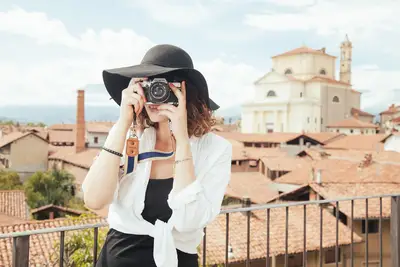
A photographer walks through a crowded plaza, watching how shadows stretch across the pavement. Capturing the visual aesthetic of streets requires an eye for spontaneous geometry and lighting.
Street photography often utilizes 35mm film or digital sensors to capture urban environments. The transition to smaller, more portable film formats allowed photographers to move through cities more freely.
For instance, the Leica was the first commercially successful camera to use 35 mm film when it was first sold in 1925. This portability changed how artists interacted with their surroundings.
The ability to move unnoticed often dictates the quality of the shot. Some photographers even used specialized equipment, such as a 35 mm Contax concealed beneath a coat, strapped to the chest and connected to a long wire, to act as a hidden camera.
This level of discretion helps in capturing unposed, authentic moments.
- Observe the interplay of light and shadow in your environment.
- Identify leading lines that guide the viewer's eye.
- Wait for the decisive moment when elements align.
What are the techniques for monochrome portraits?
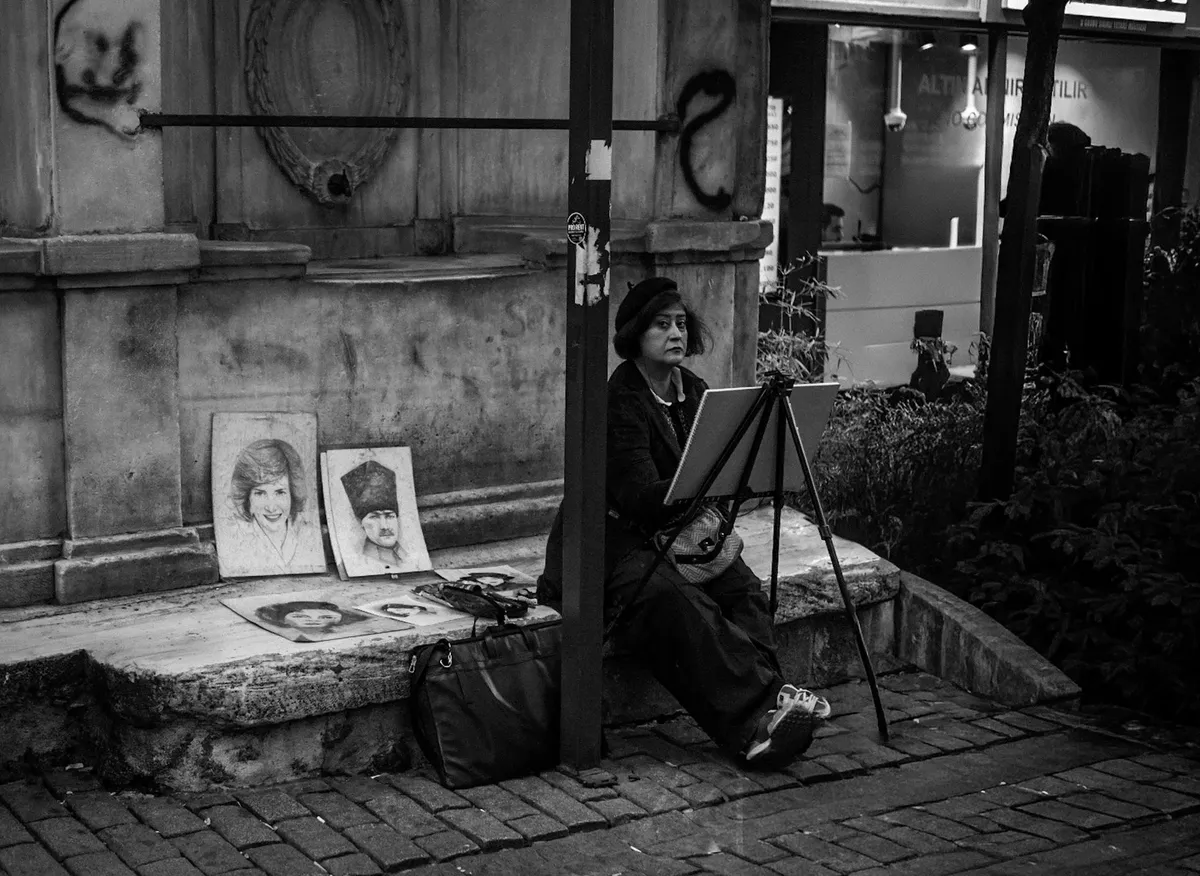
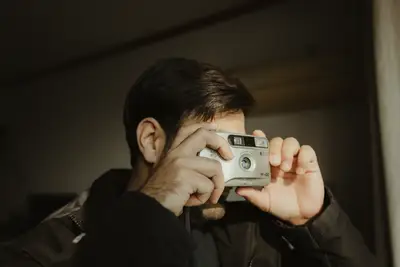
An artist adjusts the aperture while looking through the viewfinder at a subject's face. Techniques for monochrome portraits involve choosing the right focal length to frame the subject effectively.
When framing subjects to capture their head and shoulders, the lens choice is critical. For 135 film format cameras, typical lenses for these portraits have a focal length between 75 and 135 mm. This range yields an angle of view between 18 and 32° on the diagonal.
Choosing a lens in this range helps isolate the subject from a busy background.
Different formats require different focal lengths to achieve a similar perspective. For medium and large format cameras, the same angles of view require a lens with a focal length from approximately 150 to 400 mm, depending on the specific frame size.
Understanding these mathematical relationships allows a photographer to maintain consistency across different equipment.
In this sequence, the second step is the most extensive.
How can you master expressing feeling in street shots?
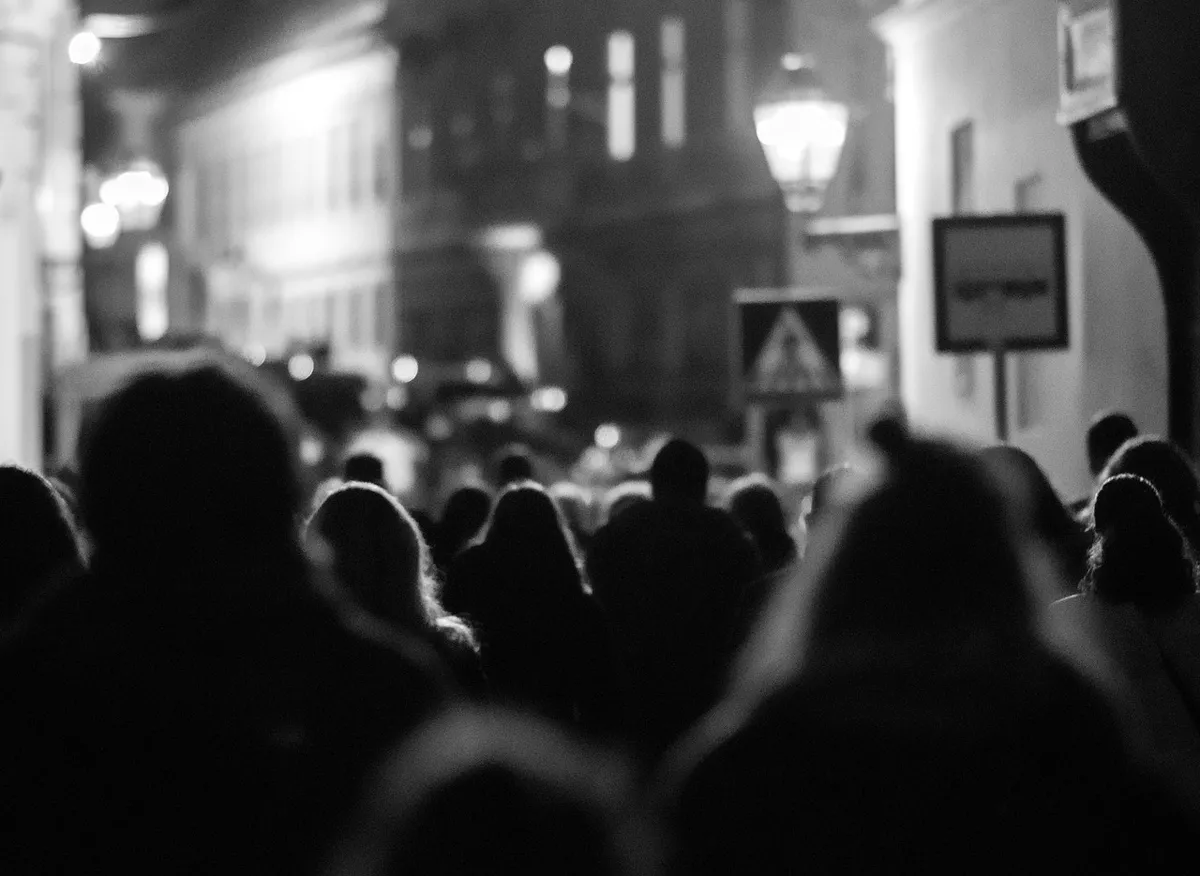
A sudden movement in the street catches the eye, prompting a quick adjustment of the camera. Expressing feeling in street shots often comes down to the relationship between the lens and the subject's distance.
For a 35mm film format, 50 mm lenses provide a 47° angle of view, which serves as a versatile tool for various scenes. If you need to capture a wider scene, such as groups up to 3 m wide, a moderate wide angle lens like a 35 mm lens (63.5°) can be used.
These choices define the intimacy or the scale of the emotion being recorded.
The choice of lens also affects the perceived depth and distortion. While a 200 mm lens is suggested as the upper limit for comfortable portraiture with 35 mm film cameras (providing a 12.5° angle of view), using much longer lenses can make the subject feel detached.
Selecting a lens that balances distance and detail is key to emotional impact.
What is the role of lens choice in black and white street art?
A photographer compares two different lenses side by side before heading out to the city. Black and white street art thrives on the specific characteristics of optical glass.
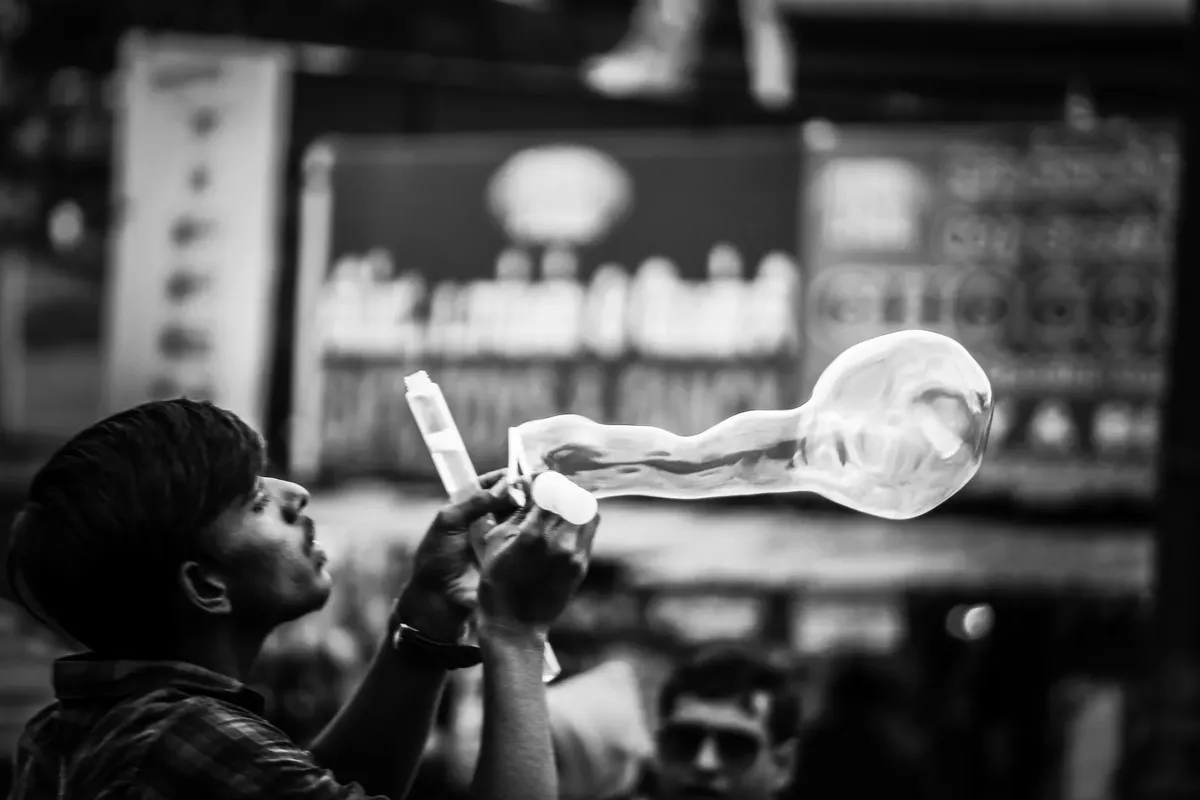
In certain scenarios, the difference in perspective distortion between 85mm and 135mm lenses is rather subtle. This allows a photographer to switch between them without drastically changing the look of the portrait. It provides flexibility when moving between different street subjects.
Some lenses are even designed to add specific artistic qualities to a shot. For example, the Canon EF 135mm f/2.8 with Softfocus is an example of a lens designed with a controllable amount of soft focus. This can add a dreamlike quality to monochrome images, enhancing the artistic expression.
How do you select the right gear for a shoot?
An artist lays out various lenses on a table, considering the upcoming walk through the city. Selecting the right gear involves matching the lens to the specific photographic task.
| Lens Type | Focal Length Range (mm) | Purpose |
|---|---|---|
| Standard Portrait | 75 - 135 mm | Head and shoulder framing |
| Large Format Portrait | 150 - 400 mm | Equivalent angles of view |
I often find that the most versatile tool is the 50 mm lens, which is frequently used on cropped sensors as a budget-friendly portrait option. When I am working with 35mm film, I consider the 50mm's 47° field of view for general use.
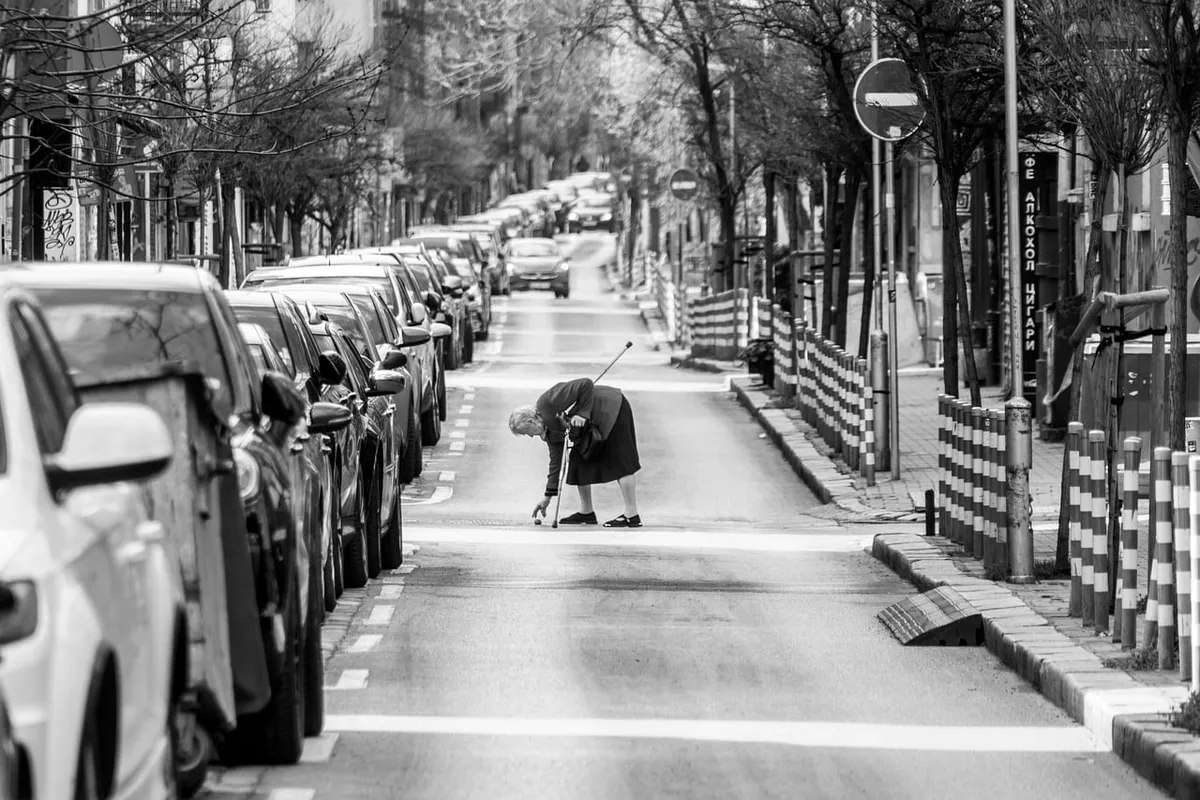
To select your gear, follow these steps: 1. Determine the primary subject, such as a close-up portrait or a wide urban scene. 2. Select a focal length that matches the desired angle of view for your specific film or sensor format. 3.
Check the lens's ability to handle the lighting conditions of the street. 4. Verify that the focal length provides the necessary compression or wide perspective for the intended emotion.
A limitation of these techniques is that the specific field of view and required focal length change significantly depending on whether one is using 35mm, medium, or large format equipment.
Related
- Digital photography tips: Safe selfie shooting guide
- Mobile photo sharing strategy: Why optimize photo posts now
What considerations affect the capture of the soul of a moment?
- The interplay of light and shadow dictates the mood when rendering the soul of a moment in monochrome. 2. Emotional timing becomes paramount when the spontaneous geometry of the street presents itself. 3. Lens selection influences the perceived depth, which contributes to the captured soul of a moment.
The transition to smaller, more portable film formats allowed photographers to interact with their surroundings in a way that facilitated capturing the soul of a moment. This increased mobility supported the ability to move unnoticed through urban settings.
Discretion, achieved through equipment like a concealed camera, aids in capturing unposed instances of the soul of a moment.
How does technical precision support emotional timing?
Technical precision supports emotional timing by allowing the photographer to react swiftly to street occurrences. A quick adjustment of the camera is necessary when a sudden movement captures the eye, which is crucial for capturing the soul of a moment. The relationship between the lens and the subject's distance directly informs how feeling is expressed in street shots, impacting the soul of a moment.
When selecting gear, the primary subject guides the choice, whether it is a close-up portrait or a wide urban scene, thereby framing the soul of a moment.
Verifying that the focal length provides the necessary compression or wide perspective ensures the intended emotion is conveyed in the captured soul of a moment.
Wikipedia: Hand-colouring of photographs (full) Based on the retained excerpt mentioning Machine Flickr Collection Nagasaki University: Brooklyn Museum Flickr Collection The George Eastman House Flickr Collection The Field Museum Archived 31 December 2010 at the Wayback Machine Flickr Collection Nagasaki University Library; Japanese Old Photographs in Bakumatsu-Meiji Period.





Comments 0