Path based landscape shooting why movement helps capture
"The best way to capture the essence of a place is not to stand still, but to move through it with intention."
Path based landscape shooting allows a photographer to translate the physical journey of a walk into a visual narrative. This technique utilizes the natural movement through a space to discover unique angles and changing light that a stationary position might miss.
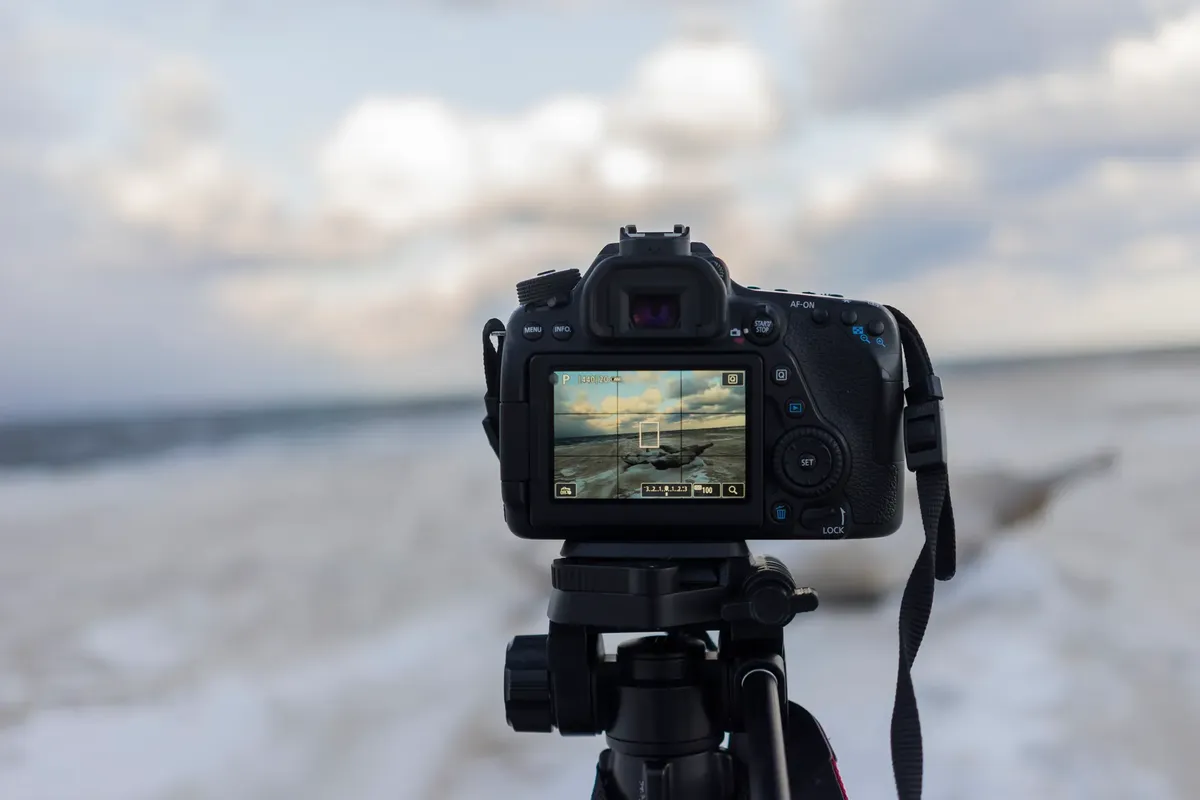
This guide covers the fundamentals of movement-based photo tips, explores how to manage composition during a walkthrough scenery capture, and provides professional-level insights for route driven landscape shots.
Why should you use path based landscape shooting?
Walking through a trail with a camera in hand reveals the subtle shifts in perspective that define a landscape. A photographer steps over a fallen log, feeling the crunch of gravel underfoot, and realizes the horizon line has shifted entirely.
When starting with photography, you will find many tips and techniques to understand, from the basics of shutter speed, aperture, and ISO to composition and lighting. Understanding these fundamentals is essential before attempting more complex movement-based photo tips.
Mastering the technical basics allows you to focus on the path ahead rather than struggling with settings.
- Identify a natural leading line within the terrain.
- Align your camera angle to follow the path's trajectory.
- Use the path to guide the viewer's eye toward the horizon.
How can you master movement based photo tips?
A photographer adjusts their footing on a steep incline to find the perfect balance between the subject and the foreground. This physical adjustment is a key part of movement based photo tips.
According to ISO, when starting with photography, you'll find many tips and techniques to understand, from the basics of shutter speed, aperture, and ISO to composition and lighting.
Moving through a scene helps you understand how light interacts with different textures and depths. By changing your physical location, you can test how shadows fall across a valley or how sunlight hits a ridge.
This continuous adjustment of your position ensures that the final image reflects the reality of the space.

In this sequence, the second step is the most detailed.
What are the secrets to walkthrough scenery capture?
A photographer moves slowly through a meadow, pausing occasionally to frame a distant mountain against a patch of wildflowers. This intentional pacing is the heart of walkthrough scenery capture.
The goal is to use the physical path to lead the eye through the frame. As you walk, you are essentially scouting for leading lines that are not visible from a single vantage point. This method ensures that the resulting images feel immersive and dynamic rather than static.
How do you execute route driven landscape shots?
A photographer follows a winding riverbank, moving in sync with the natural curve of the water to capture the flow. This creates the perfect opportunity for route driven landscape shots.
Using a specific route allows you to anticipate how the environment will change. Instead of wandering aimlusteredly, you follow a logical progression that mimics a viewer's eye movement. This technique helps in planning a cohesive series of images that tell a complete story of a location.
Can you apply these techniques to specific environments?
A photographer stands at the edge of a rugged coastline, watching the tide roll in while preparing to move to a higher ledge. Applying these methods to specific environments requires adaptability.
- Scout the area to identify potential paths and natural leading lines. 2. Adjust your camera settings to account for changing light as you move. 3. Perform a final check of your composition at every significant stopping point.
I once walked a long, winding mountain trail to see how the light would hit the peaks at different elevations.
| Technique | Primary Focus |
|---|---|
| Path based landscape shooting | Spatial narrative |
| Route driven landscape shots | Visual flow |
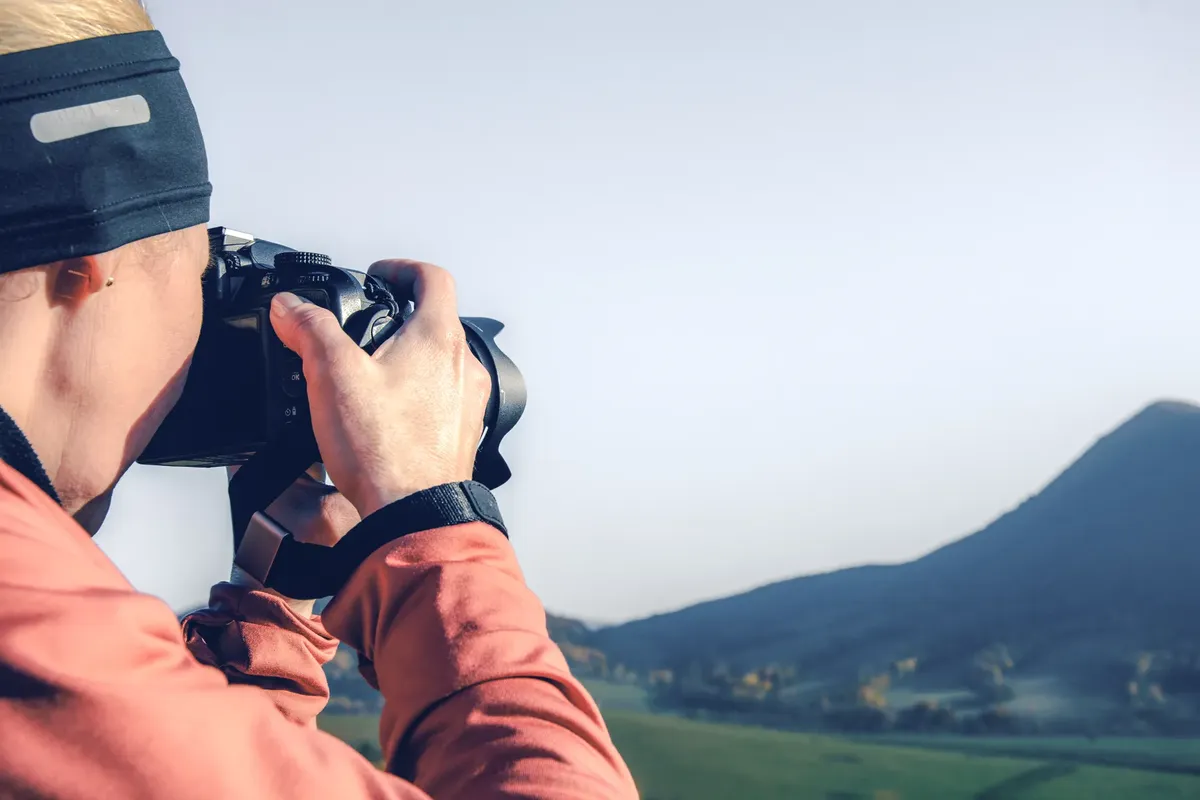
A limitation of this approach is that it requires significant physical mobility and may not be suitable for photographers with limited access to rugged terrain.
The subject here is Path based landscape shooting.
The same subject is also called Dynamic path photography.
This part also covers How to use movement in landscape.
This part also covers Best path shooting techniques.
This part also covers Tips for dynamic landscape shots.
Related
- Outdoor lighting for landscape: Techniques for depth
- Stitching guide: Best slanted shot stitching guide for views
When is movement essential to capture the essence of a place?
Movement is essential when the landscape's character relies on temporal or spatial shifts that a single viewpoint cannot convey. The essence of a place often reveals itself through transition, such as the way shadows lengthen or how vegetation changes color across a slope. By moving, the photographer actively seeks these moments of transformation, allowing the image to reflect the dynamic nature of the environment.
How does physical movement aid in composition?
Physical movement directly influences composition by offering varied sightlines. As a photographer shifts their body along a path, they encounter different planes of focus and framing opportunities. This continuous repositioning allows the photographer to test how elements interact, leading to a more layered and compelling visual narrative that captures the essence of the location.
The intentional pacing mentioned in walkthrough scenery capture directly impacts the final composition. Slowing down allows the photographer to observe how foreground elements interact with background features, thereby building visual depth into the frame.
This deliberate action transforms a simple observation into a structured photographic moment.
Understanding the relationship between movement and light is crucial for capturing the essence of a place. By changing elevation or angle, the photographer can observe how sunlight sculpts textures differently across the terrain.
This continuous testing of light conditions ensures the photograph possesses a rich, atmospheric quality.
When executing route driven landscape shots, the anticipation of environmental change guides the composition. Following a predetermined route means the photographer is not just reacting to the scene but is actively composing a sequence based on expected visual progression.
This forethought allows for a more cohesive visual story.
Adapting to specific environments requires the photographer to integrate scouting with technical execution. Identifying natural leading lines on a coastline, for instance, dictates the subsequent camera positioning to best capture the tide's movement.
This adaptability is key to successfully capturing the essence of diverse settings.







Comments 0