Digital photography tips: Safe selfie shooting guide
"The pursuit of the perfect shot should never come at the cost of personal safety or the privacy of others."
A safe selfie shooting guide requires constant awareness of your physical surroundings and the ethical implications of your lens. This guide helps you avoid environmental hazards, manage privacy concerns, and maintain physical stability during photography.
Key takeaways include assessing terrain, respecting private spaces, and understanding the shift from physical film to digital mobile photography.
How can I maintain a safe selfie shooting guide during outdoor shoots?
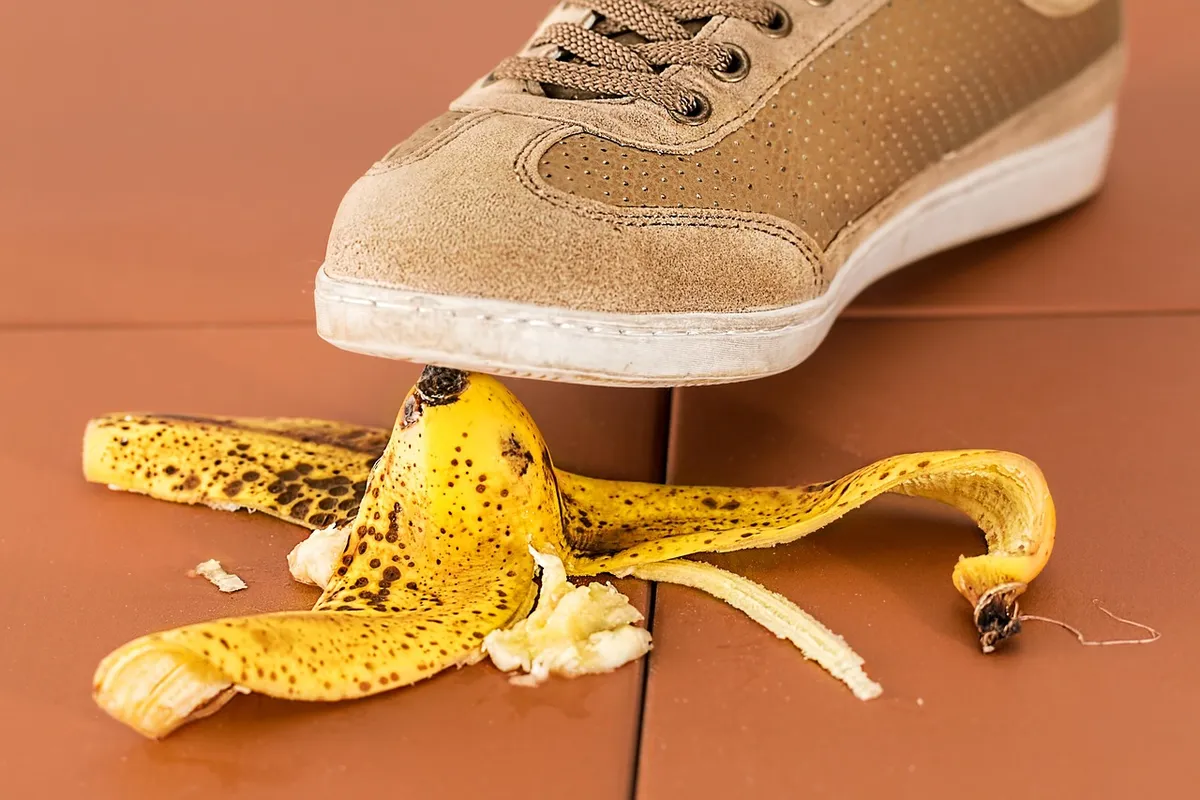
At dusk, I grip my camera tightly while balancing on the edge of a steep cliff to capture the digital glow of the sunset.
A photographer stands on a rocky ledge, stretching an arm wide to capture the sunset while balancing on uneven ground. Maintaining a safe selfie shooting guide requires a constant assessment of the ground beneath your feet before you focus on the screen.
Digital photography has shifted the landscape of safety because more than 99% of photographs taken around the world are through digital cameras, increasingly through smartphones.
This high mobility means users often overlook immediate physical hazards like cliffs, water, or traffic while looking at a viewfinder. You must secure your footing and ensure your grip is firm before attempting an angled shot.
The ease of smartphone use can lead to a lack of situational awareness. While the focus is on the subject, the surrounding environment remains a constant variable. Always prioritize a stable stance over a dramatic angle to prevent falls.
What are the risks of privacy when using a safe selfie shooting guide?
A person holds a phone toward a crowded public square, capturing a wide-angle view of people walking by. Implementing a safe selfie shooting guide involves recognizing that your lens might capture more than intended.
Privacy concerns are a significant part of modern photography, as seen in recent technological controversies.
For instance, 404 Media reported in April 2026 that Flock Safety representatives conducted product demos using video from a Jewish Community Center in Dunwoody, Georgia, which included feeds of a children’s gymnastics room, a playground, a school, and a pool.
This illustrates how captured footage can inadvertently include sensitive or private areas.
When capturing images, consider the people in your background. Just as the Los Angeles Police Department (LAPD) decided not to renew its contract with Flock Safety due to civil liberties and privacy concerns, individual photographers should respect the boundaries of those they capture.
Avoid filming in private residential areas or sensitive locations like schools and playgrounds without permission.
How do I prevent accidental injury during photography?
A photographer adjusts a tripod on a narrow sidewalk, careful not to trip passersby. Avoiding photo accidents involves managing your equipment and your body's movement to prevent trips, falls, or collisions.
According to the International Electrotechnical Commission, the 2006 publication of IEC 62471 Photobiological safety of lamps and lamp systems replaced the application of early laser-oriented standards for classification of LED sources.
Safe picture taking tips include keeping your peripheral vision active while using a device. Because you are often looking at a small screen, you may not notice a sudden change in your environment.
If you are moving, stop first to take the photo rather than attempting to walk and shoot simultaneously.
To ensure safety, follow these steps: 1. Survey the immediate area for obstacles like cables, uneven pavement, or slippery surfaces. 2. Secure your device with a wrist strap or a firm grip to prevent drops. 3. Establish a clear perimeter if you are using tripods or extra equipment.
Check your surroundings one last time after the shutter clicks to ensure you are still in a stable position.
What are the best practices for photos in changing light?
A photographer adjusts the exposure settings on a bright afternoon, squinting against the glare of the sun. Safe selfie shooting guide practices include protecting your eyes and ensuring the lighting does not mask hazards.
The shift to digital technology has changed how we interact with light. Since more than 99% of photographs are now digital, users are often exposed to high-intensity light sources through screens.
While the light itself is a tool, sudden flashes or bright sunlight can cause temporary blindness, leading to stumbles.
Selfie injury prevention can be managed by using polarized lenses or adjusting screen brightness to maintain visibility of your surroundings. If the light is too intense, use the environment to find shade before attempting a shot.
How does the history of photography impact modern safety?
A student looks through an old archive of glass plates and film strips, comparing them to a modern smartphone. Understanding the evolution of the medium provides context for how much more mobile—and thus potentially dangerous—modern photography has become.
The history of the medium shows a transition from heavy, stationary equipment to highly portable devices.
For example, the changeover was not completed for X-ray films until 1933, and while safety film was used for 16 mm and 8 mm home movies, nitrate film remained standard for theatrical 35 mm motion pictures until it was finally discontinued in 1951.
This move toward "safety film" was a direct response to the physical hazards of older photographic materials.
Today, the danger is not the film itself but the movement of the photographer. Because we are no longer tethered to a darkroom or a heavy tripod, we move into unpredictable environments. This mobility requires a disciplined approach to safety.
- How can I maintain a safe selfie shooting guide during outdoor shoots?
- What are the risks of privacy when using a safe selfie shooting guide?
- How do I prevent accidental injury during photography?
The same subject is also called Prevent photo accidents.
The same subject is also called Photo safety rules.
This part also covers Tips for safe selfies.
This part also covers Avoiding photo hazards.
Related




Comments 0