Energy savings guide: Large camera lighting guide for shoots
"A single bulb can change the entire atmosphere of a captured scene, yet the wrong choice can disrupt the very environment you intend to document."
Selecting the right light for big camera setups requires balancing intensity, color temperature, and power efficiency to ensure professional results. This guide covers energy-efficient lamp comparisons, environmental considerations, and technical selection criteria.
Key takeaways: * LED lamps provide significant energy savings compared to incandescent and halogen alternatives. * Light color and blue content can impact both human health and local ecosystems. * Long-term data collection and equipment longevity are vital for consistent lighting environments.
How do energy efficiency levels affect light selection?
While adjusting the dimmer in the dim studio at dusk, I feel the sudden surge of energy as the bulb glows bright.
A photographer adjusts the brightness of a studio lamp, noticing how much heat radiates from the bulb. Choosing energy-efficient sources is a primary component of a large camera lighting guide when managing long shooting sessions.
According to the Energy Saving Trust, LED lamps use only 10% power compared to a standard incandescent bulb, where compact fluorescent lamps use 20% and energy saving halogen lamps 70%. This efficiency allows for more stable power management during extended shoots.
The difference in power consumption is stark when comparing modern solutions to older technology. For example, one can observe a 90% difference when compared to a halogen downlight or spotlight. Using these efficient tools helps maintain a controlled environment without excessive heat.
Higher efficiency ratings often translate to lower heat output, which helps maintain a stable environment for both the gear and the subject.
What environmental impacts will affect me? Large camera lighting guide
Standing in the dark forest at midnight, the photographer freezes in place as the sudden energy of the flash illuminates the trees.
A photographer stands in a natural landscape, observing how the artificial glow from a flash might disturb the local wildlife. Effective camera lighting use requires an awareness of how light affects the surrounding ecosystem.
The World Health Organization in 2007 issued a report that noted the effects of bright light on flora and fauna, sea turtle hatchlings, frogs during mating season and the migratory patterns of birds. These biological disruptions are critical factors when shooting in sensitive outdoor locations.
One must also consider the specific spectrum of light being emitted.
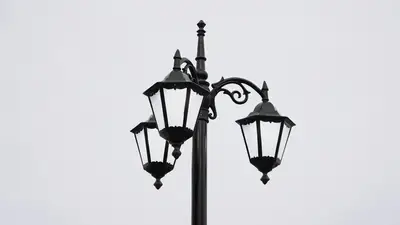
For instance, one study conducted by the American Medical Association warned on the use of high blue content white LEDs in street lighting, due to their higher impact on human health and environment, compared to low blue content light sources.
Choosing LED technology over traditional bulbs reduces power consumption and minimizes electronic waste over time.
How does equipment longevity play a role in professional setups?
A technician replaces a burnt-out bulb in a large studio fixture, checking the clock to see how many hours it has lasted. Choosing light for large shots involves calculating the replacement frequency of various light sources.
Reliability is a key factor in professional photography. The lifetime is also much longer — up to 50,000 hours. This longevity ensures that the light quality remains consistent over many months of production.
To ensure the lighting environment is stable, professionals often use specialized tools. The Daysimeter can gather data for up to 30 days for analysis. This allows for a deep understanding of how light changes over time before a shoot begins.
Investing in durable hardware ensures consistent performance and reduces the frequency of costly replacements during active shoots.
How do I select professional lighting?
A designer sits at a desk, sketching out the placement of various light modifiers and stands. Applying the right lighting setup for large format subjects requires a methodical approach to prevent technical failures.
- Evaluate the power requirements of the existing electrical circuit to accommodate the chosen lamps. 2. Select the color spectrum carefully to avoid high blue content if human health or environmental impact is a concern. 3. Verify the expected lifetime of the bulbs to plan for maintenance and consistency.
After these steps, perform a final check of the light intensity. I once spent an entire afternoon recalibrating a studio setup because the power draw was too high for the circuit.
- Assess the specific lighting requirements of your studio space.
- Evaluate the power output and color accuracy of potential models.
- Compare the durability and portability of different brands.
What are the limitations of certain light sources?
A researcher looks at a data sheet, noting the specific conditions under which a light source fails to meet requirements. Understanding these boundaries is essential for any camera lighting selection tips.
Certain lighting technologies are better suited for specific tasks. For example, while LEDs are highly efficient, their specific blue light output may be restricted in certain ecological zones.
A limitation is that high blue content light sources may have a higher impact on human health and the environment.
In this sequence, the second step is the most extensive.
The same subject is also called Best light for big camera.
This part also covers How to use studio lights.
This part also covers Achieving desired light effect.
How to use studio lights
Related
- Path based landscape shooting why movement helps capture
- Outdoor lighting for landscape: Techniques for depth
When should a photographer prioritize light color temperature?
Prioritizing light color temperature is crucial when the desired mood of the captured scene depends heavily on the light's hue. A photographer must consider how the specific color temperature interacts with the subject matter to achieve the intended atmosphere. The wrong choice of a single bulb can disrupt the very environment you intend to document, even if the intensity is correct.
Color temperature directly relates to the perceived warmth or coolness of the light emitted by the bulb. Different color temperatures lend distinct qualities to the resulting image, affecting the viewer's emotional response to the captured scene.
This consideration moves beyond mere energy savings to focus on artistic intent.
Color temperature becomes critical when trying to match ambient light or when aiming to evoke specific emotional tones in a portrait.
What cautions exist regarding light spectrum in sensitive areas?
Cautions regarding light spectrum must be observed when shooting in areas where local life is vulnerable to artificial illumination. The American Medical Association warned on the use of high blue content white LEDs in street lighting due to their higher impact on human health and environment compared to low blue content light sources. This caution extends to any sensitive outdoor location where the artificial glow might disturb the local wildlife.
When selecting a single bulb for such environments, the photographer must weigh the visual needs against the ecological risk.
The World Health Organization in 2007 noted the effects of bright light on flora and fauna, sea turtle hatchlings, frogs during mating season and the migratory patterns of birds. Therefore, the spectrum of the chosen bulb becomes a critical selection criterion.




Comments 0