Night photo shooting tips: Guide to low light environments
"The darkness holds a unique texture that requires both technical precision and heightened situational awareness to capture effectively."
Mastering night photography involves balancing low-light camera settings with personal safety in unpredictable environments. This guide provides essential tips for managing equipment in the dark and staying secure while pursuing the perfect shot.
Key takeaways include managing light sources, maintaining physical awareness, and understanding the technical limits of long exposures.
How to manage low light environments?
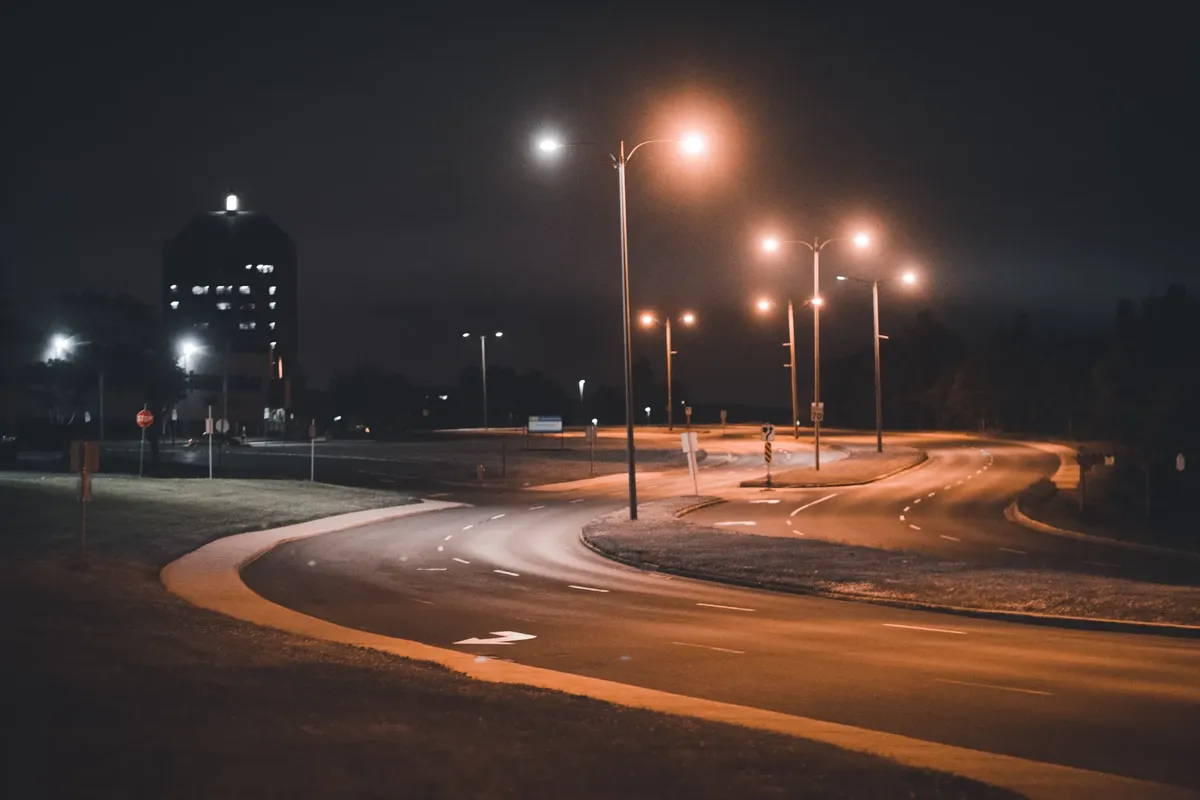
A photographer stands on a quiet street corner, adjusting a tripod as streetlamps cast long, dramatic shadows across the pavement. Navigating these dim settings requires a clear understanding of how light interacts with the sensor to avoid grainy or washed-out results.
When working in low light, the primary goal is to capture enough light without losing detail to noise. Achieving a clear image often requires manual control over aperture and shutter speed to manage the limited illumination available.
Using a tripod is a common practice to ensure stability during long exposures.
Because light levels change rapidly, photographers must remain observant of shifting shadows. A successful night photo shooting tips strategy involves monitoring the balance between ambient light and the subject.
If the light is too dim, increasing the ISO may be necessary, though this can introduce grain.
- Stabilize your camera using a tripod or a steady surface.
- Increase your ISO to boost light sensitivity.
- Open your aperture to its widest setting.
What are the essential night photography tips? Night photo shooting tips
A photographer carefully wipes a lens while checking the battery level under the dim glow of a handheld light. Preparing for the dark means having all necessary gear ready before the sun disappears completely.
Effective night photography tips prioritize preparation to prevent technical failures in the middle of a dark location. Check your battery levels frequently, as cold temperatures can drain power faster than usual.
Ensure you have sufficient storage space for high-resolution files and extra memory cards.
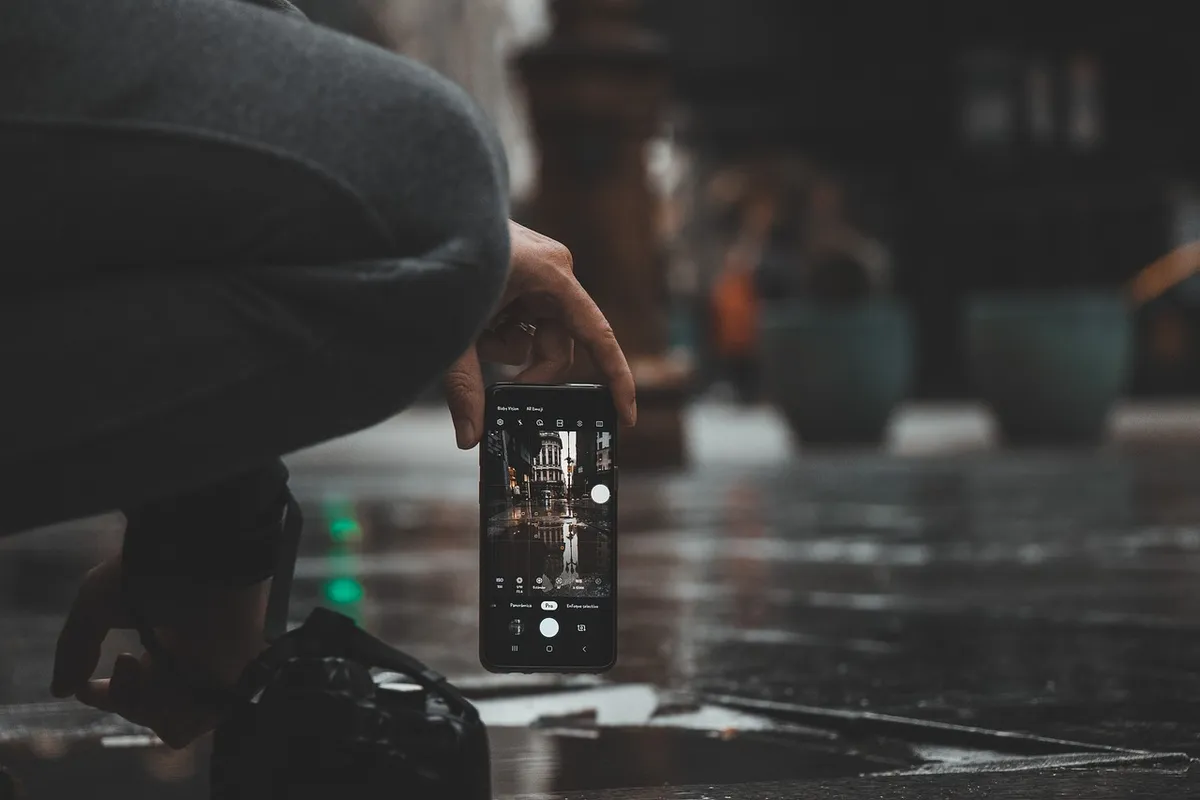
Keep your equipment clean and dry to prevent moisture from fogging the glass. If you are using a tripod, ensure it is firmly planted on stable ground to prevent vibrations. I remember checking my gear three times before leaving my hotel to ensure nothing was missed.
In this sequence, the second step is the most critical.
How to practice safe night photography?
A photographer walks carefully along a sidewalk, keeping a watchful eye on the surrounding environment while carrying a heavy camera bag. Safety is the most critical aspect of any late-night excursion into urban or remote areas.
A safe night photography guide emphasizes staying aware of your surroundings at all times. Avoid walking into isolated or poorly lit areas where visibility is minimal. It is often better to prioritize personal security over a specific shot if a location feels unsafe.
Always inform someone of your planned location and expected return time. If you are shooting in a public space, stay mindful of pedestrians and traffic. Keeping a small flashlight handy can help you navigate paths without blinding your camera sensor.
How to avoid dangers while night shooting?
A photographer pauses in a brightly lit plaza, looking toward a dark alleyway before deciding to move in a different direction. Avoiding hazards requires quick decision-making and an understanding of environmental risks.
When you are avoiding dangers while night shooting, you must balance the desire for a unique angle with the reality of the environment. Be cautious of uneven pavement, trip hazards, or slippery surfaces that are harder to see in the dark.
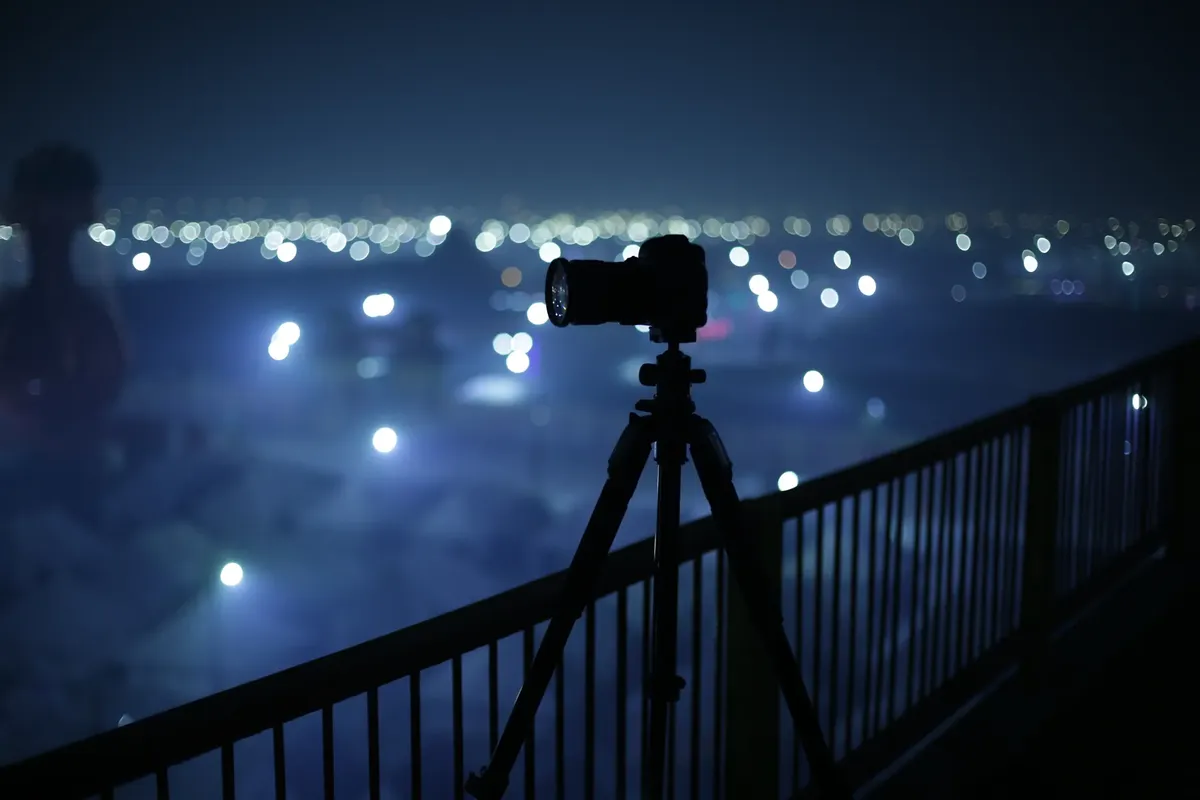
It is also important to stay aware of nighttime traffic when shooting near roads. Using a remote shutter release can prevent camera shake and allow you to stay clear of the immediate path of vehicles. Always trust your intuition regarding the safety of a specific scene.
What are the best camera settings for night?
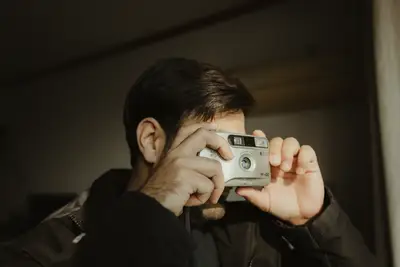
A photographer adjusts the dials on a camera body, carefully setting the shutter speed to capture the movement of distant lights. Technical settings must be tuned to the specific qualities of the night environment.
The best camera settings for night shots typically involve a combination of wide apertures and longer shutter speeds. A wide aperture allows more light to reach the sensor, while a slow shutter speed captures the ambient glow of the environment.
| Setting | Primary Function | Impact on Image |
|---|---|---|
| Wide Aperture | Increases light intake | Creates shallow depth of field |
| Slow Shutter | Captures light over time | Allows for long exposure shots |
Using a tripod is essential when using slow shutter speeds to maintain sharpness. If you are shooting handheld, you may need to increase the ISO to compensate for the lack of light. A well-balanced setting ensures that the shadows remain deep while the highlights are preserved.
Tips for clear night pictures?
A photographer looks through the viewfinder, waiting for the perfect moment as a distant car passes by. Achieving clarity in the dark is a matter of patience and precision.
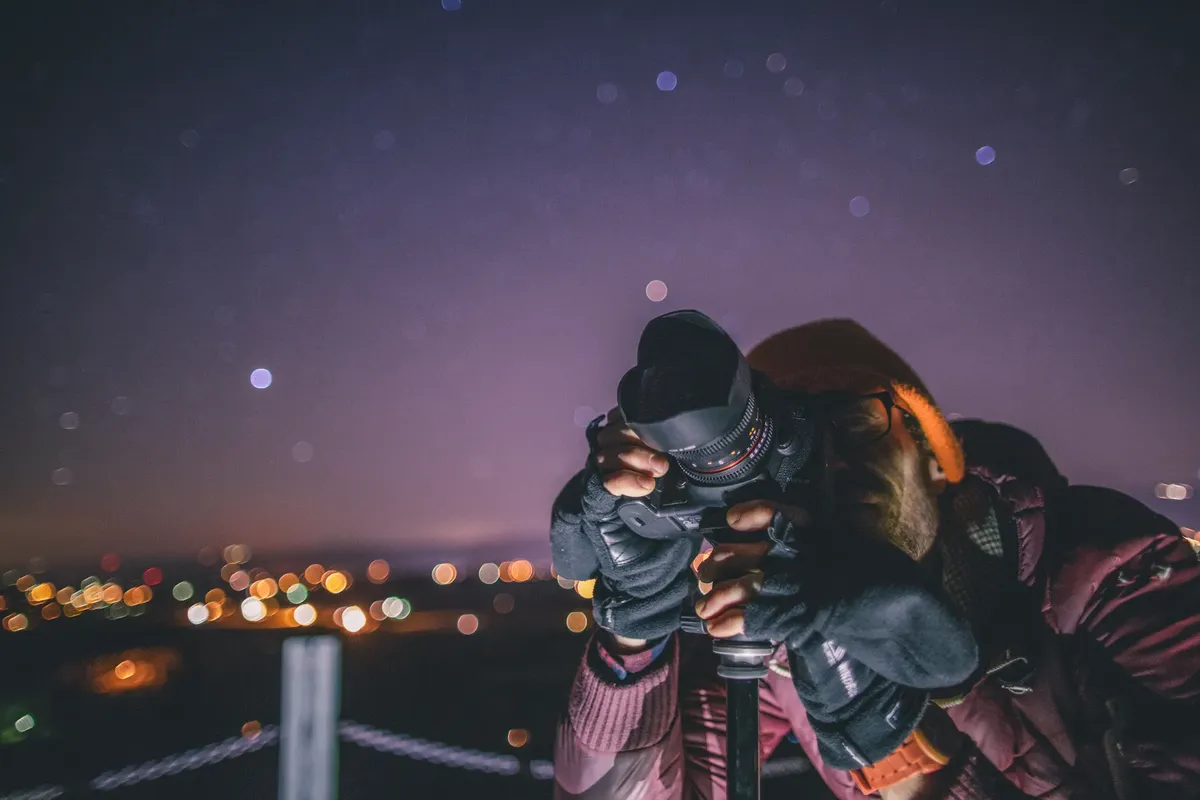
To apply the tips for clear night pictures, focus on minimizing movement and managing light spikes. Use a timer or remote trigger to prevent camera shake caused by pressing the shutter button. This technique is vital for maintaining sharpness in long-exposure shots.
- Secure your camera on a sturdy tripod. 2. Set the focus manually to avoid hunting in the dark. 3. Use a remote release to trigger the shutter.
A final check of the focus and composition before committing to a long exposure can save time. If the focus is soft, try using a flashlight to briefly illuminate the subject before setting the manual focus ring.
The same subject is also called Tips for dark photos.
The same subject is also called Night shooting precautions.
The same subject is also called How to shoot at night safely.
Related


Comments 0