Outdoor lighting selection guide: Best tips for longevity
"The right light can transform a landscape, but choosing the wrong source can lead to wasted energy and unintended environmental consequences."
Effective outdoor lighting selection requires balancing energy efficiency, bulb lifespan, and the specific spectral characteristics of the light source.
This guide covers how to choose between different lamp types, manage power consumption, and consider health impacts through light color temperature.
How to choose the best outdoor lighting selection guide?
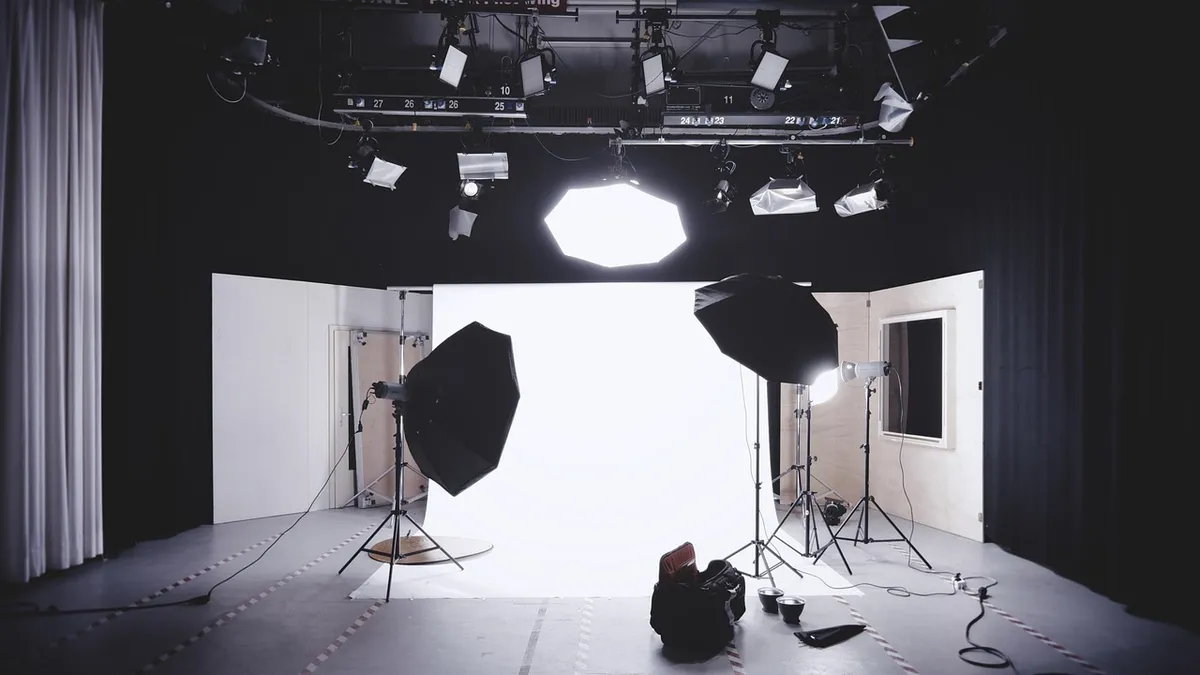
At dusk in the wide field, I squint my eyes while scanning the landscape to find the perfect outdoor guide for my setup.
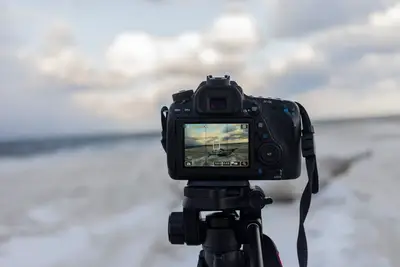
A photographer or designer stands in a field at dusk, adjusting a tripod while eyeing the fading sunlight. Selecting the right equipment involves understanding how much power a lamp consumes compared to traditional sources.
According to the International Association of Lighting Designers, the organization focuses on the advancement of lighting design education and the recognition of independent professional lighting designers.
According to the Energy Saving Trust, LED lamps use only 10% power compared to a standard incandescent bulb, whereas compact fluorescent lamps use 20% and energy saving halogen lamps use 70%. This efficiency makes LEDs a primary choice for modern outdoor setups.
The selection process requires evaluating the specific needs of the environment. Using a high-efficiency source can mitigate the massive energy footprint of lighting, which represents 19% of the world's energy use and 6% of all greenhouse emissions.
- Assess the specific layout of your outdoor space.
- Determine the required brightness levels for different zones.
- Select fixtures that match your architectural style.
How can I make my outdoor lighting last longer?
While standing in the wind-swept garden, I run my hand over the cold metal of a lamp to ensure its outdoor durability.
An empty garden path sits under a single, bright lamp that flickers as the wind blows. Longevity is a critical factor when choosing fixtures that must withstand outdoor elements without frequent maintenance.

Durability often goes hand in hand with modern technology. For instance, the lifetime of certain modern lamps is much longer, reaching up to 50,000 hours. This long-lasting capability reduces the need for frequent bulb replacements in hard-to-reach outdoor locations.
When planning, consider the total energy impact. In the United States, 65 percent of energy consumption is used by commercial and industrial sectors, and 22 percent of this is used for lighting. This scale emphasizes the importance of choosing long-lasting, efficient models.
In this sequence, the second step is the most detailed.
How to use outdoor light while managing health risks?
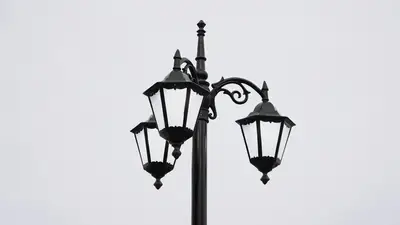
A technician adjusts the brightness of a street lamp, noticing the harsh blue tint hitting the pavement. Managing the color spectrum is vital to prevent negative impacts on the surrounding environment and inhabitants.
According to the Association of Lighting Designers (IALD) is, the International Association of Lighting Designers (IALD) is an organization which focuses on the advancement of lighting design education and the recognition of independent professional lighting designers.
One study conducted by the American Medical Association warned on the use of high blue content white LEDs in street lighting, due to their higher impact on human health and environment, compared to low blue content light sources. This highlights the need for careful color selection.
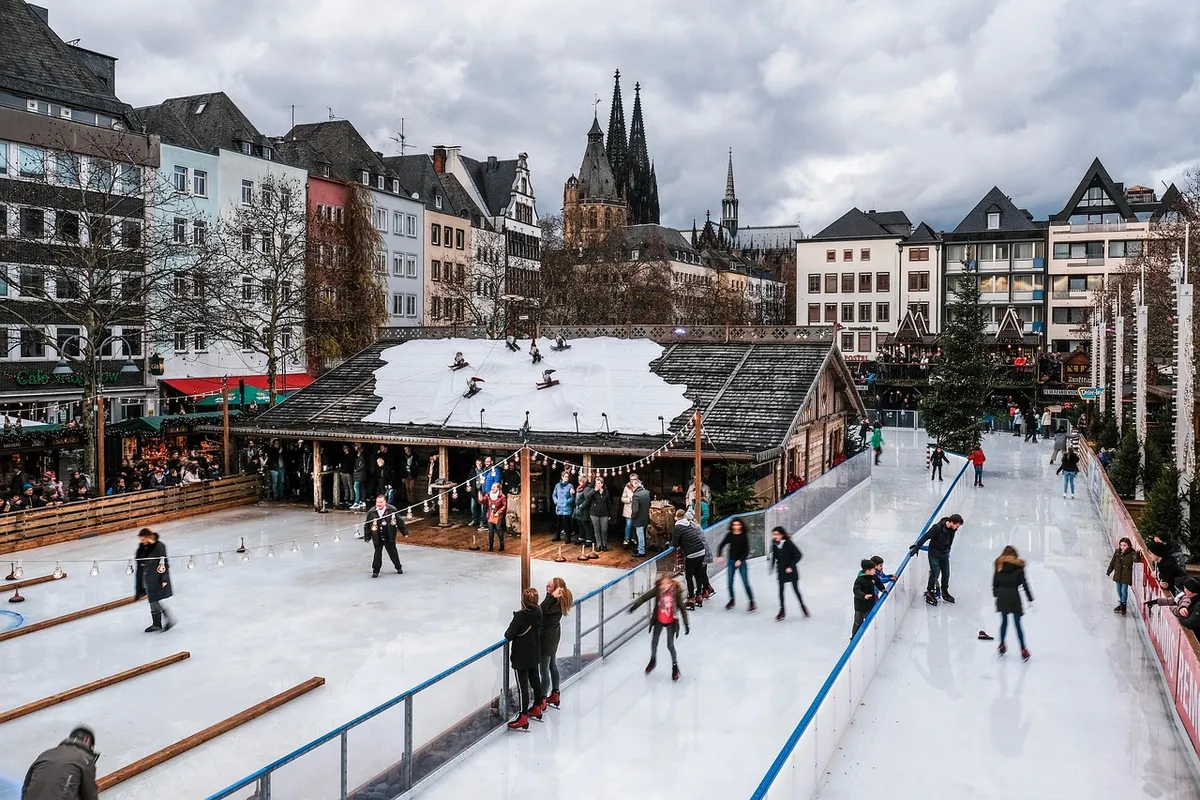
To achieve light harmony outdoors, professionals often look toward standards set by international bodies. The International Commission on Illumination (CIE) is an international authority and standard defining organization on color and lighting.
How do I master natural light and spectral balance?
A photographer adjusts the white balance on a camera while standing under a tree. Balancing artificial light with natural light requires understanding the specific output of different bulb types.
The technical output of a lamp can vary significantly. For example, some modern systems can be 90% more efficient when compared to a halogen downlight or spotlight. This difference changes how light interacts with natural textures.
When aiming for effective light direction techniques, one must consider the spectral quality. Using the right tools ensures that the light does not wash out the natural beauty of the outdoor scene.
Improving photo quality with light through smart planning
A designer sketches a lighting layout on a clipboard while walking through a dark park. Planning for light distribution ensures that the intended mood is captured without excessive glare.
Effective light distribution helps in achieving light harmony outdoors. By understanding the power draw and the beam angle, one can create a balanced atmosphere.
Improving photo quality with light involves more than just brightness. It requires a deep understanding of how different light sources overlap and interact with the environment.
Comparison of lighting technologies
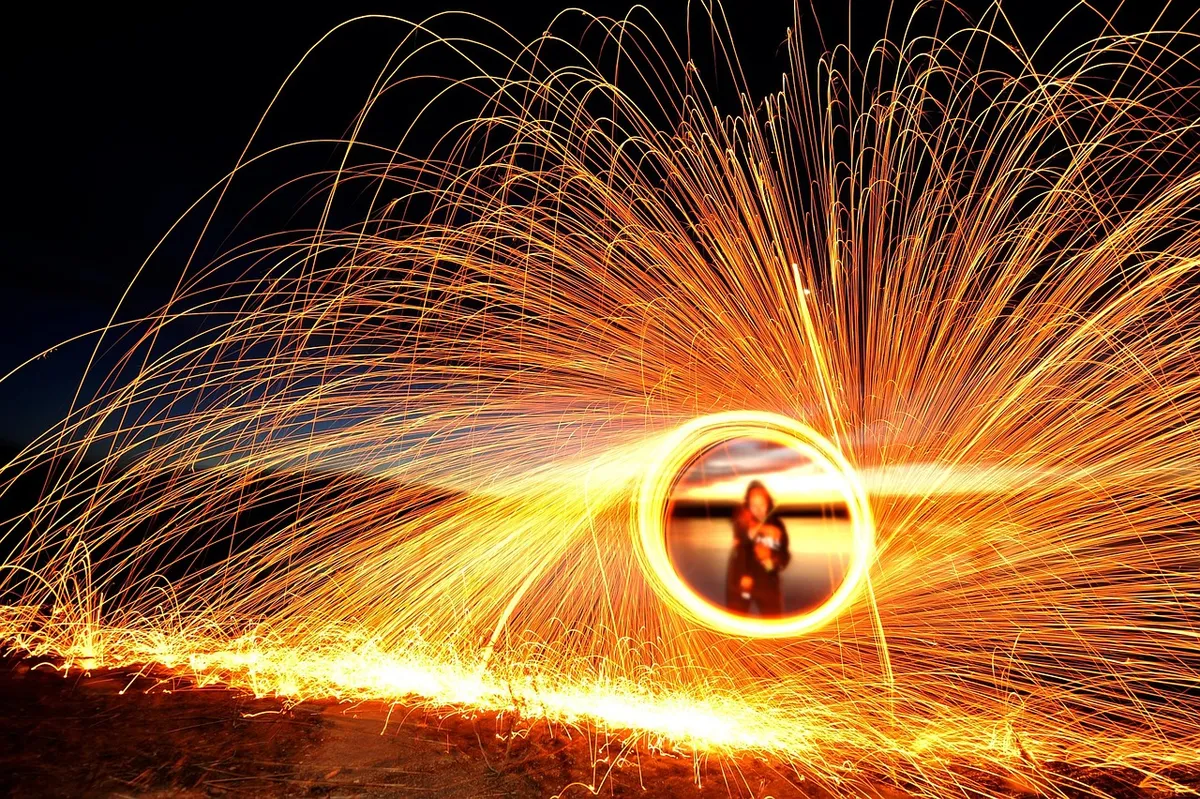
A technician compares two different lamp models on a workbench to see which fits the outdoor housing better. Comparing the specifications of different technologies helps in making an informed decision for specific outdoor applications.
| Lamp Type | Power Usage Relative to Incandescent |
|---|---|
| LED Lamp | 10% |
| Compact Fluorescent | 20% |
I realized that choosing the LED option was the most practical step for the garden project because of the significant power savings.
A limitation remains that high blue content light sources may have a higher impact on human health and the environment.
The subject here is Outdoor lighting selection guide.
The same subject is also called Best outdoor lighting tips.
The same subject is also called Natural light photography guide.
The same subject is also called Controlling outdoor light.
Related




Comments 0