Context guide for your Historical photo archive guide tips
The later part of this article returns to Historical photo archive guide.
"A photograph is not just a captured moment; it is a physical witness to an era that refuses to be forgotten."
This guide explores how to manage collections, protect physical media, and treat your snapshots as living history.
* Understand the difference between a snapshot and a historical record. * Learn the physical requirements for long-term photographic preservation. * Master the technical steps of metadata and digital archiving. * Recognize the value of context in building a meaningful collection.
Why do some snapshots become historical records?
In the morning I hold context and walk through the next step.
When a casual photo captures a specific social movement, a unique architectural style, or a vanishing way of life, it transitions from a private memory to a public asset.
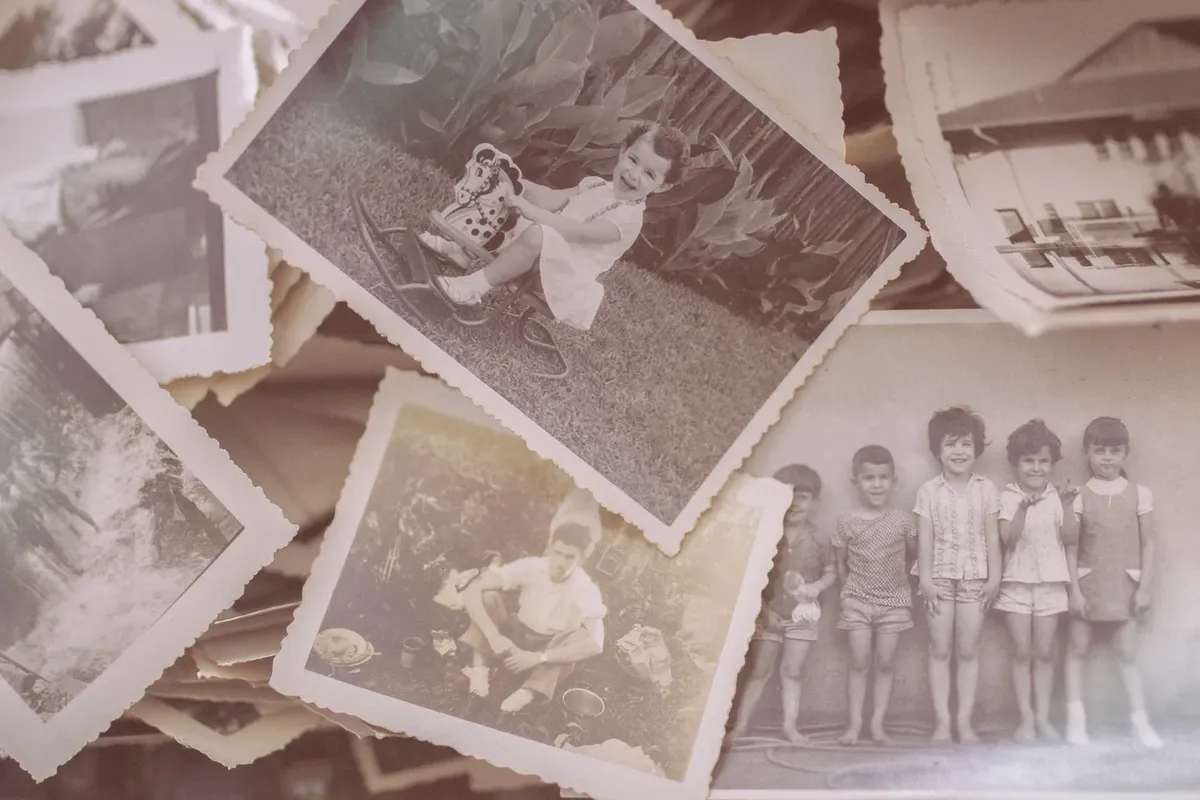
The distinction lies in the intersection of subject matter and context. A photo of a dinner table is a personal memory, but a photo of a dinner table during a specific period of food rationing becomes a historical document.
For an image to serve as a record, it must provide evidence of the conditions, clothing, technology, or social norms of its time.
When I was sorting through my grandfather’s old darkroom supplies in a basement in Vermont, I realized that the most valuable images weren't the posed portraits, but the candid shots of the local hardware store in the 1940s. Those images provided a window into a vanished community.
The transition from a mere image to a record requires intentionality. Without documentation of when, where, and why a photo was taken, the visual information loses its ability to testify to the truth of the past.
How to protect physical collections from decay? Historical photo archive guide
In the evening I hold context and walk through the next step.
An old Polaroid sits on a wooden desk, its colors fading slightly under the warmth of a desk lamp. To prevent total loss, you must understand the chemical vulnerabilities of different photographic processes.
According to the Strabane District Council, a new archive of local film footage was launched in 2023.
Physical preservation is the first line of defense in archive building. Different types of film and paper react differently to light, humidity, and temperature. For example, silver gelatin prints require a different environment than early daguerreotypes or modern inkjet prints.
To maintain a stable environment, follow these core principles of archival storage:
- Use acid-free, lignin-free folders and boxes to prevent chemical transfer to the prints. 2. Maintain a cool, dry environment with stable humidity to prevent mold and silver mirroring. 3. Handle all physical prints by the edges or while wearing lint-free gloves to avoid oil transfer.

A collection is only as strong as its weakest physical link. If the paper base of a photograph degrades due to acidity, the image itself will eventually vanish.
| Storage Type | Primary Risk | Best Practice |
|---|---|---|
| Acidic Paper Envelopes | Chemical yellowing | Use archival-grade, acid-free sleeves |
| High Humidity | Mold and fungal growth | Keep relative humidity between 30-50% |
| Direct Sunlight | UV-induced fading | Store in dark, light-tight containers |
The stability of your archive depends on controlling these variables. If the environment fluctuates wildly, the physical integrity of the collection will fail long before the digital backups do.
How to build a digital archive that lasts?
A computer screen glows in a dark room, displaying a high-resolution scan of a black-and-white landscape. Moving from a physical box to a digital database involves more than just clicking a "scan" button. According to the Pacific Film Archive, the re-opening of the archive was documented in 2016.
Digital archiving is the process of creating a high-fidelity surrogate of a physical object. The goal is not just to have a picture on a hard drive, but to have a digital file that can be independently verified and used for research.
This requires high-resolution scanning and a strict naming convention.
The process of digitizing a collection should follow a specific workflow:
- Scan at a minimum of 600 DPI to capture the fine grain and texture of the original medium. 2. Save master files in uncompressed formats like TIFF to preserve all captured data. 3. Create derivative copies in lighter formats like JPEG for daily viewing and sharing.
A single low-resolution scan is a ghost of the original. To truly archive a photograph, you must capture the nuances of the grain and the sharpness that define the original capture.
I remember the first time I scanned a collection of vintage slides; I realized that if I didn't use a high-quality scanner, the subtle color shifts of the original film were lost forever. The digital version was just a flat approximation.
One limitation to consider is the "digital dark age." If you save files in a proprietary format that becomes obsolete in ten years, your archive will be inaccessible. Always prioritize open, widely recognized file standards to ensure longevity.
What role does metadata play in history?
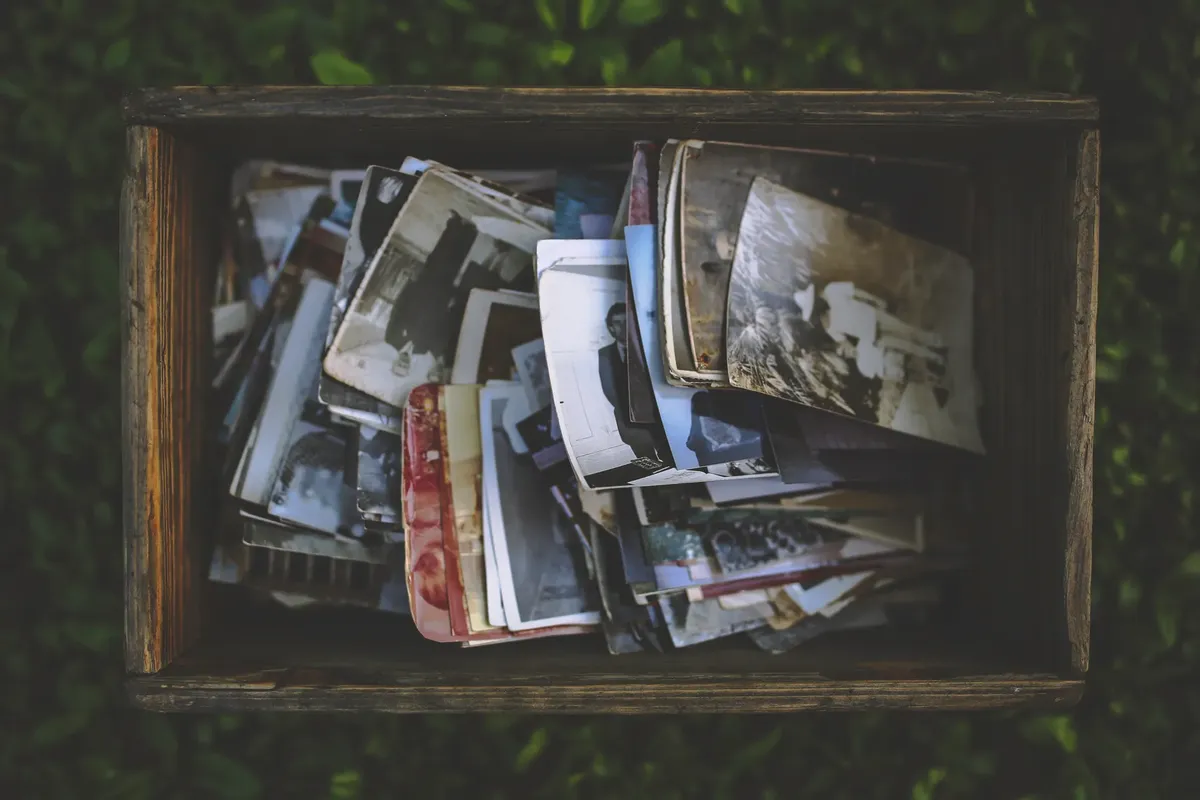
A researcher pulls a single folder from a massive filing cabinet, looking for a specific date. Without a label, the image is a mystery; with metadata, it is a fact. According to the Berkeley Art Museum, the re-opening of the museum and archive occurred in 2016.
Metadata is the data about the data. In photography, this means the information that describes the subject, the location, the date, and the people involved. Without this context, a photo is just an anonymous visual.
A robust metadata strategy includes several layers of information:
* Descriptive metadata: Who is in the photo? What is happening? * Technical metadata: What camera, lens, and film type were used? * Administrative metadata: Who owns the rights? When was it digitized?
The metadata turns a collection into a searchable database. When you can search for "Main Street, 1952" and instantly find ten relevant images, you have successfully built an archive rather than just a pile of pictures.
If you neglect the descriptive elements, you are essentially burying your history in a digital grave. You might have the image, but you have lost the truth it was meant to tell.
How to organize a growing collection?
A heavy wooden cabinet stands against a wall, filled with various sized drawers and compartments. Organization is the bridge between a chaotic pile and a functional archive. According to the Tower Museum, a new archive of local film footage was launched in 2023.
Effective organization requires a hierarchy. You shouldn't just mix everything together; you need a system that categorizes by era, subject, or photographer. This prevents the loss of context that occurs when disparate items are lumped together.
To organize a growing collection, use these steps:
- Establish a primary hierarchy, such as by decade or major event. 2. Assign unique identification numbers to every physical item and its digital twin. 3. Implement a consistent filing system that matches your digital folder structure.
Your physical organization should mirror your digital organization. If the physical box is labeled "Family_1920_1940," the digital folder should carry the exact same designation.

A well-organized system allows for rapid retrieval. It ensures that when a question arises about a specific moment in time, the answer is only a few seconds away.
- Preserving historical photographs requires moving beyond simple digital storage to understanding how light, paper, and context transform a single image into a vital archival record.
- A dusty box of family albums sits in a corner of an attic, its contents waiting for a single person to decide what matters.
- According to the New York Times Web Archive, a battle over a photo went to court in 2007.
The later part of this article returns to Historical photo archive guide.
The same subject is also called Photo collection management.
The same subject is also called Archiving historical images.
The same subject is also called Digital photo records.
The same subject is also called Visual history collection.
This part also covers How photos become history.
This part also covers Managing old photo archives.
This part also covers Photo history and research.
How photos become history
Related








Comments 0