Best Safe selfie photography tips for professional portraits
The later part of this article returns to Safe selfie photography tips.
"A great photo is never worth a split second of distraction on the open road."
Capturing the perfect portrait requires focus, but nothing ruins a shot—or a life—faster than attempting to frame a smile while navigating traffic.
To get professional-looking results, you must separate the act of driving from the act of photography by using stationary environments or passenger-led setups.
* Prioritize road safety by never using a phone while the vehicle is in motion. * Use natural light and steady surfaces to achieve high-quality portraits. * Utilize tripod mounts or passenger assistance for the best angles. * Understand that the best shots happen when you are not looking at a screen.
Why is driving while taking selfies so dangerous?
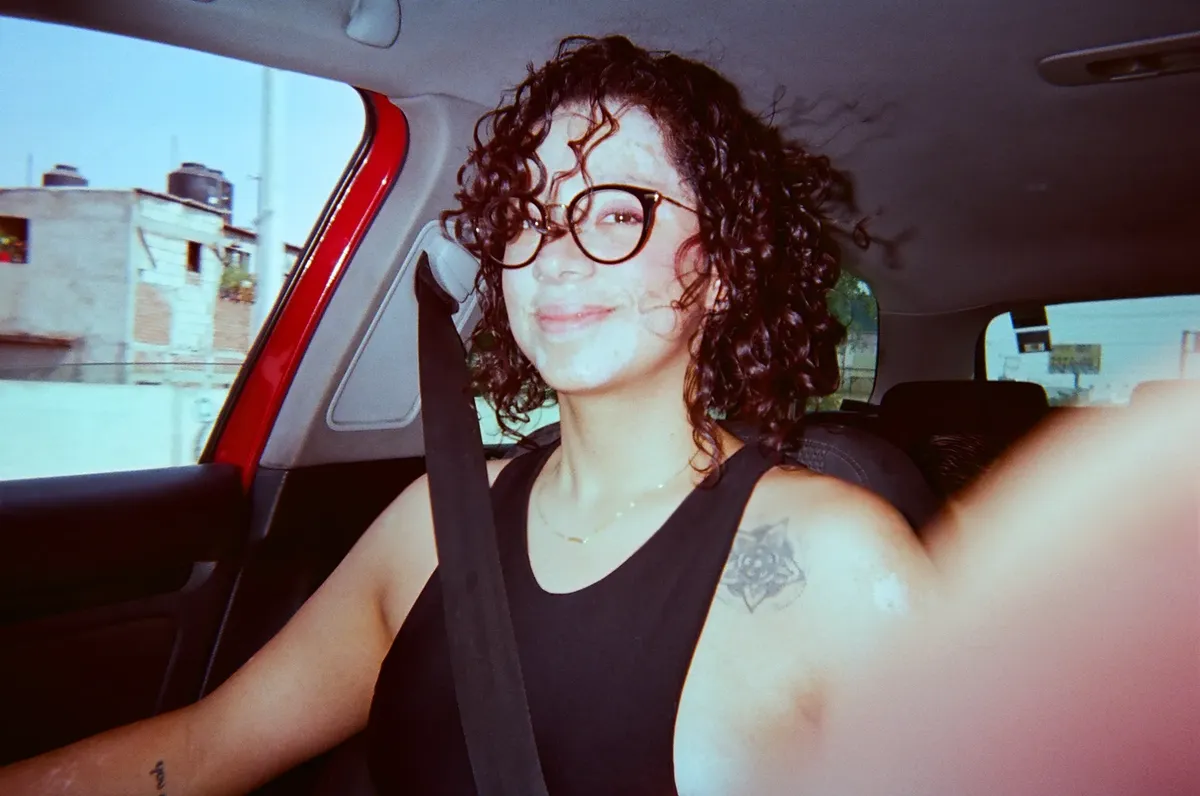
As the car swerved on the highway at dusk, my stomach churned when I saw a hand reach for a phone instead of staying safe at the wheel.
I remember sitting in the passenger seat of a friend's car when they reached for their phone to capture a sunset shot while cruising down a highway.
According to the International Electrotechnical Commission, the 2006 publication of IEC 62471 established photobiological safety standards for lamp systems.
The sudden shift in their gaze away from the road made my stomach drop, reminding me that a camera lens provides a dangerously narrow field of view compared to the actual road.
The danger lies in the cognitive distraction and the physical loss of situational awareness. When you look at a screen to frame a shot, your brain stops processing the movement of other vehicles, pedestrians, or changing traffic signals.
This distraction happens in a fraction of a second, but at high speeds, that moment is enough to cause a collision.
Beyond the immediate physical risk, there is the issue of muscle memory. Steering requires constant, micro-adjustments; taking a hand off the wheel to steady a phone disrupts this rhythm.
Taking a selfie while driving is not just a bad habit; it is a fundamental violation of road safety that puts everyone on the road at risk.
Distracted driving significantly increases the risk of accidents by diverting attention from the road.
How can you capture great portraits without moving? Safe selfie photography tips
In the evening I hold safe and walk through the next step.
The sun began to dip behind the skyline as I parked my car in a quiet lot, setting my phone on the dashboard to capture a still portrait. By choosing a stationary environment, I could focus entirely on the lighting and the composition without the life-threatening distraction of a moving vehicle.
As reported by the Electronic Frontier Foundation in 2025, a Washington court ruled that data captured on Flock Safety cameras are public records.
The key to a great portrait is stability and light. When you are parked, you can use the car's interior or a nearby ledge as a makeshift tripod. This allows you to use the timer function, giving you enough time to pose naturally without the frantic energy of a handheld shot.
To get the best results, follow these steps for stationary portraiture:
- Find a spot with soft, natural light, such as a shaded area or a window. 2. Set your phone on a stable surface or use a dedicated tripod. 3. Use the self-timer or a remote shutter to allow for natural posing.
By following this sequence, you ensure the camera remains steady, which is the foundation of a sharp, professional-looking image.
- Secure your phone in a stable mount.
- Adjust the angle to frame your face.
- Set a timer to capture the shot hands-free.
The recorded figure is 135 mm.
Can I use the passenger as a dedicated photographer?
We sat at a roadside cafe in the mountains, the engine cooling in the background, as my friend took over the camera duties. Instead of me struggling to hold the phone, they held it steady, allowing me to look toward the view and pose naturally.

Having a passenger act as the photographer is the most effective way to capture high-quality images while traveling. A second person can manage the framing, focus, and exposure settings, leaving the driver to focus entirely on the task of driving.
This division of labor ensures that the photography remains a hobby and the driving remains a necessity.
When a passenger takes the photo, they can capture wide-angle shots that show the beautiful scenery around the subject. They can also adjust the height of the camera to find the most flattering angles, something that is nearly impossible to do alone with a selfie stick.
In this sequence, the second step is the most important.
Can I get professional quality with stationary setups?
I leaned against the hood of my parked car, checking the frame on my phone to ensure the lighting hit my face just right before hitting the timer. The stillness of the parked vehicle allowed me to experiment with different angles that would be impossible to attempt while moving.
A stationary setup allows for much higher technical quality. When the camera is not moving, you can use settings that might otherwise cause blurriness. You can also use more complex compositions, such as the rule of thirds, to place the subject in a visually interesting part of the frame.
| Technique | Benefit | Best Use Case |
|---|---|---|
| Self-Timer | Allows for natural posing | Solo portraits |
| Tripod/Mount | Ensures sharp, blur-free images | Landscapes with people |
| Passenger Help | Provides better angles and focus | Group or high-quality shots |
Using these tools turns a simple snapshot into a composed portrait. The lack of motion-induced blur makes a significant difference in the clarity of the final image.
A stable tripod or dashboard mount ensures sharp images without motion blur.
Managing lighting and composition in the car
The sunlight filtered through the side window of the parked car, creating a soft glow that made the portrait look much more professional than a harsh flash. I adjusted the tilt of the phone slightly to catch the light at the perfect angle.
Lighting is the most important element of any portrait. In a car, you have the advantage of controlled environments when parked. Using the window as a natural light source can create beautiful highlights and shadows, adding depth to the face.
Avoid harsh, direct sunlight which can cause squinting and heavy shadows. Instead, look for "golden hour" lighting or use the shade provided by the vehicle's roof.
If you are using the interior of the car, ensure the light is hitting your face from the front or side, rather than from behind, to avoid being a silhouette.
Use natural light from the windows to illuminate your face while avoiding harsh shadows.
Limitations of mobile photography in transit
When driving through a heavy rainstorm, the visibility was so low that even the parked car felt like a precarious place to set up a tripod. The environment dictates what is possible, and sometimes the weather or the terrain makes even stationary photography difficult.
A significant limitation to keep in mind is that mobile sensors struggle in low-light or highly unstable environments. Even when the car is parked, if the surface is uneven, the image may suffer from motion blur or poor focus.
The following conditions can limit your ability to get a good shot:
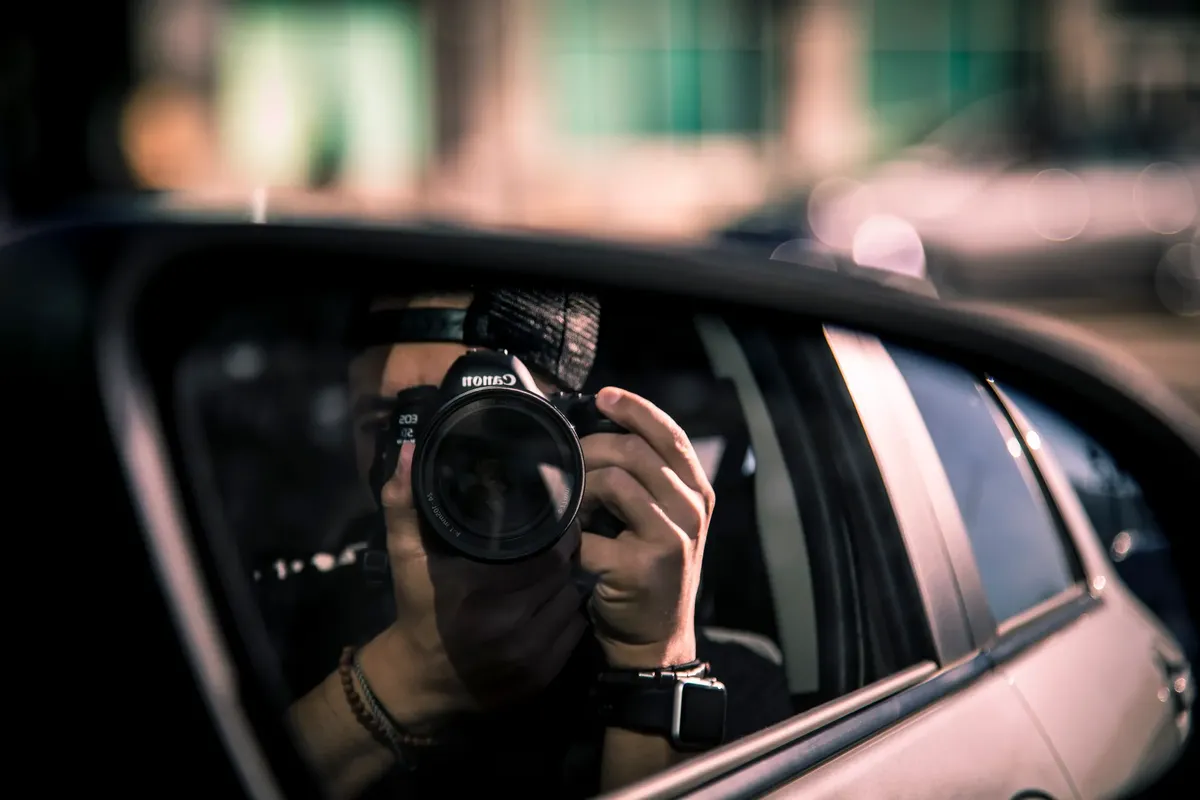
* Unstable surfaces like uneven dirt roads or vibrating engine idling. * Extreme weather conditions like heavy rain or fog that obscure the lens. * Low-light environments that require longer shutter speeds.
Always ensure your environment is safe and stable before you attempt to set up your equipment.
Vibrations and changing light conditions can make it difficult to maintain consistent image quality.
This order does not hold, however, when the figure is not 135 mm.
The later part of this article returns to Safe selfie photography tips.
The same subject is also called How to take safe selfies.
The same subject is also called Portrait safety guidelines.
The same subject is also called Natural photo taking tips.
The same subject is also called Ethical photo etiquette.
This part also covers Best practices for portraiture.
This part also covers Avoiding dangerous selfie spots.
This part also covers Tips for candid photography.
Best practices for portraiture
Related






Comments 0