Pet photo lighting guide: Why light tells soul story
"A single flash can freeze a moment of movement, but the right light tells the story of the soul behind the eyes."
To capture an animal's unique character, effective pet photography demands that you match light sources to the specific environment. This guide covers selecting natural versus artificial light, managing environmental challenges, and utilizing basic gear to enhance portraits.
Key takeaways: * Assess the ambient light before setting up equipment. * Match the light quality to the pet's personality and setting. * Understand that technology cannot fully replace natural environmental factors.
How to select the best light for pet photos?
A photographer stands in a sun-drenched living room, adjusting the aperture while a golden retriever waits patiently by a window. Selecting the right illumination determines whether a pet looks like a living being or a flat subject.
The first step involves evaluating the existing environment to decide between natural light or artificial sources. Natural light provides a soft, organic feel that works well for lifestyle shots, while studio-style lighting allows for more controlled emotional expressions.
Using the right approach ensures the pet's texture and gaze remain the focus.
- Assess the size of the subject to determine the light spread.
- Evaluate the ambient light levels in the room.
- Choose a light source that matches the desired mood.
How do I master lighting for pet photography? Pet photo lighting guide
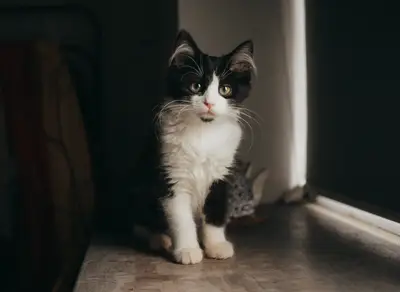
A photographer adjusts a reflector to bounce soft light onto a cat's face in a dimly lit studio. Mastering the basics helps in managing shadows and highlights that can otherwise distract from the subject.
When working with natural light pet portraits, the goal is to use windows or outdoor shade to avoid harsh shadows. For those moving into more controlled environments, studio lighting for pets offers the ability to direct attention precisely.
Using flash on animals requires caution to avoid startling the subject or creating unnatural highlights on fur.
In this sequence, the second step is the most extensive.
How do I work with environmental lighting for pets?
A photographer moves a tripod from a bright balcony to a shaded garden to find the perfect balance. Environmental factors like sun position and indoor shadows change how colors and textures appear on the animal.
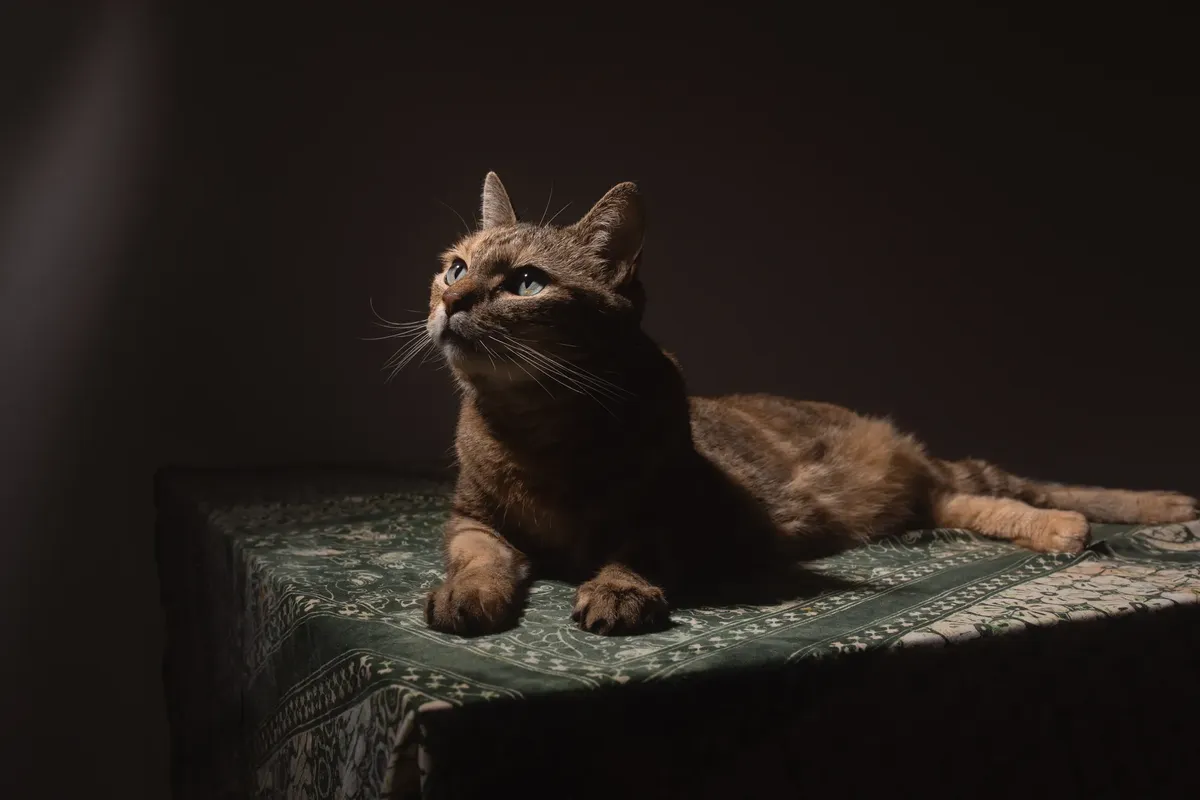
Environmental lighting pets requires an understanding of how light interacts with the surroundings. For example, high-contrast outdoor settings might need diffusers, whereas indoor settings might require extra fill light.
The interaction between the light and the environment can either isolate the pet or integrate them into a scene.
Can we use natural light pet portraits effectively?
A photographer waits for a cloud to pass over the sun to achieve a soft, even glow across a puppy's coat. Natural light is often the most intuitive way to capture a pet's essence in a domestic setting.
Natural light pet portraits rely on finding soft, directional light from windows or overcast skies. This method minimizes the need for heavy gear and keeps the atmosphere feeling authentic.
If the light is too harsh, using a sheer curtain can act as a natural diffuser to soften the subject's features.
How to manage studio lighting for pets?
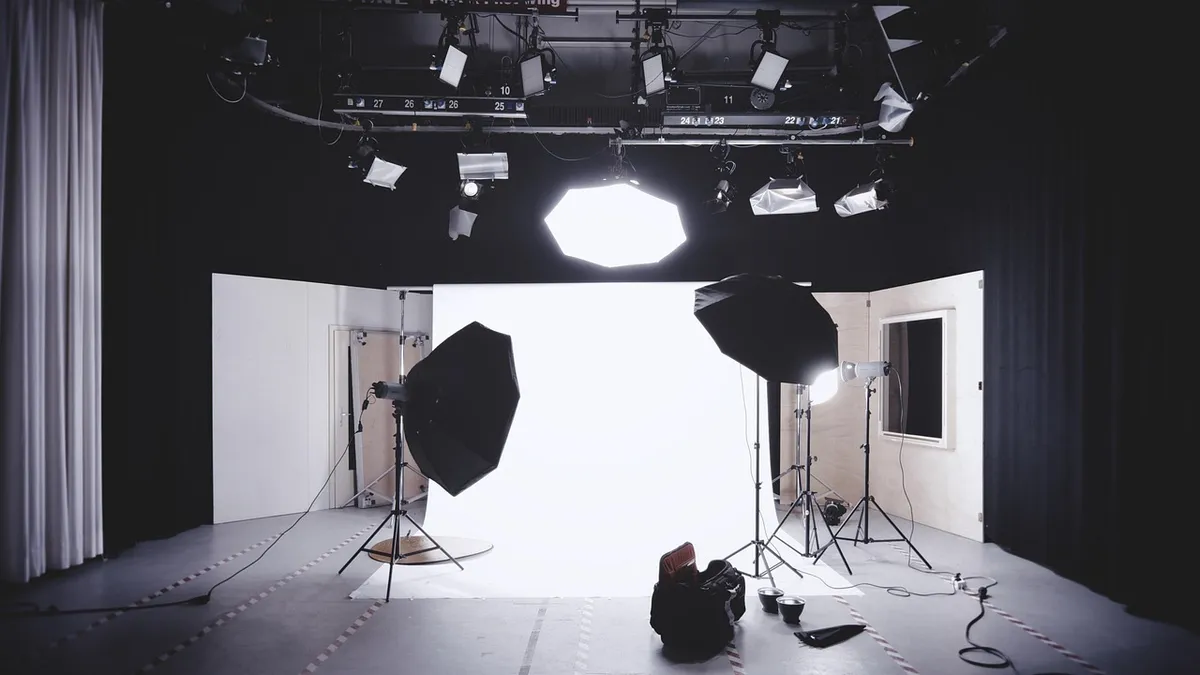
A photographer carefully positions a softbox to illuminate a dog's eyes without creating a white glare. Moving to a studio setup allows for consistent results regardless of the time of day.
Studio lighting for pets provides a professional look by allowing the photographer to control every shadow. By using softboxes or umbrellas, you can mimic natural light while maintaining complete authority over the scene.
This setup is particularly useful for high-detail portraits where fur texture is a priority.
What are the limitations of modern technology in photography?
A photographer looks at a digital screen, noting that even the best sensors cannot perfectly replicate the depth of a perfectly lit moment. Even with advanced equipment, the environment remains the primary factor in image quality.
According to ISO, there are some ISO standards related to recycling, such as ISO 15270:2008 for plastics waste and ISO 14001:2015 for environmental management control of recycling practice.
While technology has advanced, it cannot entirely overcome the physics of light and environment.
For instance, even with high-end gear, sorting facilities in the recycling industry are still not 100% effective in separating materials, and similarly, digital sensors cannot perfectly correct for poor lighting choices.
Just as technology has limits in physical processing, it cannot substitute for fundamental lighting principles.
The subject here is Pet photo lighting guide.
The same subject is also called Pet photography lighting.
The same subject is also called How to light pets well.
Related
- Pet photography lighting tips: How to manage light sources
- Path based landscape shooting why movement helps capture
When should I consider using a single flash?
When the ambient light fails to provide sufficient illumination, a single flash can serve as a powerful supplemental tool. This technique is best employed when you need to freeze a moment of movement that would otherwise blur in low light. Applying a single flash requires consideration of the pet's reaction to the sudden burst of light.
How does light quality affect the pet's expression?
The quality of the light directly influences the perceived emotion captured in the pet's eyes. Soft light encourages a gentle, approachable mood, whereas direct, hard light can emphasize texture but might appear more dramatic or intense. Matching the light quality to the pet's personality helps the viewer connect with the animal.
Managing the interplay between natural and artificial light demands careful observation. A photographer must assess how the existing environment interacts with any added light source.
This assessment dictates whether the final image will feel integrated into a scene or isolated by strong illumination.


Comments 0