How do wide angle lenses affect the composition?
"The difference in perspective distortion between 85mm and 135mm lenses is rather subtle."
Effective backlight portrait photography guide requires selecting the right focal length to frame the subject while managing light direction.
This guide covers lens selection for various formats, how to shoot with backlight using specific focal ranges, and portrait lighting techniques for head-and-shoulder shots.
Key takeaways include understanding the relationship between sensor size and focal length, choosing between subtle distortion ranges, and managing field of view.
What are the best focal lengths for a backlight portrait photography guide?
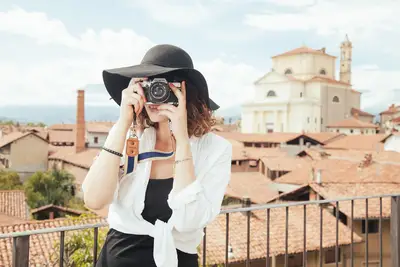
A photographer stands in a sun-drenched field, adjusting the zoom ring on a heavy lens to frame a subject's face. Selecting the right equipment is the first step in any backlight portrait photography guide to ensure the subject remains the focus.
For 135 film format cameras, typical portrait lenses used to capture head-and-shoulder shots feature focal lengths between 75 and 135 mm. These lenses yield a diagonal angle of view between 18 and 32°.
When using these specific ranges, the difference in perspective distortion between 85mm and 135mm lenses is rather subtle.
For medium and large format cameras, achieving the same angles of view requires much longer focal lengths. These range from approximately 150 to 400 mm, depending on the specific frame size being used. Choosing the right distance ensures the light wraps around the subject effectively.
Telephoto lenses between 85mm and 135mm are ideal for backlighting because they compress the background and create a beautiful bokeh effect. For a more environmental feel, a 50mm lens offers a natural perspective that balances the subject with their surroundings.
How can I use different sensor sizes for portrait lighting techniques?
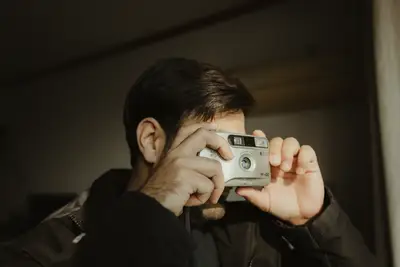
A photographer swaps a lens on a digital body, noting how the crop factor changes the perceived distance to the subject. Applying various portrait lighting techniques often requires adjusting for the specific sensor size of the camera.
Using a 50 mm lens provides a 47° angle of view on a 35mm film format. This is a common starting point for versatile shooting. For instance, the Canon EF 50mm f/1.8 II is a low-cost option, but when used on a 1.6× cropped sensor, it yields an 80mm equivalent focal length.
This 80mm equivalent is at the wide end of portrait lenses. When working with these dimensions, the photographer must be mindful of how the background interacts with the subject. This adjustment is vital when the subject is close to the lens.
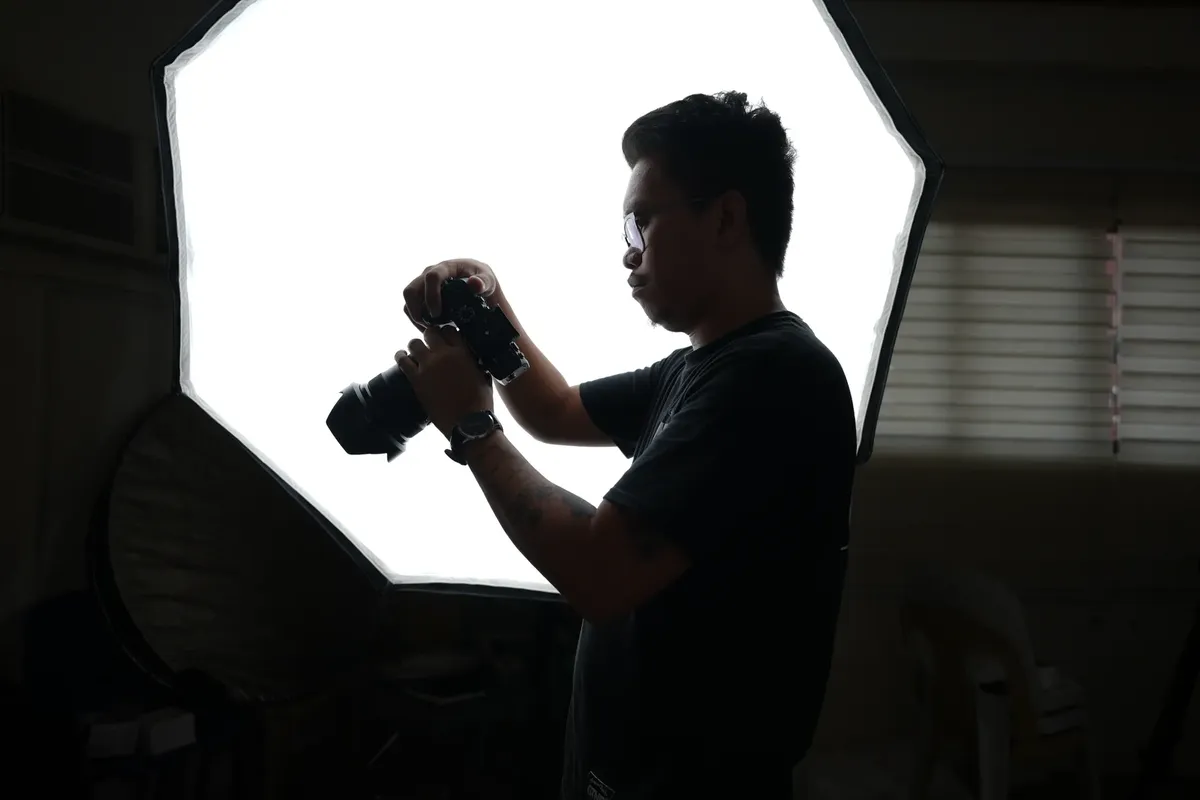
Full-frame sensors provide a shallower depth of field, making it easier to isolate a subject against a backlit background. Smaller sensors, such as those in APS-C cameras, effectively increase the perceived focal length, which can help achieve tighter shots without changing lenses.
What is the limit for comfortable portraiture with 35mm film cameras?
A photographer moves backward, stepping away from a subject to find a more flattering angle for the shot. Understanding the upper limits of equipment helps in managing the composition of a backlit scene.
The 200 mm focal length is suggested as the upper limit for comfortable portraiture with 35mm film cameras. This specific length gives an angle of view of 12.5°. Using longer lenses can help isolate the subject from a busy background.
While longer lenses provide compression, they require more physical space. A photographer must ensure they have enough room to operate. If the space is tight, a different approach may be necessary.
The primary limit is the fixed relationship between focal length and film frame size, which requires careful physical positioning to maintain subject proportions. Additionally, managing exposure becomes more critical since film has a specific latitude when dealing with high-contrast backlight.
How do wide angle lenses affect the composition?
A photographer kneels in the grass, pointing a wider lens toward a group of people to capture the environment. Incorporating wide-angle elements can change the mood of the shot.
Groups up to 3 m (9.8 ft) wide can be captured with a moderate wide-angle lens. For example, a 35 mm lens provides a 63.5° angle of view on a 35mm film format. This allows for more environmental context in the frame.
Using wider shots requires careful positioning to avoid distorting the subject's features. When the subject is in the center, the composition remains balanced. This is useful for capturing the atmosphere alongside the person.
Wide-angle lenses introduce significant perspective distortion, which can make subjects appear stretched if they are too close to the lens. When shooting with backlight, these lenses capture more of the environment, making the light source a larger part of the overall composition.
How to shoot with backlight while managing focus?
A photographer adjusts the focus ring, watching the light flare through the glass elements. Mastering how to shoot with backlight requires understanding the optical properties of the lens.
Some specialized lenses, such as the Canon EF 135mm f/2.8 with Softfocus, are designed with a controllable amount of soft focus. This can add a dreamlike quality to backlit portraits. Such tools allow for creative expression through light.
The lens elements themselves play a role in the final look. One historical lens had a field of view of 30°, a focal length of 150 mm, and a fast f-number of f/3.6, composed of four elements in three groups. These technical specifications dictate how light enters the camera.
What are the limitations of portrait lens selection?
A photographer looks at the lens mount, considering the compatibility of the glass with the camera body. Every choice involves a trade-off between magnification and field of view.
The cheapest portrait lenses are often normal 50 mm lenses used on a cropped sensor. While affordable, these may not always provide the compression seen in longer telephoto lenses. This is a common consideration for beginners.
The primary limitation is that focal length and sensor size must be balanced to achieve the desired framing. For example, a lens designed for one format will behave differently when mounted on another.
| Lens Focal Length | Angle of View (Approx.) |
|---|---|
| 35 mm | 63.5° |
| 200 mm | 12.5° |
I found that choosing between an 85mm and a 135mm lens provides a subtle difference in perspective distortion.
A major limitation is the trade-off between aperture and focal length; while wide apertures allow for better subject separation, they can make depth of field management difficult. Furthermore, choosing a lens that is too long may make it difficult to capture the subject's environment or move around them easily.
- What are the best focal lengths for a backlight portrait photography guide?
- How can I use different sensor sizes for portrait lighting techniques?
- What is the limit for comfortable portraiture with 35mm film cameras?
Related
How does lens choice influence the difference in perspective distortion?
The difference in perspective distortion between 85mm and 135mm lenses is rather subtle, which is a key consideration when framing a subject. When using 135 film format cameras, the focal lengths between 75 and 135 mm produce a diagonal angle of view between 18 and 32°. Choosing a focal length within this range allows the photographer to manage how the subject appears in the frame.
When should one consider the difference in perspective distortion?
One should consider the difference in perspective distortion when shooting head-and-shoulder shots with 135 film format cameras. These specific portrait lenses are designed to capture the subject effectively while maintaining a controlled field of view. The subtle nature of the difference means that small adjustments in focal length can yield noticeable, yet slight, variations in how features are rendered.
When comparing lens usage across formats, the requirement for longer focal lengths on medium and large format cameras becomes apparent.
These longer focal lengths, ranging from approximately 150 to 400 mm, are necessary to achieve angles of view comparable to those obtained with shorter lenses on smaller formats. This necessity influences how the photographer manages the light wrapping around the subject.




Comments 0