Energy efficiency guide: AI lighting choice guide
"The right light is not just about visibility, but about the careful balance of energy, color, and human impact."
Understanding how to select the right lighting involves balancing energy efficiency, color standards, and health considerations. This guide covers how to evaluate power usage, color implications, and basic placement techniques to achieve professional results.
You will learn to compare lamp types, understand color authorities, and apply basic staging principles. A significant limitation is that while digital tools assist, physical placement remains critical to avoiding health impacts from high blue content.
How can I compare energy efficiency for an AI lighting choice guide?
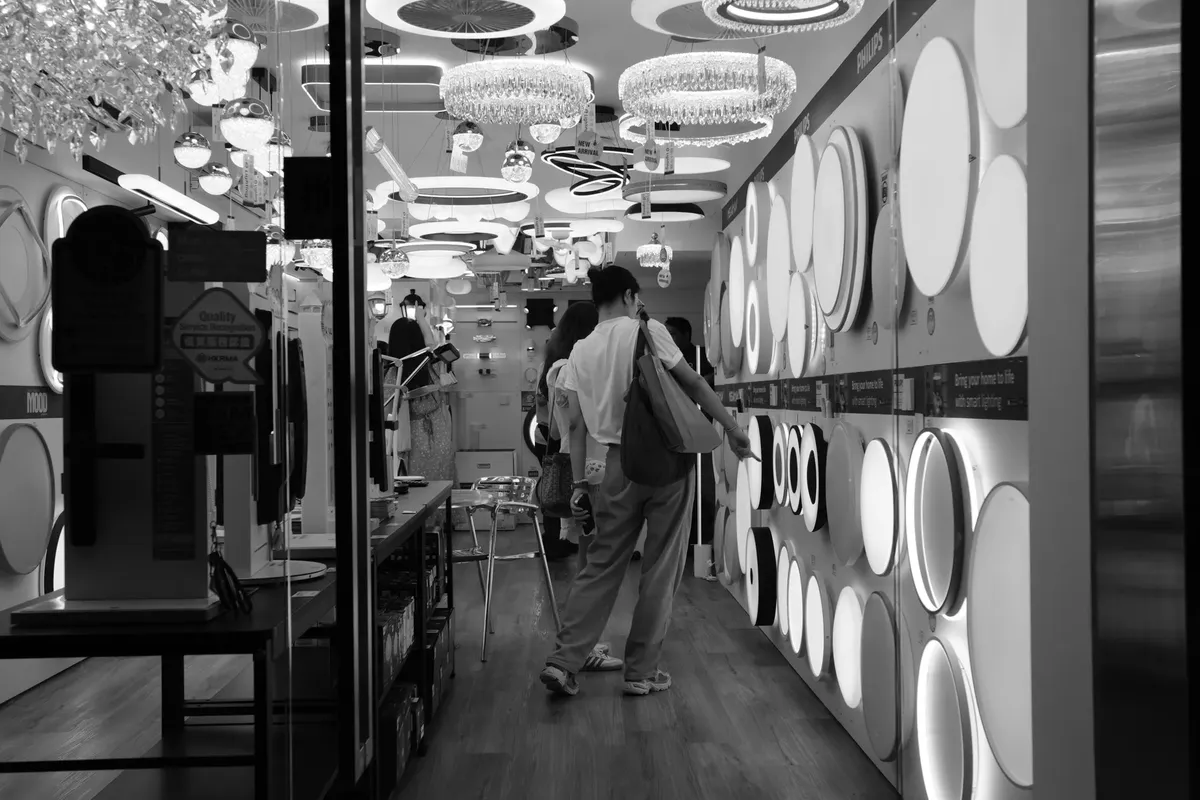
A photographer adjusts a dimmer switch to see how brightness changes with power consumption. When selecting new equipment, you must understand the drastic differences in power draw between various bulb technologies.
According to the Energy Saving Trust, LED lamps use only 10% power compared to a standard incandescent bulb, where compact fluorescent lamps use 20% and energy saving halogen lamps 70%.
This massive difference in efficiency means that transitioning to LED technology significantly reduces the energy footprint of a studio or workspace.
Because these modern lamps offer much longer lifespans, they are easier to maintain over long periods. The lifetime is also much longer — up to 50,000 hours. Using these figures helps in calculating the long-term value of an AI lighting choice guide when upgrading a professional setup.
- Check the lumens per watt rating of each bulb.
- Evaluate the standby power consumption of the AI controller.
- Compare the expected lifespan against the initial energy cost.
What are the standards for color and professional design?
At noon, I pulled a color swatch close to the lamp to feel the warmth of the energy radiating from the bulb.
A designer pulls a color swatch to match the light temperature in a room. To ensure consistency across different environments, professionals rely on established international authorities.
According to the Association of Lighting Designers (IALD) is, the International Association of Lighting Designers (IALD) is an organization which focuses on the advancement of lighting design education and the recognition of independent professional lighting designers.
According to The International Association of Lighting Designers, the organization focuses on the advancement of lighting design education and the recognition of independent professional lighting designers.
The International Commission on Illumination (CIE) is an international authority and standard defining organization on color and lighting. Using these standards ensures that the colors captured in a photo or perceived in a room remain accurate to global benchmarks.
The International Association of Lighting Designers (IALD) is an organization which focuses on the advancement of lighting design education and the recognition of independent professional lighting designers.
Professionals often look to such organizations to stay updated on the latest design education and industry recognition.
In this sequence, the second step is the longest.
What health risks should I consider when selecting lights?
At midnight, I rubbed my tired eyes as the harsh blue light sapped my remaining energy.
A person looks up at a bright street lamp and notices the harsh blue tint. When choosing light sources, the spectral composition—specifically blue light—is a vital factor for both human health and environmental impact.
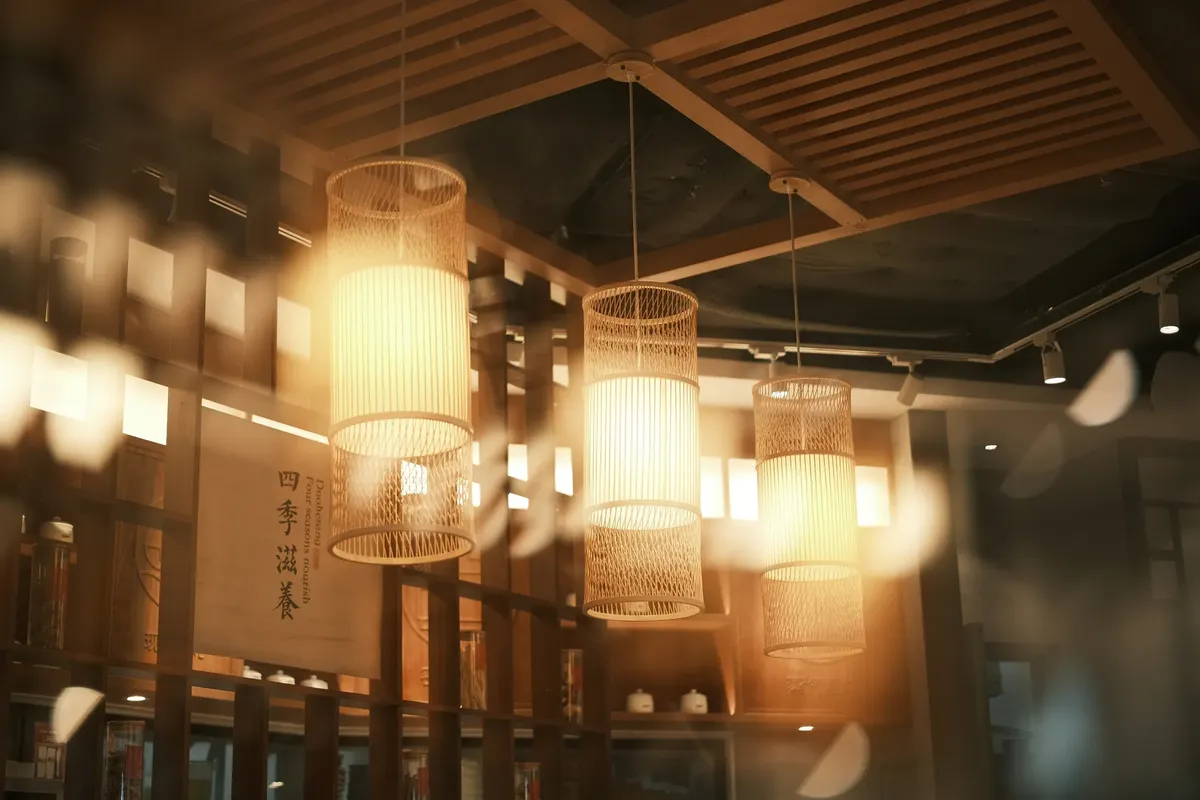
For instance, one study conducted by the American Medical Association warned on the use of high blue content white LEDs in street lighting, due to their higher impact on human health and environment, compared to low blue content light sources.
This serves as a reminder that high-intensity blue light can disrupt circadian rhythms and affect visual comfort.
When using an AI lighting choice guide, you must consider the specific wavelength of the bulbs you install. Selecting low blue content sources can mitigate these environmental and physiological concerns.
How do I apply basic lighting principles to an object?
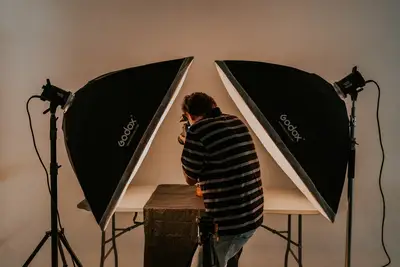
An artist places a subject on a table and begins arranging three different lamps around it. To create depth and dimension, you can follow a classic three-point method to illuminate a subject effectively.
- Position two lights at 45-degree angles to the left and right of the subject to create soft shadows and depth. 2. Place one light at 90 degrees, perpendicular to the front of the object, to provide a clear key light. 3. Check the balance of the shadows to ensure the subject is well-defined but not washed out.
I remember testing this exact method during a studio session to see how the shadows fell on a textured sculpture. It is a fundamental way to understand how light interacts with three-dimensional forms.
How does power output affect light color?

A technician adjusts the wattage on a heavy-duty lamp to see how the brightness shifts. The relationship between power and light output is not always linear, and understanding this helps in precise control.
A 1000-watt instrument at 50 percent power will emit a higher percentage of orange light than a 500-watt instrument operating at full power. This characteristic is important when you need to manipulate the warmth or coolness of a scene.
An AI lighting choice guide should account for these physics-based shifts in color temperature when adjusting brightness. Understanding these nuances allows for much more precise control over the atmosphere of a shot.
Related
- Light affects phone photos: Mobile photo lighting guide tips
- How Choosing lights for photography creates depth and shape
How does the placement of light affect the perceived right light?
The placement of the right light dictates how shadows fall across a subject. Positioning lights at angles, as described in the three-point method, directly influences the sense of depth an image conveys.
Adjusting the angle of the light source changes the intensity and softness of the resulting shadows.
When comparing different placements, a light placed directly perpendicular to the object yields a key light that defines form clearly. Conversely, lights positioned at a 45-degree angle introduce softer shadows, which can create a more dimensional and less harsh look to the subject.
The careful arrangement of these light sources is what transforms simple illumination into a deliberate artistic choice. This staging process ensures the right light supports the intended mood or narrative of the scene.
What conditions necessitate careful consideration of light color?
Situations requiring color accuracy demand adherence to established standards from bodies like the CIE. If the goal is to reproduce colors faithfully, the light source's color temperature must align with global benchmarks.
When comparing light sources for color rendition, the spectral composition becomes paramount. High blue content, for example, presents a specific condition that must be managed, especially when considering human health.
Understanding these conditions allows a user to select the right light that meets both aesthetic and physiological requirements for the intended application.





Comments 0