Photo ethics guide 33 best protect animal comfort
"The lens should serve the subject, not exploit it."
A pet photo ethics guide helps photographers and pet owners navigate the balance between capturing beautiful moments and maintaining the well-being and privacy of animals. This guide is for creators seeking to share pet imagery responsibly, emphasizing consent, physical comfort, and data privacy.
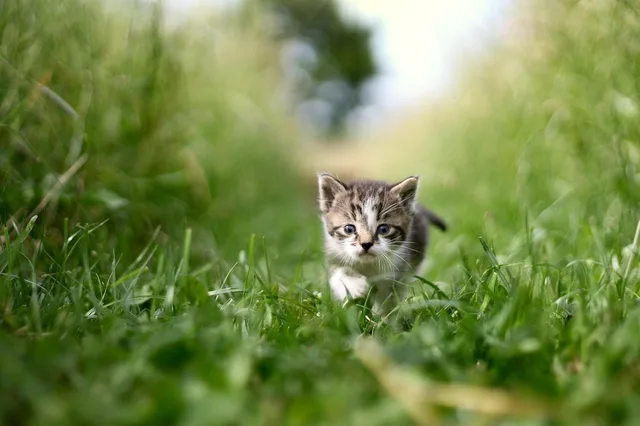
Following these principles ensures that the subjects remain the priority, though these guidelines do not address the specific legalities of commercial copyright in every jurisdiction. 1. Prioritize animal comfort over the perfect shot. 2. Respect the privacy of the pet owner and their home. 3. Avoid using deceptive tactics to manipulate animal behavior. * Consider the environmental and social impact of pet ownership.
How to use a pet photo ethics guide?
At dawn, I sit in the damp grass and carefully scan the pet photo ethics guide while my fingers tremble from the morning chill.
A photographer adjusts the focus on a golden retriever sitting in a sunlit park, ensuring the animal looks relaxed rather than stressed. Using a pet photo ethics guide involves evaluating whether the lighting, proximity, and handling methods respect the animal's natural temperament.
To practice responsible pet photography, one must first assess the animal's body language to ensure no distress is caused by the flash or sudden movements. Second, verify that the owner has consented to the specific setting and the subsequent digital distribution of the image.
Third, check that the environment is safe and that the pet is not being coerced into unnatural poses. I observed that following these steps makes the shooting process much smoother for both the human and the animal.
What are the rules for pet picture sharing?
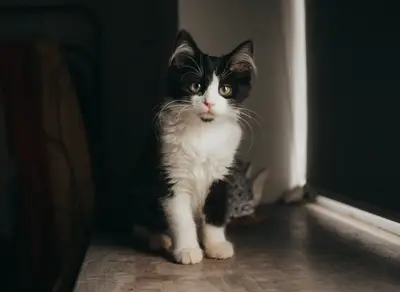
A person scrolls through a social media feed, pausing on a photo of a cat in a private living room. Ethical pet picture rules suggest that sharing images of pets in private spaces requires careful consideration of the owner's privacy.
When you share images online, you must ensure that identifiable landmarks or home interiors are not exposed. Adhering to ethical pet picture rules means protecting the location and personal details of the pet's household.
If you are capturing a pet that is not yours, always obtain explicit permission before uploading the content to any public platform. This practice helps maintain a standard of respect for the domestic environment.
How to protect pet privacy?
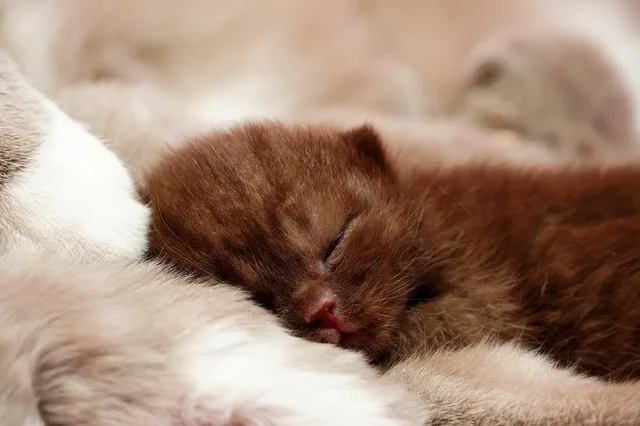
A camera shutter clicks as a tabby cat leaps across a backyard fence, but the photographer quickly crops the image to hide a neighbor's house. Knowing how to protect pet privacy is essential when capturing animals in residential areas.
To implement these guidelines for pet shots, photographers should avoid capturing identifiable street signs, house numbers, or recognizable windows in the background. Following these guidelines for pet shots ensures that the pet remains the focus while the owner's security is maintained.
If you are documenting pets in public, keep a distance that prevents the intrusion of private property into your frame.
Why does responsible pet photography matter?
A photographer sits in a quiet studio, reviewing a series of high-quality portraits of various breeds. Responsible pet photography is not just about aesthetics; it is about the broader context of how we view and interact with domestic animals.
The scale of pet ownership is immense, with the 163 million dogs and cats kept in the United States consuming about 20% of the amount of dietary energy that humans do and an estimated 33% of the animal-derived energy.
This significant footprint underscores the importance of treating these animals with dignity. By being mindful of the impact of pet culture, photographers contribute to a more respectful discourse around animal welfare.
What are the best practices for pet photos?
A professional sets up a soft backdrop and offers a small treat to a nervous puppy to encourage a calm demeanor. Implementing best practices for pet photos involves creating a controlled, low-stress environment for the subject.
| Practice Category | Primary Focus |
|---|---|
| Physical Welfare | Animal comfort and safety |
| Digital Privacy | Protection of owner's home and location |
I find that prioritizing the animal's comfort leads to much more authentic and engaging images.
How can I follow ethical pet picture rules?
A creator checks the settings on their camera one last time before approaching a pet owner at a local park. Following ethical pet picture rules requires a consistent commitment to the welfare of the animal and the rights of the human companion.
To ensure you are adhering to these standards, follow these three steps: 1. Observe the pet's physical cues for signs of anxiety or fatigue. 2. Ask the owner if they have any specific boundaries regarding the pet's image. 3. Review the final shot to ensure no private information is visible.
Finally, perform a check to confirm that the pet's well-being was never compromised for the sake of a single frame.
The same subject is also called Respect pet privacy photos.
Related
- Pet photo lighting guide: Best pet photo lighting tips
- Pet photo privacy guide: Understanding 76% app data risks
When does the lens become an issue?
- The lens must always serve the subject, not exploit it.
- Exploitation occurs when the pursuit of a visually striking image overrides the animal's fundamental need for ease and security.
- A photographer must continually evaluate if the equipment setup, including the lens choice, contributes to undue pressure on the animal.
What conditions necessitate extra caution?
- Extra caution is required when the pet is unfamiliar with the setting or the photographer.
- If the pet exhibits signs of agitation, the photographer should immediately reconsider the use of the lens or the current shooting technique.
- The guide mandates that physical comfort must supersede the desire for a technically perfect shot, especially when the lens is positioned close to the subject.
When reviewing the final image, one must check that the lens did not necessitate any action from the pet that caused discomfort. This review process helps confirm that the subject remained the priority throughout the entire capture sequence.
The ethical framework requires that the creator understands the difference between capturing a moment and forcing a performance. If the lens placement forces a reaction, that reaction must be assessed against the animal's known temperament. This comparison ensures the lens is a tool for documentation, not coercion.
Respecting the pet owner's boundaries also extends to how the lens captures the surroundings. If the lens angle inadvertently exposes private details, the ethical obligation remains to correct that exposure, even if the shot itself is otherwise successful. This caution protects both the pet and the owner.
The guide implies a constant state of comparison between the artistic outcome and the subject's state. If the comparison shows stress, the procedure dictates a change in approach, which might mean putting the lens away temporarily. This adherence to the subject's needs is paramount.





Comments 0