Pet photo privacy guide: Understanding 76% app data risks
"The lens captures a moment, but the digital footprint lasts a lifetime."
A pet privacy guide requires balancing the desire for beautiful imagery with the necessity of protecting personal and digital boundaries. This guide focuses on maintaining ethical standards during photography, managing data risks, and understanding the implications of digital sharing for pet owners.
Key takeaways include recognizing data privacy risks in apps, understanding the permanence of digital captures, and following responsible photography practices.
How to respect pet privacy in the digital age?

In the quiet living room at dusk, I squint at the screen and realize the background of the pet photo reveals my house key.
A photographer adjusts the focus on a golden retriever while a smartphone rests nearby, ready to upload the shot. Establishing a pet privacy guide begins with understanding that a photo of a pet often includes identifiable elements of a person's home or location.
The digital landscape presents unique challenges for those capturing life through a lens. According to Minen (et al.), 76% of apps had clear privacy policies, but 55% of apps stated that using the user data from these apps involved giving data to third parties for the use of advertising.
This reality means that every uploaded pet photo could contribute to a much larger data profile.
Ethical pet photography involves more than just getting the lighting right; it requires a conscious decision about what is being shared. When a pet is photographed in a private residence, the background may inadvertently reveal sensitive information.
Responsible pet photos should prioritize the subject while minimizing the exposure of the owner's private life.
What are the risks of sharing pet photos online? Pet photo privacy guide
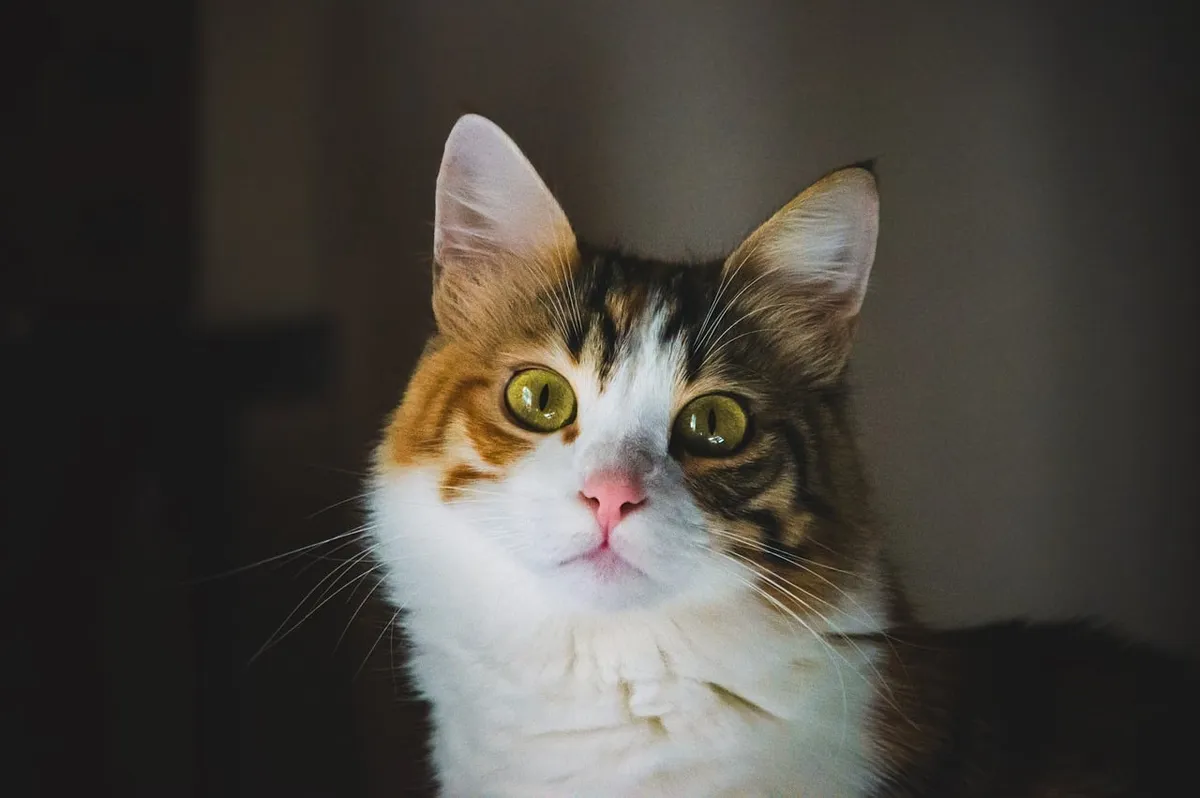
While scrolling through a feed at midnight, I feel a sudden chill as I realize the street sign in the pet photo reveals my exact location.
A user scrolls through a social media feed, pausing at a high-resolution image of a tabby cat sitting on a designer rug. This simple act of sharing can lead to unintended consequences regarding information security and personal privacy.
The primary risk involves the metadata and background details embedded in digital files. While the subject is an animal, the context often provides a roadmap to the owner's location or lifestyle.
Guidelines for pet shots should include checking for background details like mail, street signs, or unique house features before hitting the publish button.
Data privacy is a significant concern when using specialized photography applications. Because many apps facilitate data sharing, an image of a pet can become a tool for targeted advertising.
Maintaining a pet privacy guide means being aware that your pet's likeness is being processed by third-party algorithms the moment it is uploaded.
How can I implement ethical pet photography?
A photographer carefully cleans a camera lens before setting up a portrait session in a backyard. Transitioning from casual snapshots to professional-level captures requires a structured approach to ethics.
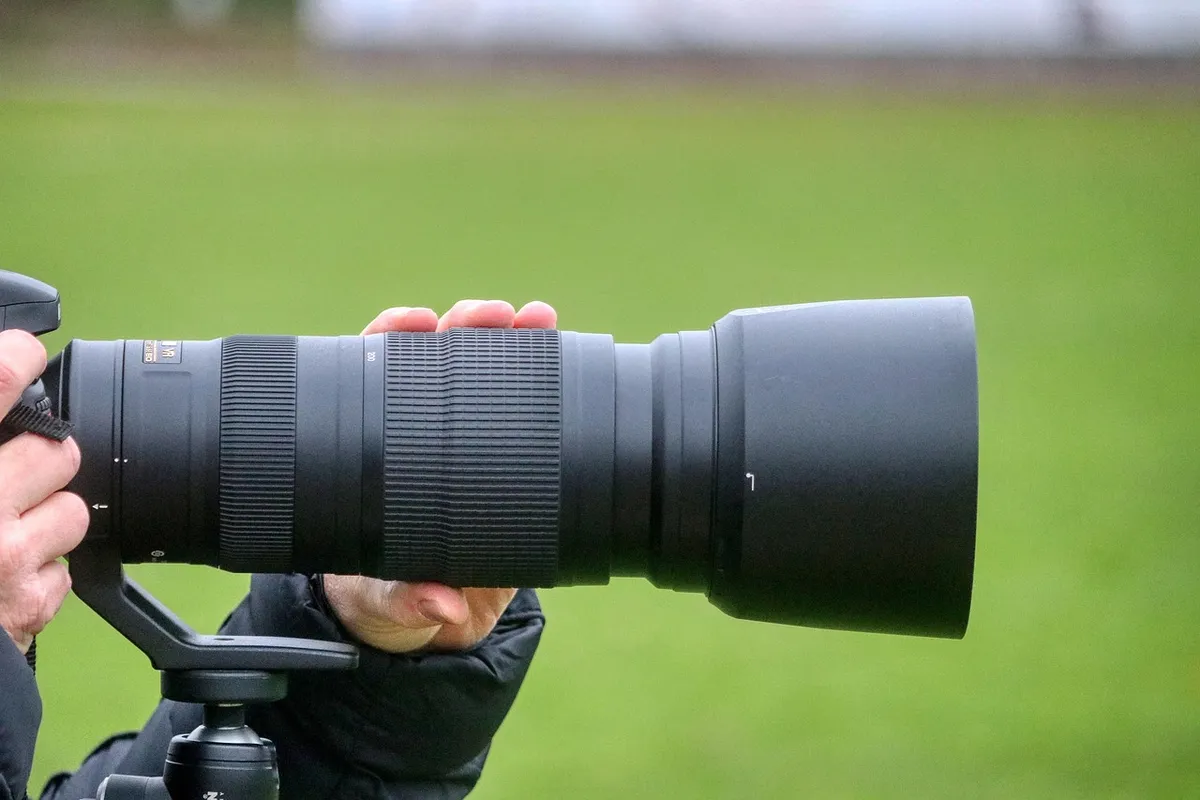
To manage these sessions, follow these steps:
- Review the background to ensure no sensitive personal information is visible in the frame. 2. Check the metadata of the image to decide if location tags should be stripped before sharing. 3. Consult with the pet owner regarding the intended use of the image and where it will be posted.
I once realized after reviewing a shot of my dog in the park that the house number was clearly visible in the background, which prompted a change in my shooting habits. Ethical pet photography ensures that the joy of the moment does not compromise the security of the subject or the owner.
What are the best practices for pet photography?
A hand holds a camera steady, waiting for the perfect moment of a puppy's playful leap. Developing best practices pet photography habits helps prevent the accidental leak of private information.
One of the most effective ways to protect privacy is to focus on tight shots that exclude the surrounding environment. This technique keeps the focus on the pet while obscizing the home or specific location. It is a proactive way to handle the digital footprint of a single image.
When using mobile devices, be mindful of the permissions granted to photography apps. If an app's primary function is to edit or share, understand how that data might be used by third parties. Keeping a pet privacy guide updated with current digital trends is essential for long-term protection.
How do I handle sensitive pet photos?
An owner looks at a digital tablet, deciding whether to post a photo of their pet in a vulnerable or private state. Dealing with sensitive content requires a high level of discretion and respect for the owner's boundaries.
If a photo contains elements that could be used to track a person's movements, it should be treated with extra caution. For example, photos taken at specific times or locations can reveal daily routines.
Always consider the potential for these images to be misused by third parties for advertising or other purposes.
A pet privacy guide is not just about the pet, but about the humans in the frame. If a photo includes a person's face or identifiable property, the consent of those individuals is paramount. Respecting these boundaries is the foundation of responsible photography.
Comparison of Privacy Risks
| Risk Category | Description |
|---|---|
| Data Harvesting | Third-party apps using pet photos for advertising profiles |
| Contextual Leaks | Background details revealing home locations or routines |
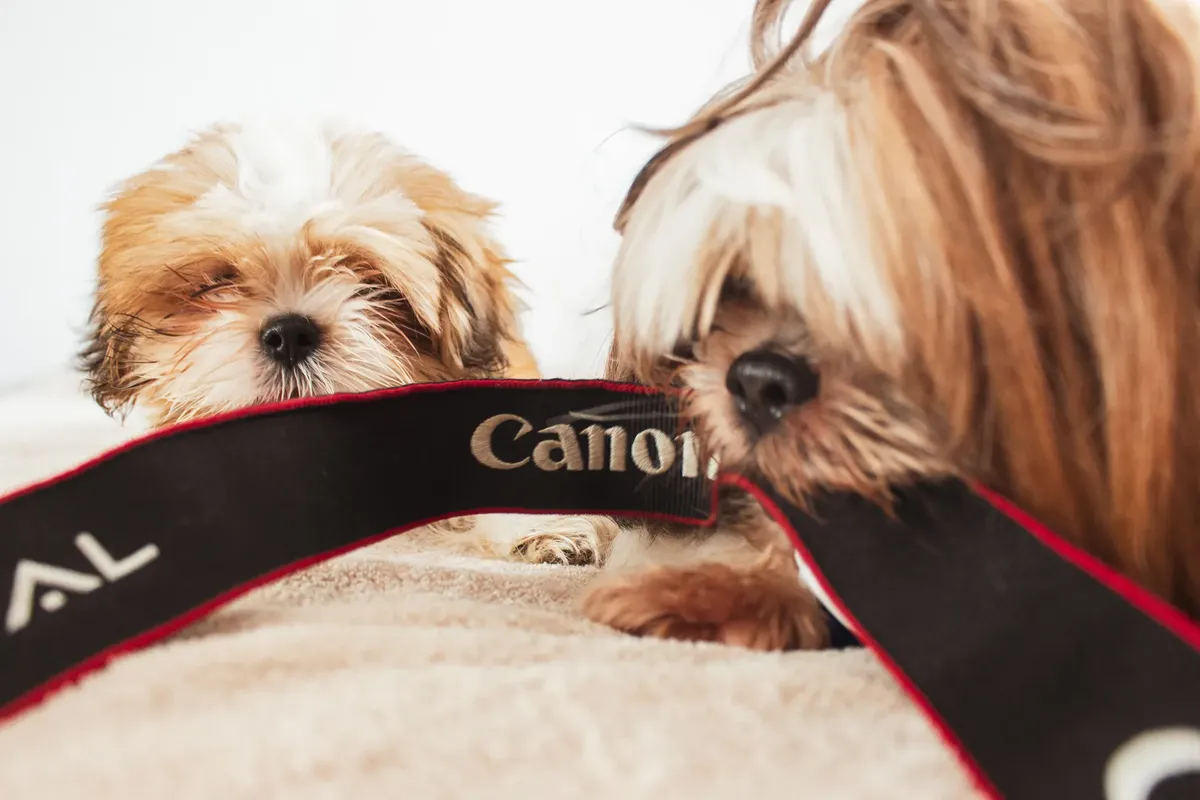
A limitation of these guidelines is that they cannot fully prevent data-driven profiling once an image is published to a public platform. According to the World Wide Web Consortium, the increased capabilities of the web platform outweigh potential privacy concerns.
- How to respect pet privacy in the digital age?
- What are the risks of sharing pet photos online?
- How can I implement ethical pet photography?
The subject here is Pet photo privacy guide.
The same subject is also called Respect pet privacy rules.
This part also covers Ethical pet photo shooting.
Related
- Pet photo lighting guide: Why light tells soul story
- Pet photography lighting tips: How to manage light sources
When is a pet photo considered too personal?
A photo crosses into overly personal territory when the background elements offer a clear pathway to the owner's private life. The lens captures a moment, but if that moment reveals specific, non-public details, the risk escalates. This condition demands careful review before any sharing occurs.
How does metadata impact image sharing?
Metadata acts as a digital fingerprint attached to the image file. Checking this data allows a photographer to determine if location tags should be stripped before sharing. This procedure mitigates the risk of contextual leaks mentioned in the comparison of privacy risks.





Comments 0