Photo archive preservation guide: Secure historical imagery
"The preservation of history is not merely about keeping objects; it is about ensuring that the data they carry remains accessible to future generations."
Creating a photo archive necessitates moving from physical storage to strong digital management and standardized file formats. This guide explores how to secure historical imagery through risk assessment, format selection, and long-term data integrity.
You will learn about audit methodologies, the importance of non-proprietary formats, and the role of institutional standards in securing a legacy.
How can we ensure long-term photo archive preservation?

A researcher sits at a desk, carefully scanning a fragile paper print into a high-resolution scanner. To achieve reliable photo archive preservation, one must move beyond simple storage and implement rigorous management protocols.
Effective preservation involves selecting stable file formats and implementing regular audits to prevent data loss.
Selecting these formats ensures that the images remain readable as software evolves.
The transition from paper to pixels requires a structured approach to data integrity. Without standardized methods, a collection risks becoming a collection of unreadable files. Establishing a foundation of reliable formats is the first step in protecting visual history.
What are the best practices for photo storage?
An archivist inspects a server rack, checking the temperature and humidity of the climate-controlled room. When managing a vintage photo collection care project, practitioners often look toward established institutional guidelines to guide their hardware and software choices.
One primary method involves using open, non-proprietary formats that do not rely on a single company's software.
For example, the Smithsonian Institution Archives considers uncompressed TIFFs to be a good preservation format for born-digital and digitized still images because of its maturity, wide adaptation in various communities, and thorough documentation.
Using such formats reduces the risk of file obsolescence.
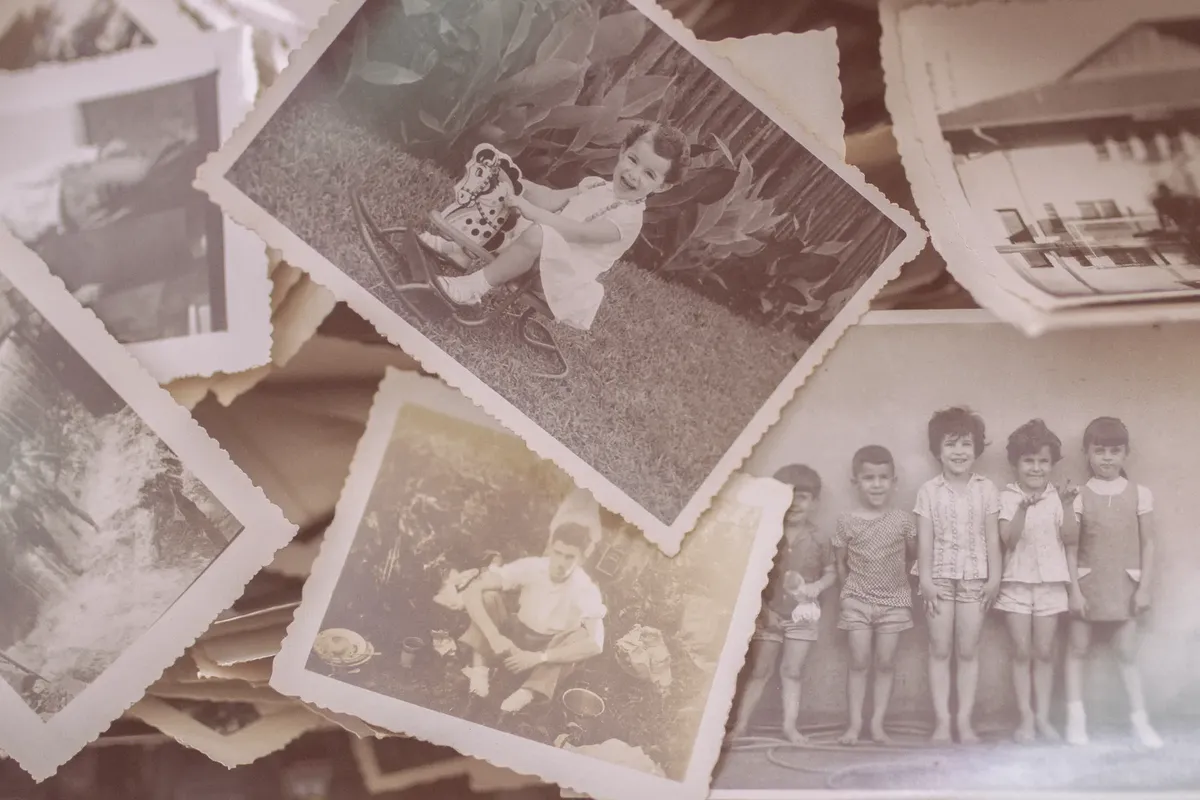
Effective digital image archiving also requires managing the physical hardware used for storage. Regular backups and redundant systems are necessary to prevent bit rot or hardware failure. Professionals must balance the need for accessibility with the necessity of data stability.
How do we handle historical photo data through audits?
A technician runs a diagnostic script on a digital repository, looking for signs of file corruption. Managing historical photo data requires regular verification to ensure that files remain intact over decades.
This tool helps organizations identify vulnerabilities in their storage systems.
Regularly auditing the repository ensures that the data remains healthy. By identifying risks early, archivists can take corrective action before files are lost forever. These audits serve as a vital check against the slow decay of digital information.
What are the effective archive management methods?
A curator compares two different versions of a digital file to ensure metadata is correctly applied. Implementing professional archive management methods allows for the organized retrieval of specific images from massive datasets.
Standardization is a key component of successful management.
These criteria provide a benchmark for quality and reliability in data management.
| Feature | Purpose |
|---|---|
| Non-proprietary formats | Ensures long-term readability |
| Risk assessment tools | Identifies potential data loss |
I found that comparing these standardized criteria helped clarify which storage methods were actually reliable for our specific collection.
How to digitize old photos effectively?
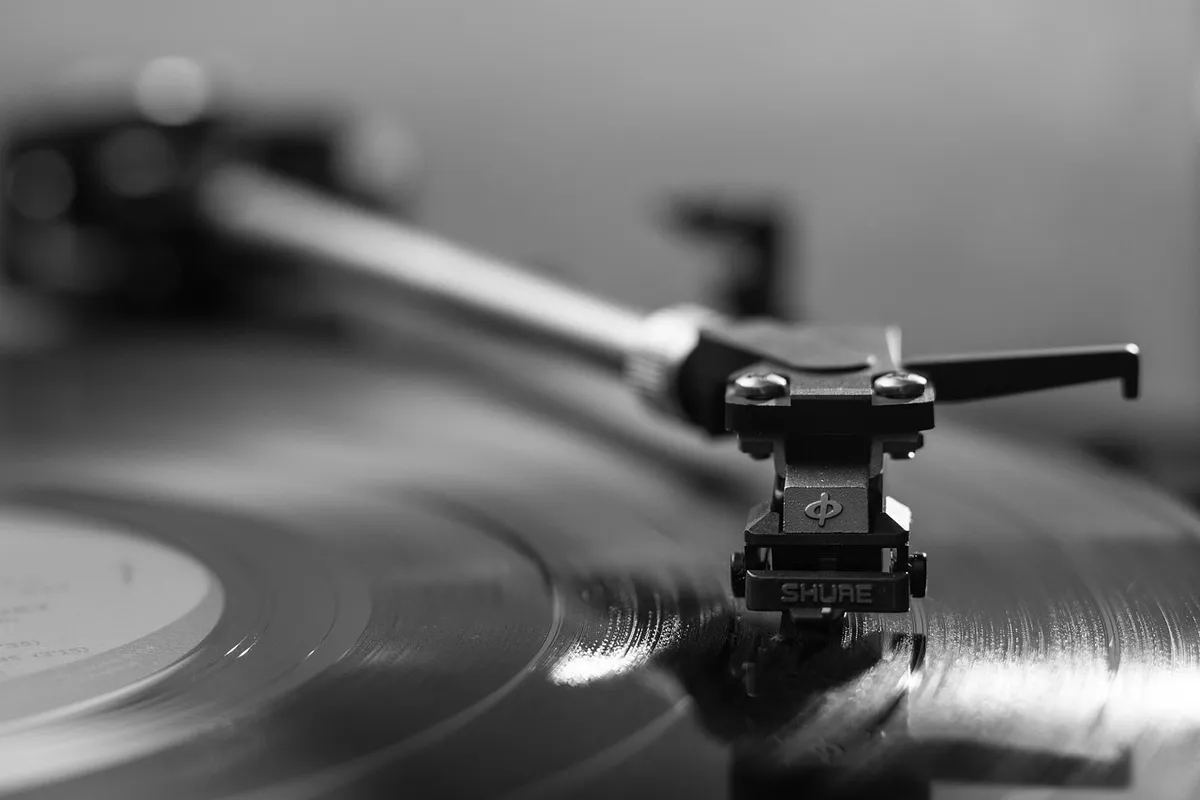
A photographer adjusts the lighting on a tripod, preparing to capture a high-resolution scan of an antique photograph. To learn how to digitize old photos, one must follow a sequence that prioritizes image quality and metadata completeness.
- Select a high-resolution scanner capable of capturing the full detail of the original medium. 2. Save the scan in a master format, such as an uncompressed TIFF, to preserve maximum detail. - 3. Generate descriptive metadata to identify the subject, date, and creator of the photo. 4. Perform a final check to ensure the digital file is complete and the metadata is accurately embedded.
This process ensures that the digital surrogate is a faithful representation of the original. Proper digitization creates a bridge between the physical past and the digital future.
Using photo archives for research
A student sits in a quiet library, scrolling through a high-resolution digital archive on a tablet. Using photo archives for research requires a well-organized system where metadata allows for easy searching and discovery.
A limitation of digital preservation is that it cannot account for the physical degradation of the original paper assets if they are not stored in controlled environments. While the digital file may be perfect, the source material remains fragile.
What is the role of the Library of Congress?
The Library of Congress has created a set of recommended formats for long-term preservation. They also host a list for the self-preserver which includes direction toward programs and guidelines from other institutions that will help the user preserve social media, email, and formatting general guidelines.
How are repositories audited?
Digital Repository Audit Method Based On Risk Assessment (DRAMBORA), introduced by the Digital Curation Centre (DCC) and DigitalPreservationEurope (DPE) in 2007, offers a methodology and a toolkit for digital repository risk assessment.
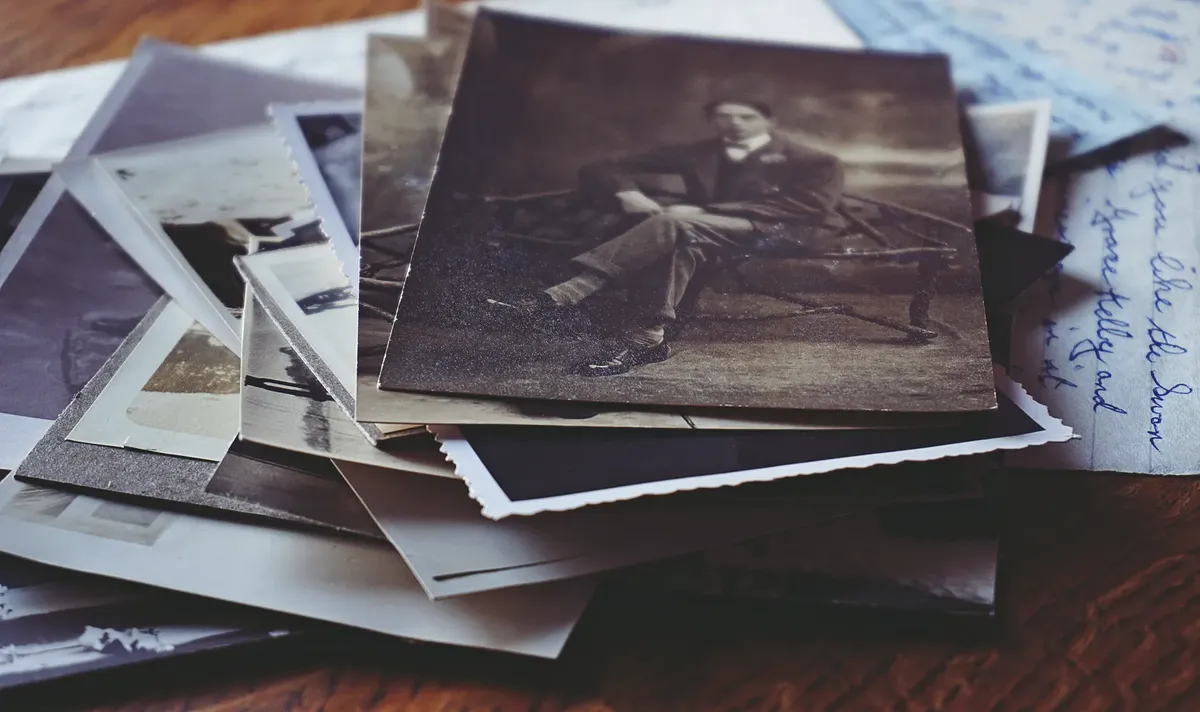
Building a lasting photo archive requires a combination of technical expertise, standardized formats, and constant vigilance through regular audits.
By following these established professional methodologies, we can ensure that the visual records of our history remain clear and accessible for the next century.
- How can we ensure long-term photo archive preservation?
- What are the best practices for photo storage?
- How do we handle historical photo data through audits?
Related








Comments 0