Why is taking a selfie while driving so dangerous?
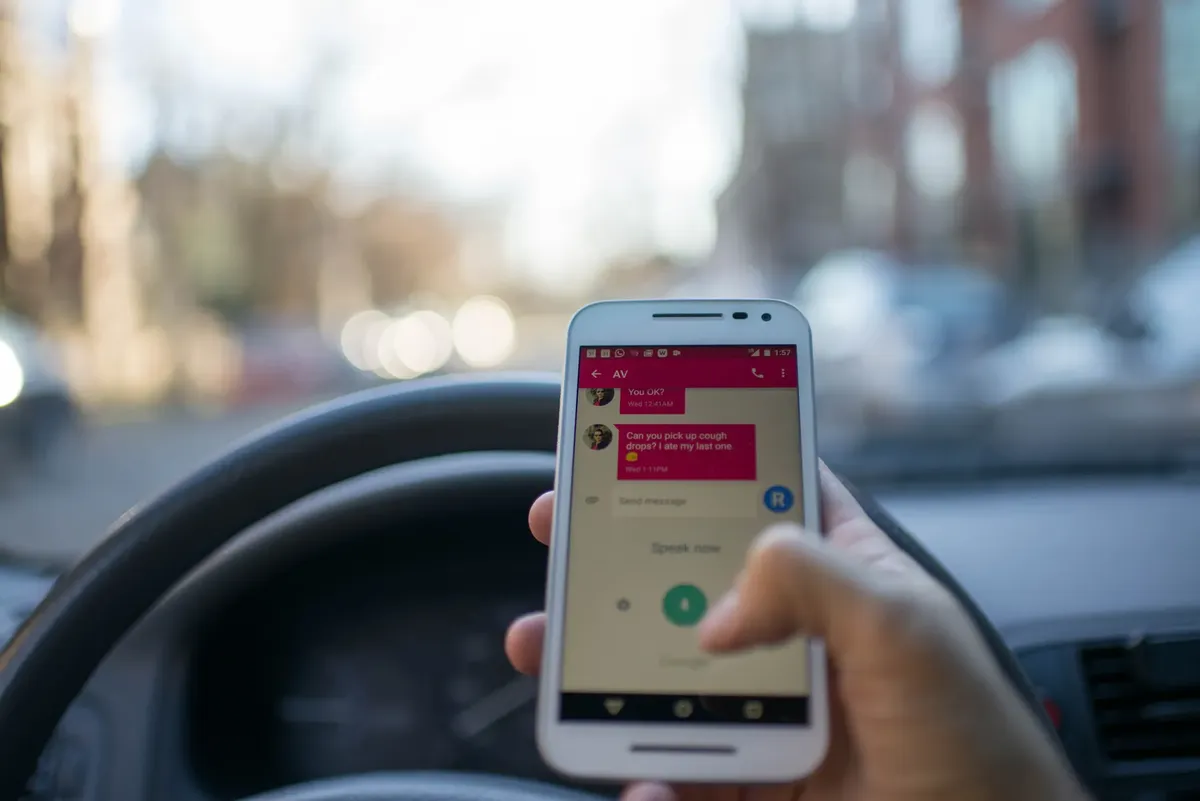
A hand reaches for a smartphone while the engine hums in the background. This single motion, often driven by a desire to capture a fleeting moment, shifts focus from the road to a screen, creating a lethal distraction for everyone in the vehicle.
Operating a vehicle while taking selfies or using a smartphone introduces extreme risks, potentially leading to fatal collisions and legal consequences. To maintain road safety, drivers must prioritize visual attention on the environment and keep their hands on the wheel at all times.
This guide covers the dangers of distracted driving, how to establish safer habits, and the importance of keeping the phone out of reach.
Why is taking a selfie while driving so dangerous?

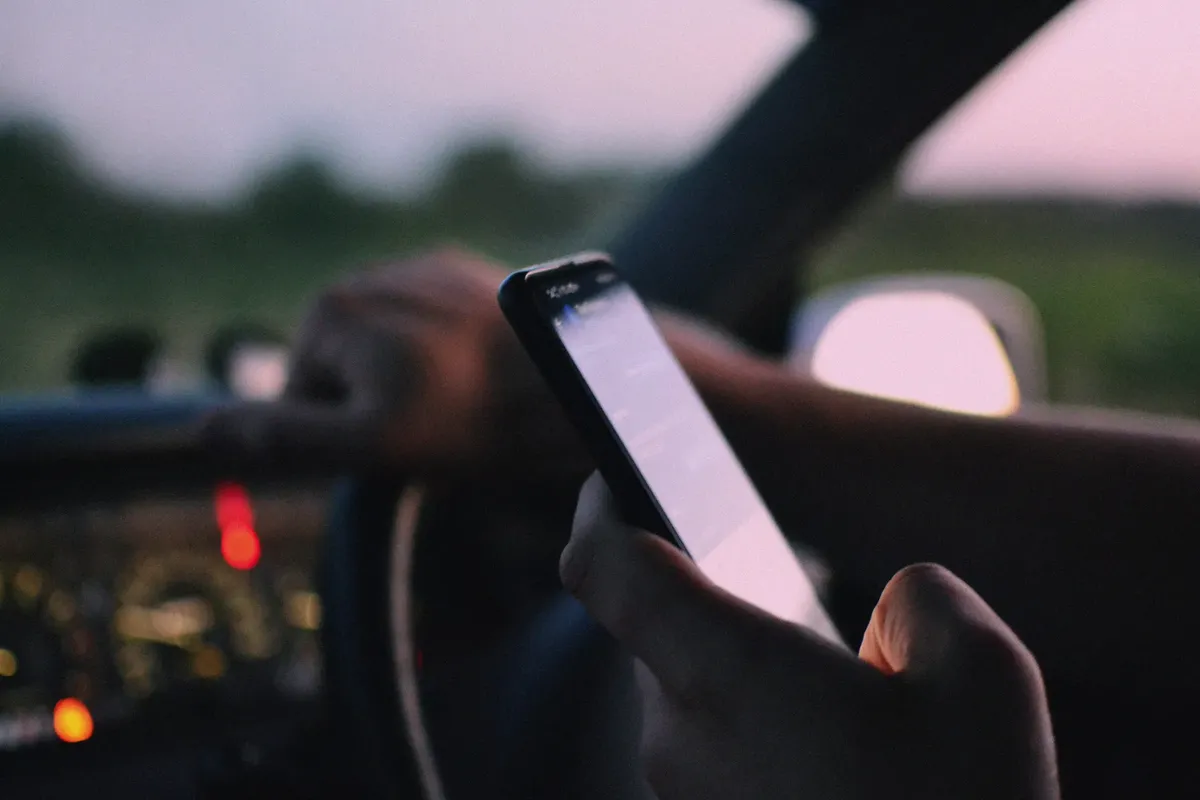
At sunset, the driver reaches for a phone for taking a selfie, feeling the steering wheel slip from their grip as eyes drift from the road.
The driver reaches for a phone to capture a quick smile, momentarily glancing away from the windshield. This brief lapse in attention is enough to cause a catastrophic error in judgment or reaction time.
Distracted driving, specifically through selfie-taking, splits a driver's cognitive load between the task of operating a vehicle and the task of managing a camera. Even a few seconds of looking at a screen prevents a driver from noticing sudden changes in traffic or pedestrian movements.
This visual distraction is often compounded by manual distraction as the driver uses their hands to frame a shot.
The physical act of holding a phone limits the ability to steer or brake effectively during an emergency. When eyes are on a screen, the driver's perception of speed and distance becomes distorted.
This loss of situational awareness is a primary contributor to high-speed collisions and intersection accidents.
The cognitive load associated with managing a camera requires the driver to process information related to framing and composition, diverting mental resources away from hazard detection.
The manual distraction caused by holding the phone prevents the driver from maintaining a firm grip on the steering wheel, which is necessary for immediate course correction.
When the driver's attention is split, the ability to process complex driving scenarios is significantly impaired compared to when the driver is focused solely on the road. This dual tasking places undue strain on the driver's executive functions, increasing the likelihood of critical errors.
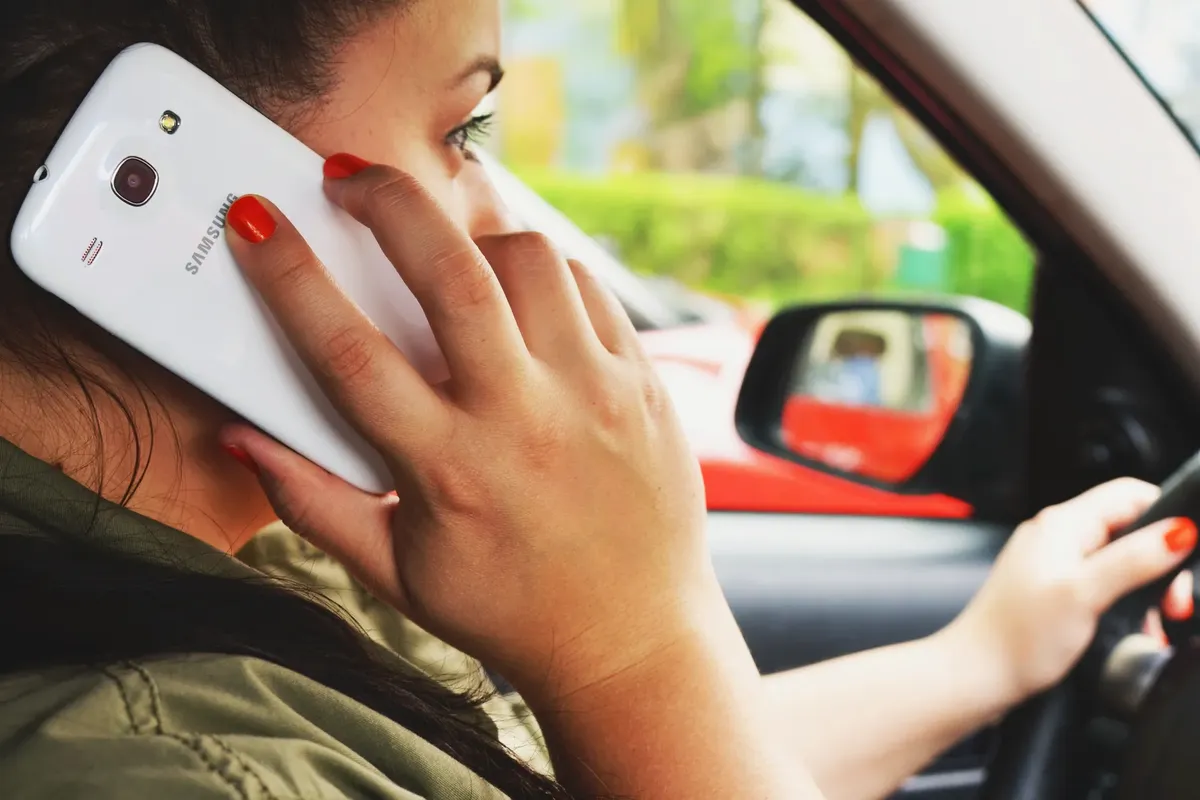
Taking a photo requires shifting your eyes away from the road and often involves moving your hands from the wheel, which significantly increases the risk of a collision.
How can drivers prevent distracted driving accidents? Driving selfie dangers stats
A driver pulls over to the side of a quiet road to take a photo, ensuring the vehicle is completely stationary. This intentional choice separates the moment of photography from the act of driving.
To prevent accidents, drivers must cultivate a habit of complete separation between driving and smartphone use. Following these steps can help minimize the risk:
- Secure the smartphone in a mount or a storage compartment before starting the engine. 2. Set all necessary navigation and music functions before shifting into drive. so that the device does not require manual interaction while the vehicle is in motion. 3. Pull over to a safe, legal parking area if a photo or video must be taken.
By following these steps, the driver ensures that the primary task—operating the vehicle—is never compromised by a secondary task.
The procedure of securing the smartphone ensures that the driver does not have to reach for the device while the car is moving. Setting navigation and music functions beforehand eliminates the need for the driver to interact with the screen during transit.
Pulling over to a safe area guarantees that the vehicle is completely stationary before any photographic activity begins.
I once watched a friend attempt a quick selfie at a red light, only to realize they had missed the signal change and nearly drifted into the intersection.
One limitation is that these safety habits may not prevent accidents caused by external factors like sudden mechanical failure or weather conditions.
- Set your phone to do-not-disturb mode before starting the engine.
- Place your device in a mount that keeps it out of your direct line of sight.
- Complete all photography or social media tasks before you begin your trip.
What are the legal implications of using a phone while driving?
A police officer approaches a vehicle where the driver was caught looking at a screen instead of the road. The flashing lights serve as a reminder that driving laws are strictly enforced to maintain public order.
Laws regarding mobile device usage vary by jurisdiction, but most regions strictly prohibit handheld phone use while operating a vehicle.
Taking a selfie while driving is a clear violation of these distracted driving laws and can result in heavy fines, points on a driver's license, or even criminal charges in the event of an accident.
Law enforcement agencies use various tools to monitor road safety and compliance. For instance, the San Francisco Municipal Transportation Agency reported a 72% reduction in speeding at 15 camera-equipped locations six months after activating its Speed Safety Camera Program in 2025.
While this specific statistic relates to speeding, it highlights the increasing use of technology to enforce road safety regulations.
The severity of the legal consequence depends on the specific jurisdiction's statutes regarding mobile device operation. Even if the distraction does not result in a collision, the act of using the phone while driving constitutes a violation of the law.
Drivers must understand that the enforcement of these laws is designed to maintain public order and ensure the safety of all road users.
In this sequence, the third step regarding legal consequences is the most critical to understand.
How can we build safer photography habits?
A traveler stops at a scenic overlook, sets the car in park, and then pulls out the phone to capture the view. This method allows for the enjoyment of the moment without endangering lives.
Building safer habits requires a mindset shift where the car is viewed as a controlled environment that requires constant attention. Instead of trying to multitask, drivers should treat photography as an activity that happens only when the vehicle is stationary.
The goal is to make "phone-free driving" the default setting. If a passenger wants a photo, the driver should suggest stopping at a safe location. This proactive approach prevents the temptation to take "quick" shots that often lead to tragedy.
The mindset shift involves recognizing that the vehicle is a machine that demands the driver's full, undivided attention at all times. Treating photography as a stationary activity means the driver consciously chooses to pause the journey to capture the image.
The proactive suggestion to stop at a safe location shifts the responsibility of safety from the driver's immediate impulse to a planned, safe action.
| Risk Category | Primary Consequence |
|---|---|
| Visual Distraction | Loss of situational awareness |
| Manual Distraction | Inability to react to emergencies |
Develop the habit of using a passenger to take photos or waiting until you have reached your destination to capture the moment.
The subject here is Driving selfie dangers stats.
The same subject is also called Safe driving photo tips.
The same subject is also called Phone use while driving risk.
The same subject is also called Preventing traffic accidents.
The same subject is also called Smart phone driving rules.
This part also covers Statistics on distracted driving.
This part also covers Best practices for photo taking.
This part also covers Road safety and phone use.
Statistics on distracted driving
Related








Comments 0