AI lighting guide for video: How to guide best light source
"Choosing the right light source is no longer just about brightness; it is about managing energy density and spectral impact through data-driven decisions."
To select the best lighting for your studio or workspace using AI-driven insights, focus on maximizing energy efficiency and lifespan by prioritizing LED technology. This guide is for creators and professionals seeking to optimize their environments for long-term use.
You should compare power consumption across different bulb types, monitor blue light content to protect health, and verify technical standards through recognized authorities.
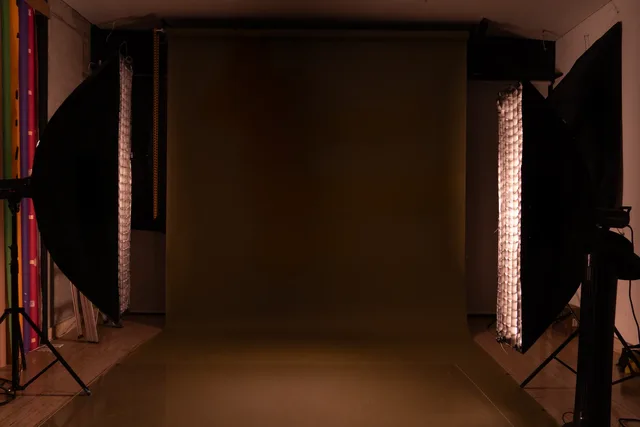
A primary limitation is that high blue content white LEDs may have a higher impact on human health and the environment compared to low blue content sources.
* Prioritize LED lamps for 10% power usage. * Verify color standards via the CIE. * Monitor light lifespan up to 50,000 hours. * Analyze environmental data for up to 30 days.
How do I use an AI lighting guide for video to save energy?
I sit at my desk, staring at a screen filled with spectral data, trying to decide which lamp will keep my studio running without a massive electricity bill. To implement an AI lighting guide for video, you must first analyze the power requirements of your current setup against modern alternatives.
Using AI to simulate these power draws allows you to predict monthly costs before purchasing a single fixture.
This method ensures your rep stays efficient and cost-effective.
- Analyze your current power consumption patterns.
- Implement AI-driven dimming schedules based on scene requirements.
- Monitor real-time energy savings through the software interface.
What light source will give me the best sensor accuracy?
I hold a small sensor toward a bright window, watching how the light shifts as the sun moves across the room. Finding the best light source for sensor accuracy requires understanding the color standards and spectral consistency provided by professional organizations.
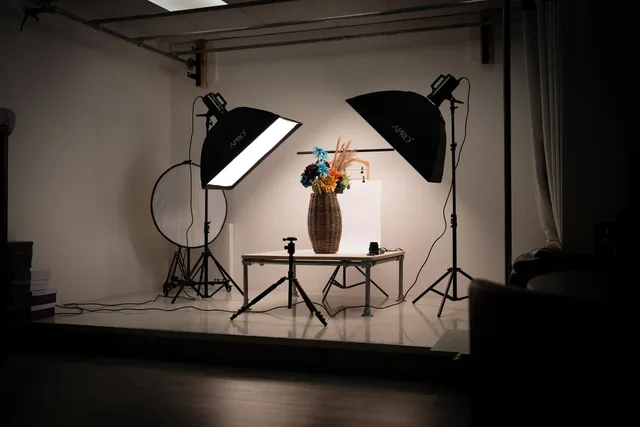
The International Commission on Illumination (CIE) serves as an international authority and standard defining organization on color and lighting. By inputting CIE-standardized color data into an AI model, you can predict how different light sources will interact with your camera sensor.
This prevents unexpected color shifts during a shoot.
In this sequence, the first step is the most critical.
How can I manage lighting lifespan in studio settings?
I watch the clock in the studio, noting how many hours the overhead lights have been active during a long night of editing. Managing lighting lifespan in studio settings involves selecting bulbs that offer the highest durability to minimize frequent replacements.
The lifetime of modern lighting is much longer, reaching up to 50,000 hours. When using AI to plan your lighting schedule, you can factor in these long-term durations to avoid mid-production failures. This strategy ensures your long life light for filming remains consistent throughout the year.
Can my lighting choices actually improve my health?
I squint against the harsh glare of a new white LED lamp, feeling the strain in my eyes after only an hour of work. A smart light choice for shoots must account for the biological impact of the light spectrum being emitted.
According to the Association warned on the use of, one study conducted by the American Medical Association warned on the use of high blue content white LEDs in street lighting, due to their higher impact on human health and environment, compared to low blue content light sources (e.g.
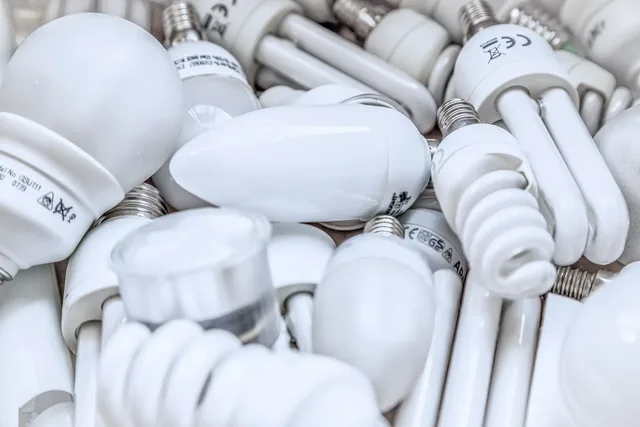
One study conducted by the American Medical Association warned on the use of high blue content white LEDs in street lighting, due to their higher impact on human health and environment, compared to low blue content light sources.
AI tools can help you filter for low blue content options to maintain a healthier workspace. This energy saving light selection process protects both the user and the surrounding environment.
What steps ensure optimal light properties?
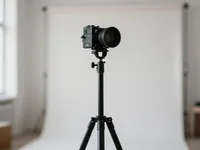
I carefully arrange three different lamps on a tripod, testing how each one changes the texture of the subject in front of me. To achieve choosing optimal light properties, follow these technical steps to ensure your setup is professional and sustainable.
According to The International Association of Lighting Designers, the organization focuses on the advancement of lighting design education and the recognition of independent professional lighting designers.
- Analyze the spectral output of your candidate lights using a light meter or AI-driven spectral analysis tool. 2. Compare the power consumption of LEDs against halogen or compact fluorescent alternatives to ensure efficiency. 3. Cross-reference the technical specifications with CIE standards to ensure color accuracy.
I checked my final setup against these three steps to ensure the light was both efficient and healthy.
Which conditions limit AI lighting effectiveness?
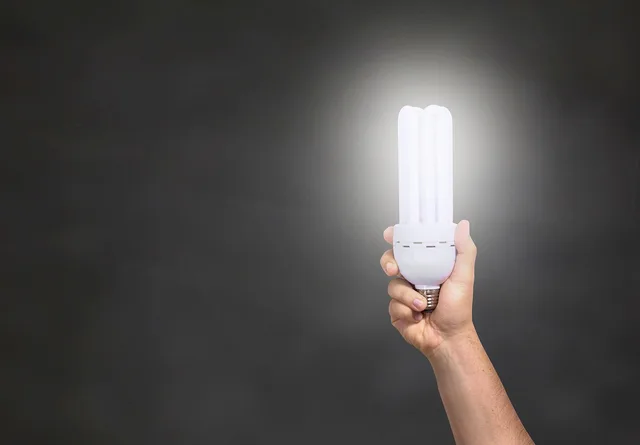
I look at a single, outdated incandescent bulb in a dark corner, realizing that no amount of software can fix a poor hardware choice. Certain technical conditions limit the effectiveness of AI-driven lighting decisions.
An AI model cannot improve the inherent quality of a light source that lacks standardized color data. For example, if you are using a source that does not meet CIE standards, the AI's predictions regarding color accuracy may be unreliable.
This limitation applies specifically when working with non-standardized, consumer-grade hardware in uncontrolled environments.
| Light Type | Power Usage (vs. Incandescent) |
|---|---|
| LED Lamp | 10% |
| Halogen Lamp | 70% |
Related
- Portrait lighting techniques guide for best results
- Light direction Safe night lighting photo guide tips
What are the cautions when Choosing the right light source for a project?
- Be cautious about high blue content white LEDs because they present a greater risk to human health and the environment compared to low blue content sources. 2. Recognize that an AI model cannot overcome the poor inherent quality of a light source lacking established color data. 3. Ensure you are comparing power consumption across different bulb types to maintain efficiency when Choosing the right light source.
These cautions highlight necessary checks before committing to a lighting solution. The comparison of power usage across various lamp types provides a baseline for energy management. Furthermore, verifying technical standards prevents unforeseen operational issues during the creative process.
When Considering the right light source, the longevity aspect demands attention. The expected lifespan of modern fixtures, reaching up to 50,000 hours, must be factored into the long-term planning to avoid unexpected downtime.
How does spectral impact relate to Choosing the right light source?
Spectral impact relates to how the light interacts with the subject and the human eye. Analyzing the spectral output of candidate lights using a light meter or AI-driven spectral analysis tool allows for this evaluation.
This analysis helps predict how different light sources will affect your camera sensor, preventing unwanted color shifts during a capture.
Comparing the spectral data against established norms ensures that the Choosing the right light source meets professional expectations. The CIE serves as the definitive authority for defining color and lighting characteristics that influence spectral impact.
This data-driven approach moves beyond mere brightness assessment to true environmental optimization.





Comments 0