Home close up techniques for tiny subject textures
"A microscope image of two exceptional threads of silk from the Australian net-caster spider has been announced as the winner of the Royal Society Publishing Photography Competition 2025."
Capturing tiny details can transform common objects into mesmerizing art through specialized techniques. This guide explores how to master subject clarity and scale, offering practical advice for hobbyists and enthusiasts.
You will learn about lighting, focus, and the nuances of scale, while recognizing that even the most impressive images have physical or optical limitations.
How can I achieve professional results with home close up techniques?
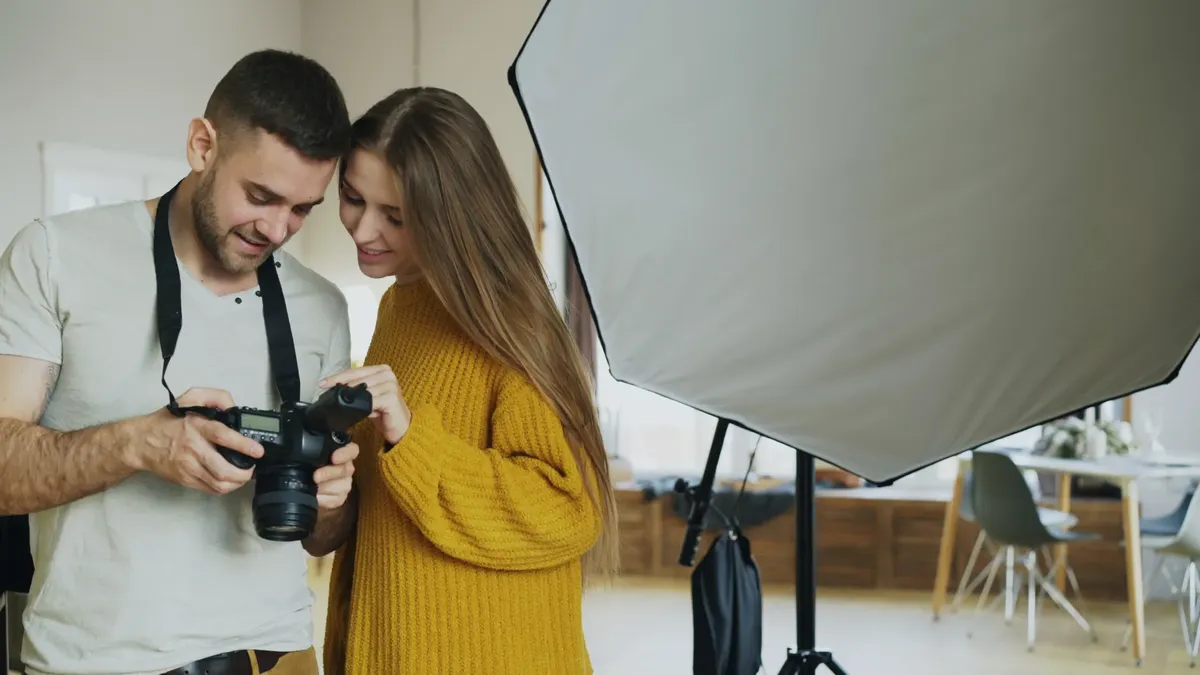
A photographer adjusts a lens to capture the fine texture of a leaf on a kitchen table. Achieving professional results requires understanding how magnification and light interact with small subjects.
Effective home close up techniques involve stabilizing your equipment and managing depth of field to ensure the subject remains sharp. When working with tiny subjects, even slight movements can cause significant blur. Using a tripod or a stable surface helps maintain focus during the shot.
The interplay of light and shadow provides depth to these small-scale images. By controlling the light source, you can highlight textures that are invisible to the naked eye. This level of detail turns a simple object into a complex landscape of light and shadow.
How can I master DIY macro photography?
A person carefully places a small glass prism on a desk to catch the sunlight. Developing your own style often begins with using everyday items to enhance your shots.
Some of the most effective DIY macro photography tips include using household items to create makeshift diffusion or magnification. For example, a small drop of water on a lens can sometimes act as a temporary magnifying element.
You can also use white paper to bounce light back onto a subject to fill in harsh shadows.
These creative solutions allow for experimentation without expensive gear. By learning how light behaves with different surfaces, you can manipulate the environment to suit your needs. This experimentation is the foundation of artistic growth in macro work.
Can my smartphone tricks yield high-quality shots?
A hand holds a smartphone steadily over a blooming flower in a garden. Modern mobile devices offer incredible capabilities for those who want to capture the world up close without a heavy camera.

Many people successfully use smartphone close up tricks to capture intricate details of nature or household items. Utilizing the macro mode on a modern phone can reveal textures that were previously difficult to document.
It is also helpful to lock the focus on the specific part of the subject you wish to highlight.
Digital zoom can be useful, but physical movement is often more effective for maintaining clarity. Moving the phone closer to the subject, within the lens's minimum focus distance, yields much better results than digital enlargement.
This tactile approach ensures the sensor receives enough light and detail.
Is there an indoor close up guide for better lighting?
A person adjusts a desk lamp to illuminate a small insect model in a living room. Lighting is the most critical element when working in a controlled environment.
An effective indoor close up guide focuses on soft, diffused light to prevent overwhelming highlights. Hard light can create harsh shadows that obscure the very details you are trying to capture. Using a piece of translucent paper over a lamp can create a much more natural look.
Managing the background is just as important as lighting the subject. A dark or neutral background can help the subject pop, making the fine details stand out. This control over the environment allows for consistent results regardless of the time of day.
How do I manage the scale in close up shots at home?
An artist compares the size of a tiny bead to a standard coin to establish scale. Understanding how much of the subject is visible is key to telling a visual story.
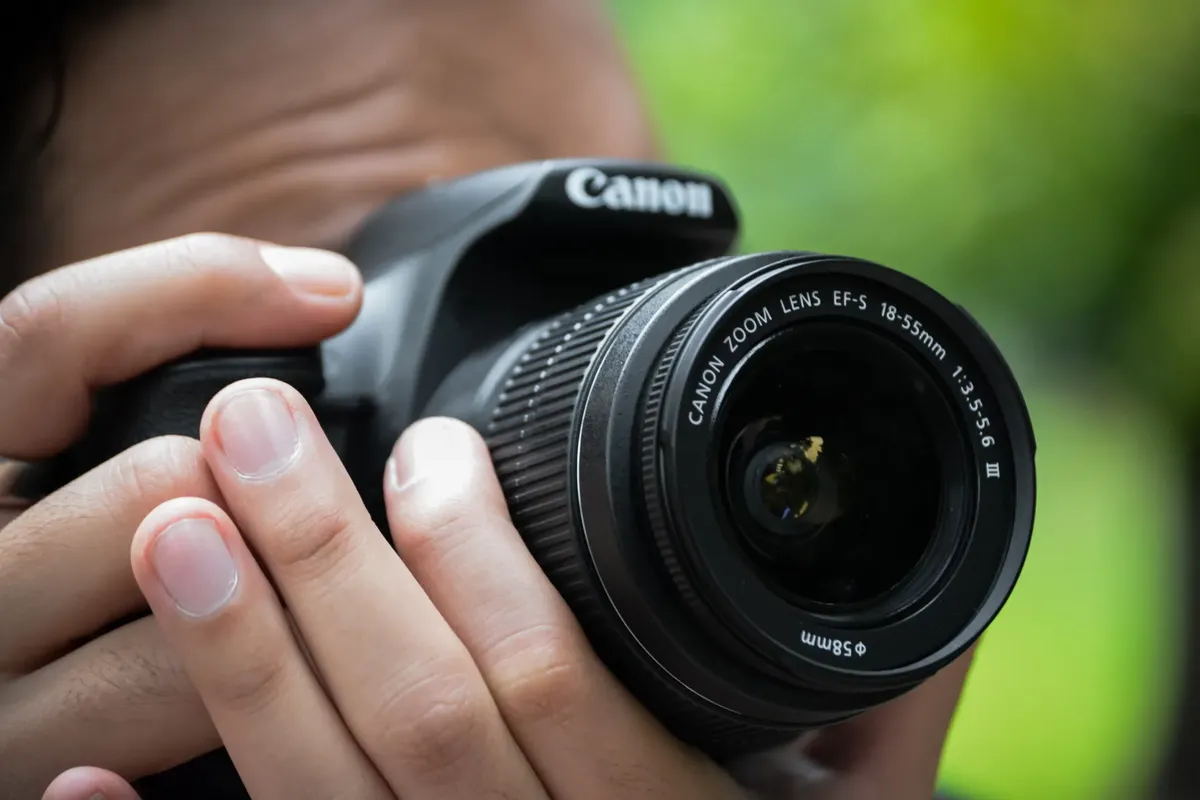
When practicing close up shots at home, you must decide whether to show the entire object or just a fragment. Showing a fragment can create an abstract, otherworldly feel, while showing the whole object provides context.
This decision changes how the viewer perceives the size and importance of the subject.
Sometimes, placing a familiar object in the frame can provide a sense of scale. However, be careful not to let the secondary object distract from the primary subject. The goal is to use scale to enhance the viewer's understanding of the subject's unique features.
What are the limitations of extreme magnification?
A researcher looks through an eyepiece at a microscopic slide. Even with the best equipment, there are physical boundaries to what can be captured.
According to the Royal Society, a microscope image of two exceptional threads of silk from the Australian net-caster spider has been announced as the winner of the Royal Society Publishing Photography Competition 2025.
While magnification can reveal hidden worlds, it also presents challenges regarding depth of field and light. In extreme close-up scenarios, the area in focus becomes incredibly thin. This means that moving the subject even a fraction of a millimeter can throw the entire shot out of focus.
In some cases, photographic representations can be misleading regarding the actual size of an object.
For instance, a 2023 legal challenge against Burger King alleged that their photography depicted a Whopper burger as 35% larger than in real life, with ingredients that "overflow over the bun." This highlights how much visual manipulation can affect the perception of reality.
| Feature | Standard Photography | Macro/Close-up Photography |
|---|---|---|
| Focus Area | Wide/Deep | Very Shallow |
| Subject Detail | Contextual | Intricate/Textural |

I found that adjusting my focus manually was the most important step when trying to capture these tiny details.
A limitation of these techniques is that the depth of field becomes extremely shallow as magnification increases, which can make it difficult to keep the entire subject in focus.
- How can I achieve professional results with home close up techniques?
- How can I master DIY macro photography?
- Can my smartphone tricks yield high-quality shots?
The same subject is also called Easy close up filming.
This part also covers Best lighting for close up.
This part also covers Tips for sharp close up.
Related




Comments 0