Ethical street photography guide: History of 35mm film
"The right to privacy is a fundamental principle that must be balanced against the artistic drive to capture the human condition in its most authentic, unposed moments."
Developing an ethical street photography guide requires balancing the desire for candid shots with the legal and moral rights of the people being documented.
This guide covers the intersection of privacy laws, technical history, and the moral responsibilities of the photographer to ensure respectful documentation.
Key takeaways include understanding the legal framework of privacy, recognizing the history of candid tools, and applying ethical judgment to urban captures.
How do privacy laws affect street photography?
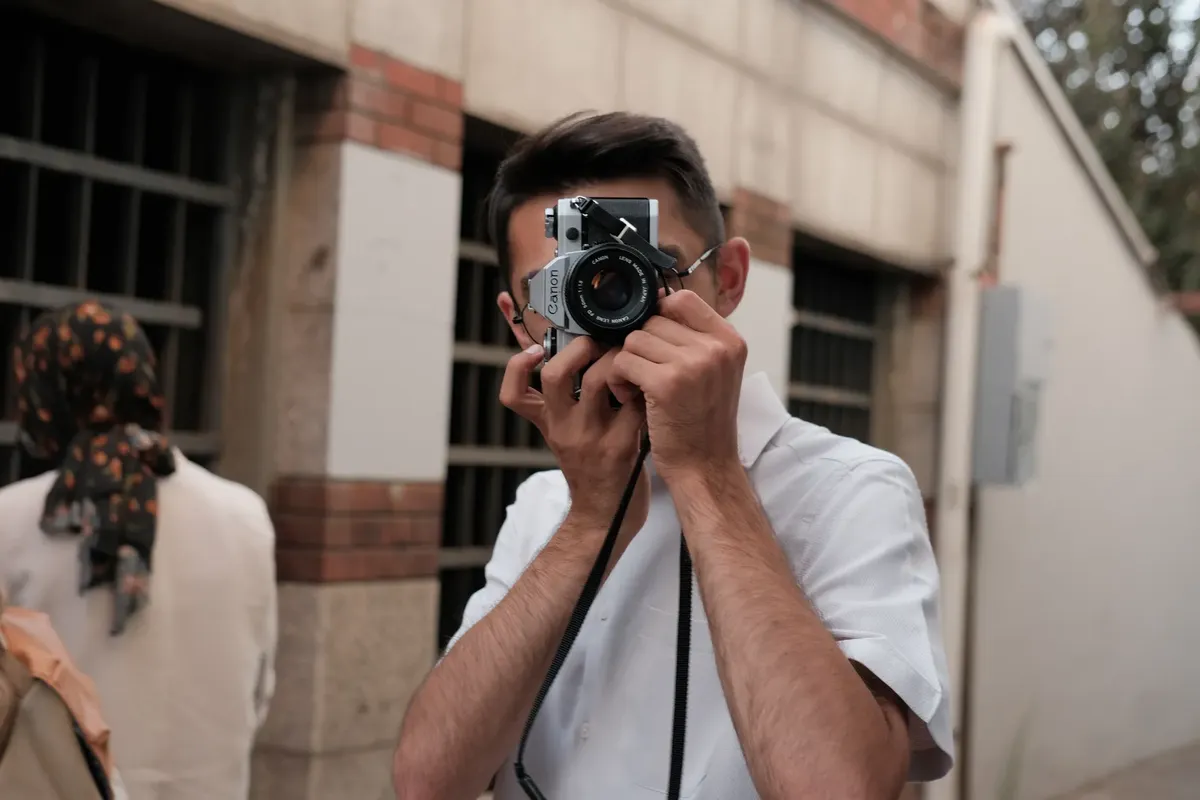
At sunset on a crowded sidewalk, I tighten my grip on the camera while pondering the ethical weight of capturing a stranger's gaze.
A photographer stands on a busy sidewalk, adjusting a lens while observing the flow of pedestrians. The European Union's Human Rights Act 1998, which all EU countries have to uphold in their domestic law, establishes a right to privacy.
This legal foundation shapes how photographers must approach subjects in many parts of the world.
Understanding the legal landscape is the first step in any ethical street photography guide. While laws vary by country, the concept of a right to privacy often dictates how much of a person's likeness can be captured and used.
In many jurisdictions, the public nature of a scene does not negate an individual's expectation of privacy.
Respecting privacy in street shots means being aware that a person's dignity is as important as the composition of the frame. Legal frameworks often serve as the baseline for what is permissible, but they do not necessarily define what is ethical.
A photographer must navigate these rules to avoid legal repercussions and maintain professional integrity.
Navigating legal boundaries requires a clear understanding of public space versus reasonable expectations of privacy.
What historical tools shaped candid photography? Ethical street photography guide
A photographer holds a vintage metal body, feeling the weight of a device that changed how the world was seen. The Leica, first sold in 1925, was the first commercially successful camera to use 35 mm film. This innovation revolutionized the ability to capture life as it happened.
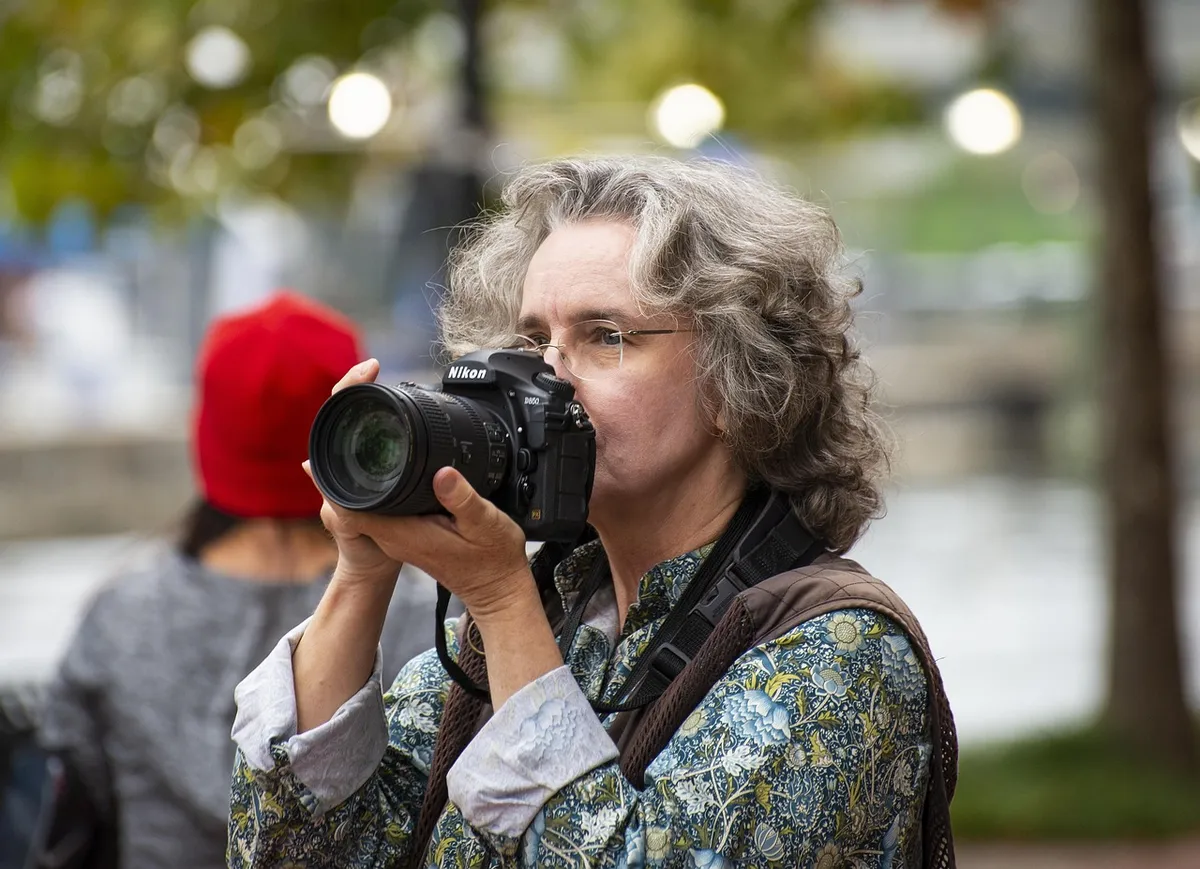
The history of the medium shows how technology influenced the way we document reality. The camera most suited to Salomon's approach, which came to be dubbed as the "candid camera," was the Leica, designed by Oscar Barnack and introduced by the Ernst Leitz company.
It served as the forerunner of all 35 mm cameras of today.
Technological advancements allowed for more discreet and spontaneous captures. For example, one recording machine was a hidden camera, a 35 mm Contax concealed beneath a coat, strapped to the chest and connected to a long wire.
These tools changed the relationship between the observer and the observed, making the act of photography more intimate and sometimes more controversial.
The evolution of camera size and shutter speed directly dictated how photographers could interact with their surroundings.
How can I capture images while protecting subjects in snap pics?
A photographer waits patiently at a street corner, watching the light change as people walk past. The goal is to capture a moment without being intrusive or causing distress to the subject. This requires a delicate touch and a keen sense of social awareness.
One way to manage this is to focus on the environment rather than individual identities. Since 35mm photography usually features urban environments, the setting can often tell the story as much as the people themselves. This shift in focus can help in protecting subjects in snap pics.
| Feature | Historical Context | Modern Application |
|---|---|---|
| Primary Format | 35mm film focus | Digital/Film hybrid |
| Approach | Candid/Spontaneous | Ethical/Intentional |
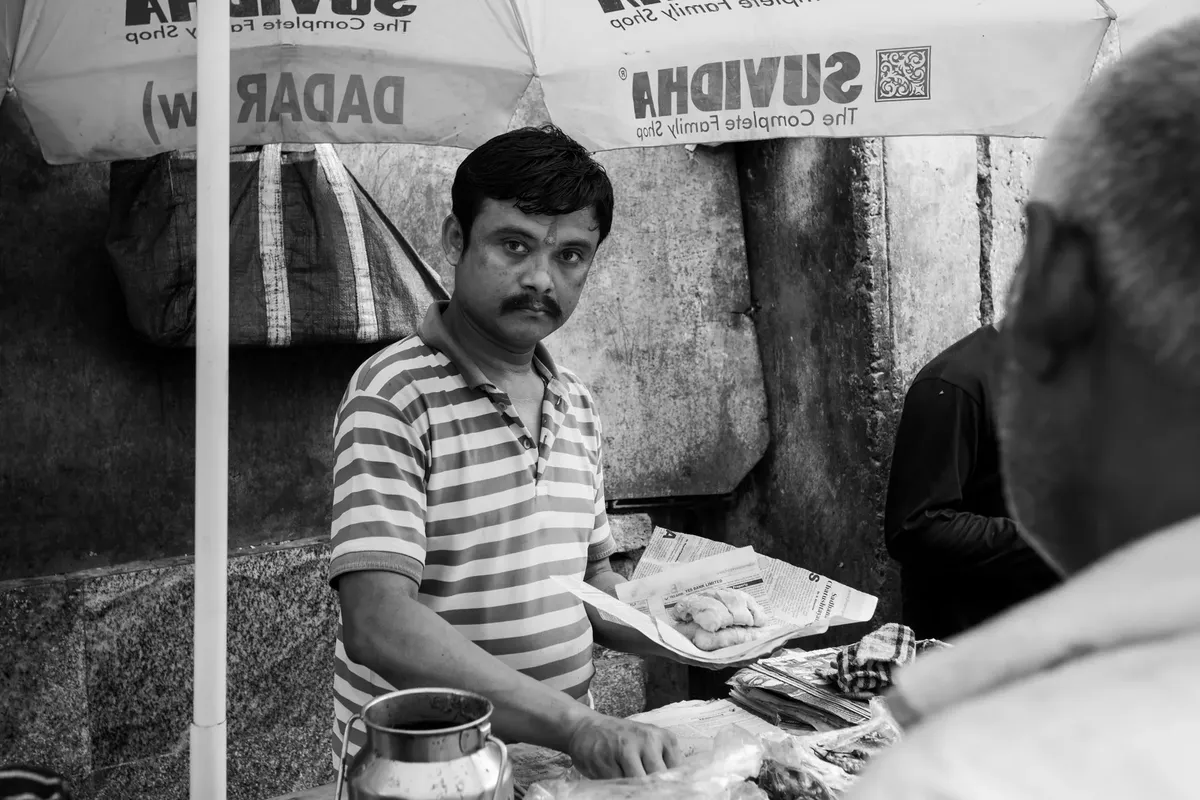
I once found that observing the subject's reaction to the lens was the best way to gauge if a shot was appropriate. Moral rules for candid photos suggest that if a subject appears uncomfortable, the photographer should respect that boundary.
- Observe the environment to ensure you are not intruding on private property.
- Maintain a respectful distance to avoid making subjects feel cornered.
- Seek verbal consent when the shot feels too intimate for a public setting.
What are the ethical rules for documentation?
A photographer reviews a series of prints, looking for the balance between truth and sensitivity. The transition from film to digital has changed the speed of documentation, but the core questions of ethics remain the same.
Developing a sense of timing is essential for ethical portrait street capture. This involves knowing when a moment is too private to be shared or when a subject's vulnerability is being exploited. The goal is to document life without stripping away the humanity of the participants.
- Observe the subject's body language to ensure they are not in a state of distress. 2. Avoid capturing individuals in compromising or highly vulnerable situations that serve no greater documentary purpose. 3. Be prepared to delete or refrain from publishing images that violate the dignity of the subject.
A final check involves asking if the image respects the person's autonomy. It is not enough to follow the law; one must also follow a personal code of conduct.
In this sequence, the second step is the most significant.
How do technical limitations affect ethical choices?
A photographer works in a dim room, carefully developing film to bring out the details of a night scene. Historically, capturing light required specific technical workarounds.
Indoor candid photography required the development of more sensitive films with higher film speeds (ISO) and aggressive methods of developing films, such as "push processing," to increase sensitivity.

These technical requirements influenced how photographers interacted with their subjects and their environments.
Documenting people ethically online often involves considering how the technical quality and the subject's expression will be perceived by a global audience. The ease of sharing means that an ethical lapse can have immediate and widespread consequences.
Therefore, the technical mastery of the craft must be paired with a strong moral compass.
Equipment constraints often force a choice between capturing a fleeting moment and respecting a subject's personal space.
This part also covers Street photography privacy guidelines.
This part also covers Artistic street photo ethics rules.
Street photography privacy guidelines
Related







Comments 0