Lighting cost guide: how to save thousands in long run
"Lighting is the silent budget killer of every production, but choosing the right gear can save you thousands in the long run." Smart lighting selection means balancing the initial purchase price against the long-term cost of electricity, replacement cycles, and maintenance.
This guide explores how to manage lighting costs by understanding lifespan, power requirements, and technical specifications.
* Prioritize high-cycle durability to avoid frequent replacement costs. * Understand the relationship between lumen maintenance and operational hours. * Match tube diameters and lengths to existing fixtures to prevent hardware waste. * Evaluate the "average life" of a lamp against your specific daily usage.
Lighting: How much does a bulb's life actually matter?
In the morning I hold lighting and walk through the next step.
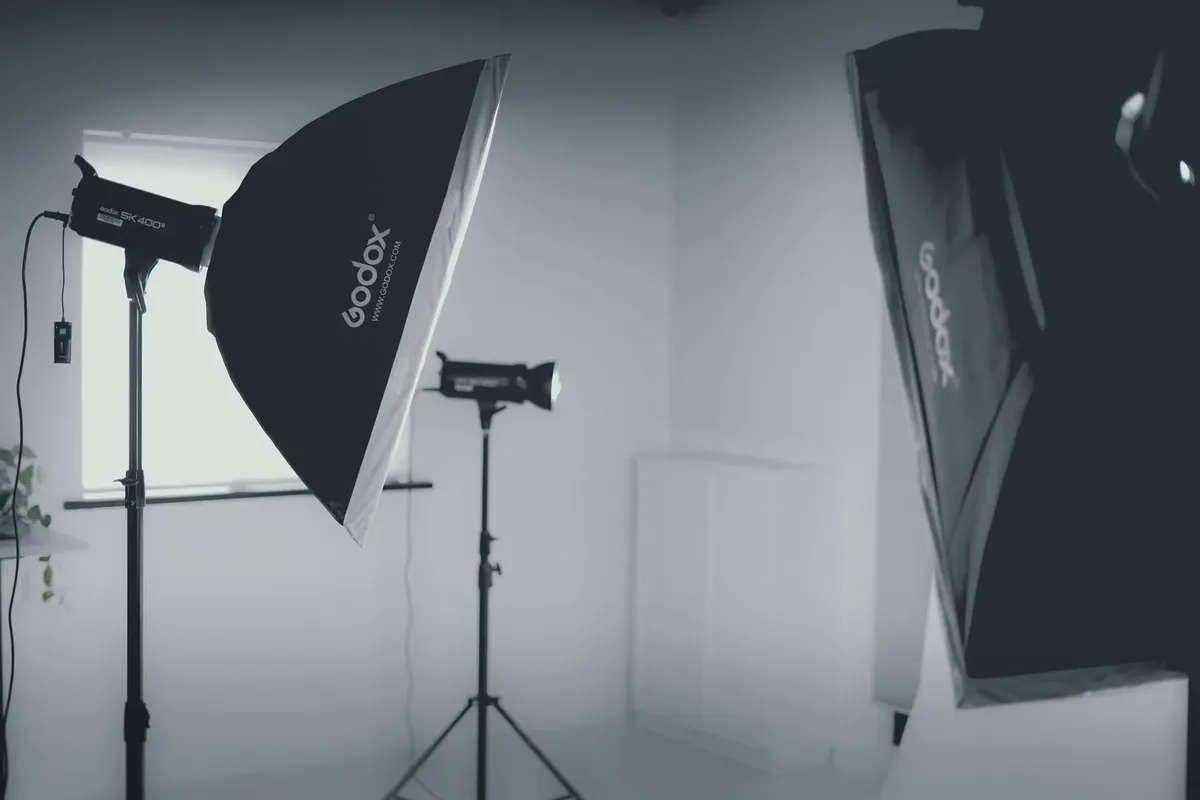
A photographer sits at a cluttered desk, staring at a flickering bulb that just died for the third time this month. They wonder if buying a more expensive unit is worth the immediate hit to their bank account.
According to the European Commission, products meeting the competition requirements would use just 17% of the energy used by most incandescent lamps of that time in 2009.
According to the Wiley Online Library, sustainable indoor lighting design is essential for ensuring energy efficiency, health, and human wellbeing in 2025.
The lifespan of a lamp is a critical factor in long-term cost management, especially when you factor in how much light is lost over time.
According to technical specifications, lamps typically drop less than 10% in brightness after 6,000 or more hours of operation, and in the worst-case scenario, they do not drop more than 15%.
When you are calculating your budget, you cannot just look at the price tag on the box. You have to look at the lumen depreciation. If a light loses brightness too quickly, you might find yourself needing to add more units to achieve the same exposure, which effectively doubles your cost.
Choosing a lamp with a lower depreciation rate ensures that your setup remains consistent for years without requiring additional hardware to compensate for dimming.
I remember setting up a studio space where we opted for cheaper, low-end bulbs to save money upfront. Within a year, the light quality had drifted so much that we had to replace the entire kit just to get a consistent look.
Can I reuse my old fixtures with new technology?
In the evening I hold lighting and walk through the next step.
A technician holds a new LED tube up to an old fluorescent fixture, squinting at the diameter to see if it will actually fit into the socket. As noted by the European Commission, some cities began re-evaluating LED lighting following warnings in 2016.
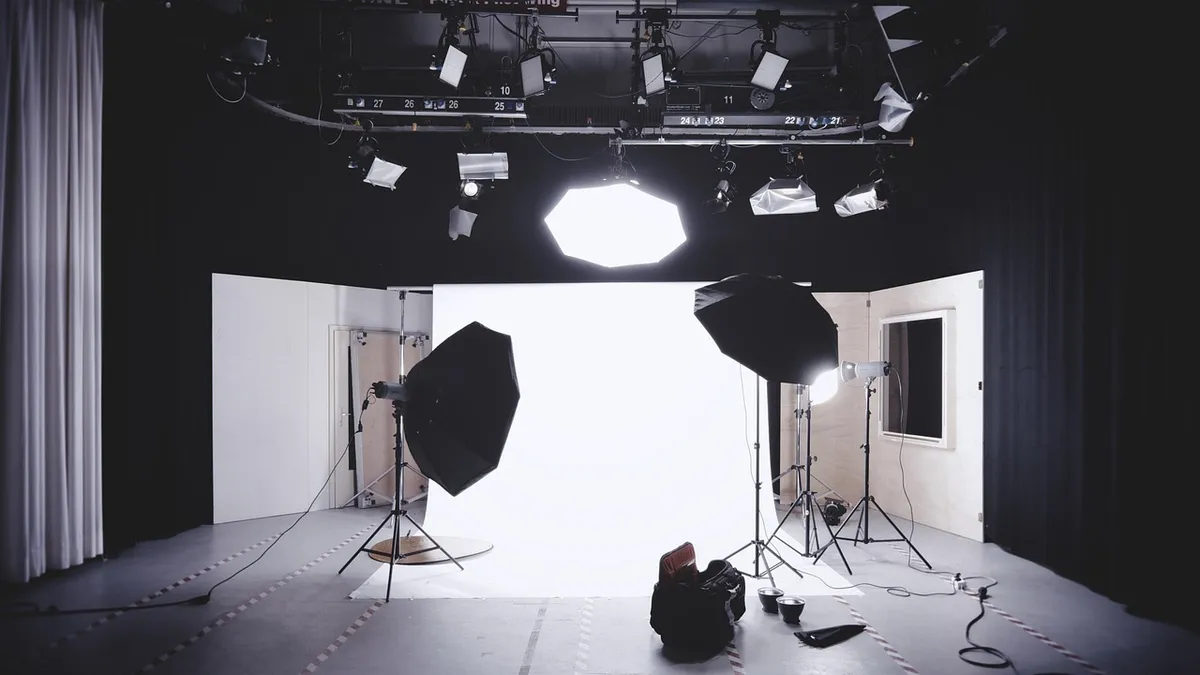
Compatibility is the most overlooked aspect of lighting cost-saving. If you buy new lights that don't fit your current mounting hardware, you aren't just buying lights; you are buying an entirely new mounting system.
Most LED tube lights available can be used in place of T5, T8, T10, or T12 tube designations. For example, T8 is D26mm, while T10 is D30mm. These come in various lengths, such as 590 mm (23 in), 1,200 mm (47 in), and 1,500 mm (59 in).
To maximize your investment, always verify the diameter and length of your existing tubes before purchasing replacements. If you have a setup designed for T10 tubes, you need to ensure your new LED selection matches that D30mm specification.
Using the wrong size leads to wasted money on parts that simply won't click into place.
| Specification Type | Standard Measurement/Detail |
|---|---|
| T8 Diameter | D26mm |
| T10 Diameter | D30mm |
| Short Tube Length | 590 mm (23 in) |
| Medium Tube Length | 1,200 mm (47 in) |
| Long Tube Length | 1,500 mm (59 in) |
Is the "average life" of a lamp realistic?
An office manager looks at a box of bulbs labeled "15,000 Hours" and tries to calculate how many years that will actually last in a busy workspace. The Galaxy S26 Ultra features a hidden tool for better portrait lighting, according to Android Authority in 2026.
When evaluating the cost-per-hour of a light, you must look at the stated "average life" and how it aligns with your usage patterns. A typical domestic LED lamp is stated to have an "average life" of 15,000 hours, which equates to roughly 15 years if used for 3 hours per day.
Furthermore, these lamps are often designed to support 50,000 switch cycles.
This means the cost of the lamp is spread out over a massive amount of usage. If you are running a studio where lights stay on for 12 hours a day, that 15-year estimate will be much shorter.
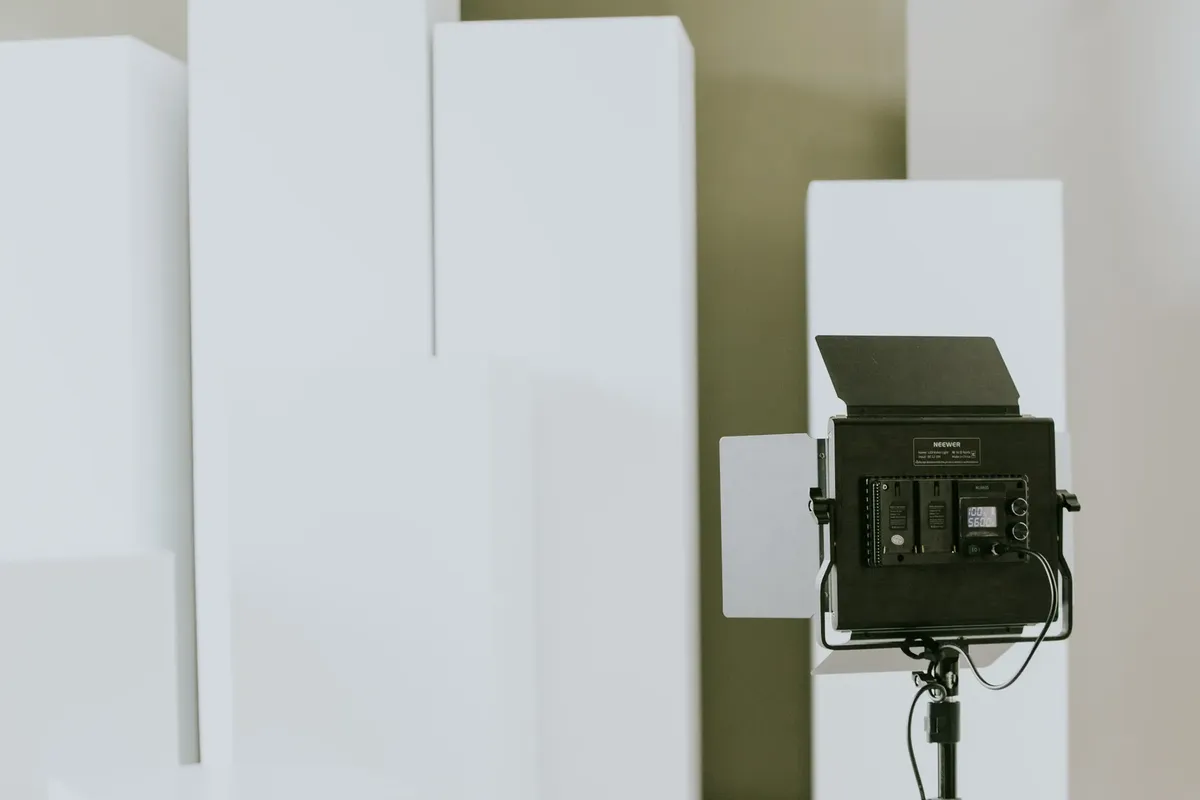
However, the ability to handle 50,000 switch cycles is a massive cost-saver for environments where lights are turned on and off frequently, such as retail spaces or home offices.
One limitation to consider is that these lifespan estimates are based on specific usage conditions. For instance, if you are using a lamp in an environment with extreme temperature fluctuations, the 15,000-hour rating might not hold true.
How do I plan a replacement cycle?
A production assistant walks through a dark warehouse, marking a checklist of lights that need to be swapped out during the next scheduled maintenance window.
Effective cost management requires a structured replacement plan based on the technical data provided by manufacturers. Instead of waiting for a bulb to burn out completely, you should plan for proactive maintenance.
- Audit your current inventory to identify the specific tube designations (like T8 or T10) and diameters (D26mm or D30mm) currently in use. 2. Calculate your daily burn time to determine how many years of life you can realistically expect from your current stock. 3. Schedule replacements when the light reaches its 15% depreciation limit to maintain visual consistency.
By following these steps, you prevent the "emergency purchase" scenario, where you are forced to buy expensive, last-minute replacements because a critical light failed during a shoot.
Why does switching frequency matter for my wallet?
A homeowner flips a light switch repeatedly, testing the durability of a new bulb to see if it can handle the constant clicking.
The frequency of turning a light on and off is a hidden cost factor that many people forget to calculate. While some bulbs are rated for total hours of light, others are specifically engineered to handle the electrical stress of being turned on.

A lamp that can support 50,000 switch cycles is an investment in durability. If you are in a situation where you turn the lights on and off multiple times a day, a bulb that is only rated for low-cycle use will fail prematurely.
This leads to a higher "cost per use" because you are replacing the unit much more often than the total hour rating would suggest.
Always check the cycle rating of your lighting gear. If you are buying for a setting with high turnover, paying a slightly higher upfront cost for a high-cycle bulb will save you significant money over the lifetime of the equipment.
When I tried the steps in order, the second one is where I paused longest.
This order does not hold, however, when the figure is not 12%.
- How much does a bulb's life actually matter?
- Can I reuse my old fixtures with new technology?
- Is the "average life" of a lamp realistic?
Related




Comments 0