Best ways to capture natural feeling in portrait photography
This article is about photography. "The best portrait isn't a captured moment, but a captured feeling."
To capture a natural human expression in photography, you must move away from stiff posing and toward psychological engagement through subtle eye contact, physical tasks, and environmental interaction.
This guide covers the nuances of eye-area micro-expressions, the effectiveness of action-based prompts, the importance of body language alignment, and how to avoid the pitfalls of over-direction.
Key Takeaways * Focus on the eyes and mouth for subtle emotional cues rather than exaggerated movements. * Use "action prompts" to trigger authentic reactions through physical tasks. * Align body posture with the intended facial emotion to create a cohesive story.
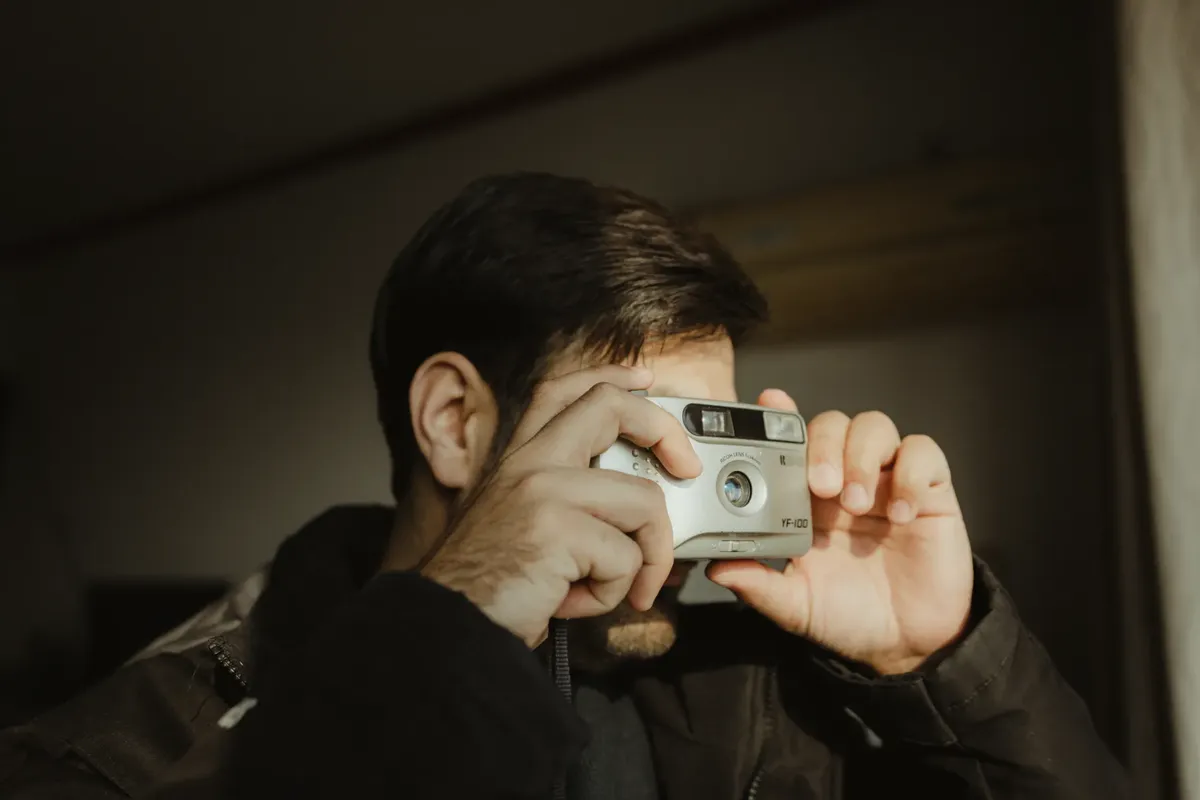
* Minimize technical direction to prevent the subject from becoming "camera-aware."
How to capture the subtle soul in the eyes?
A model sits on a wooden stool in a sunlit studio, staring blankly at the lens while the photographer adjusts the aperture. The resulting image looks hollow, like a mask rather than a person.
The secret to a lifelike expression lies in the micro-movements around the eyes and the corners of the mouth. Instead of asking a subject to "smile," look for a slight tightening of the orbicularis oculi muscles—the muscles that create those gentle crinkles at the corners of the eyes.
This is what distinguishes a genuine "Duchenne" smile from a forced, artificial one.
When directing a subject, focus on the gaze. Instead of a direct, piercing stare, suggest they look just slightly off-camera or soften their focus. This creates a sense of introspection.
If you want to convey mystery, a subtle lift of one eyebrow or a slight narrowing of the eyes can communicate more than a wide-eyed grin.
I remember working with a portrait subject in a dim studio in Brooklyn last autumn. We spent twenty minutes just talking about nothing in particular, waiting for that specific moment when her eyes lost their defensive tension and settled into a calm, natural gaze.
That was the shot that actually worked.
Focus on the micro-expressions that occur just before a subject settles into a pose.
Why do action prompts beat forced poses?
The subject stands in a windy field, trying to hold a rigid pose while the wind whips their hair into their face, looking frustrated.
A frozen pose often results in a "deer in the headlights" look, where the subject is too conscious of the camera to be themselves. To break this, use the "Action Prompt" method.
This involves giving the subject a small, physical task that requires their attention, effectively moving their focus from the lens to a tangible action.
- The Sensory Task: Ask the subject to sip a cold drink or feel the texture of a piece of fabric. The physical sensation pulls them into the present moment. 2. The Distant Gaze: Ask them to find a specific object in the far distance or imagine a specific memory occurring there. This naturally adjusts the eye focus and chin position. 3. The Social Prompt: Tell a quick joke or recount a funny anecdote to trigger an immediate, involuntary laugh.
By focusing on an activity, the facial muscles relax because the brain is busy processing a task rather than managing a pose. This results in a level of expression-driven naturalness that is nearly impossible to manufacture through static direction.
| Method | Primary Goal | Resulting Expression |
|---|---|---|
| Static Posing | Controlled composition | Often looks stiff or artificial |
| Action Prompt | Psychological engagement | Authentic, candid-feeling emotion |
| Micro-Direction | Fine-tuning details | Subtle, nuanced character study |
- Introduce a physical task to break the tension.
- Observe the natural movement generated by the task.
- Capture the candid moment as the subject interacts with their environment.
How does body language affect the face?
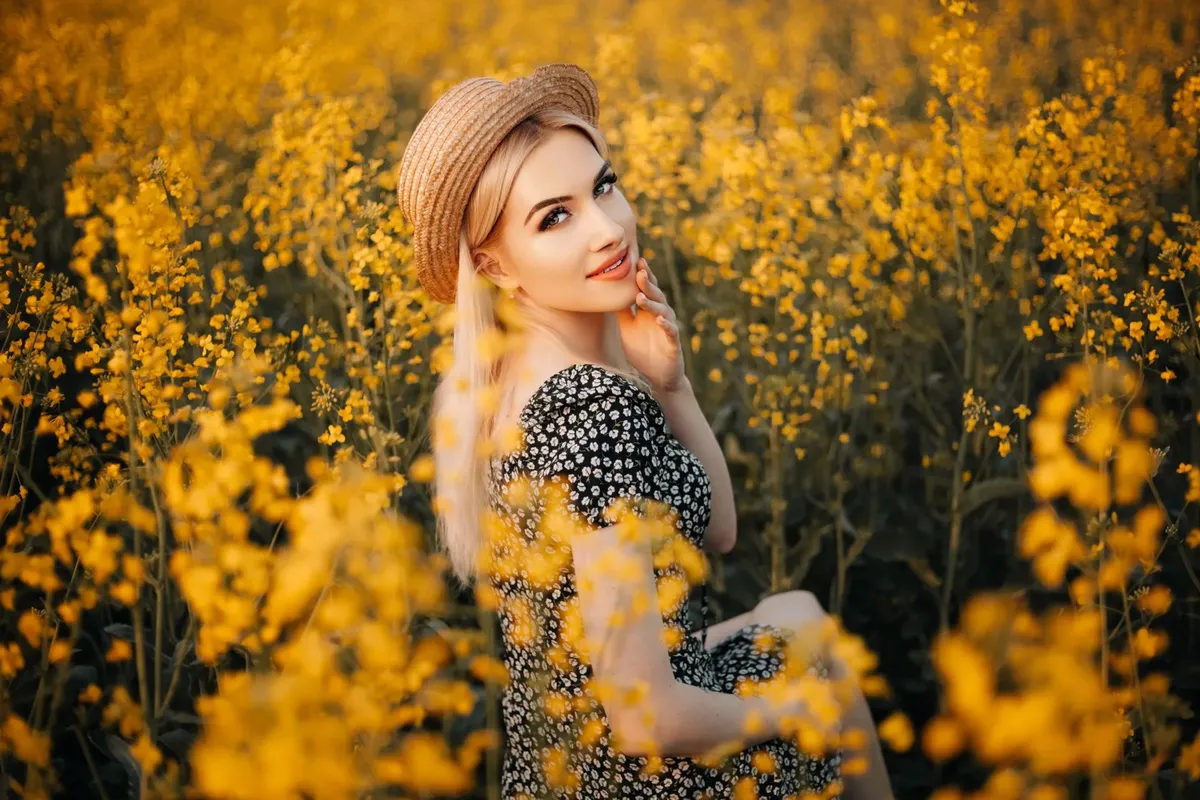
A person stands with their shoulders hunched and head tilted down, looking somber.
The face does not exist in a vacuum; it is the culmination of the entire body's state. If the body is tense, the face will inevitably show signs of stress, regardless of how much you tell the subject to relax. To achieve a cohesive look, you must ensure body language alignment.
For example, if you are trying to capture a look of confidence, an open posture—shoulders back, chest slightly out, and chin held level—will naturally facilitate a more authoritative facial expression.
Conversely, if the goal is to convey melancholy or vulnerability, a slightly slumped posture or a tilted head can enhance the emotional weight of the face.
If the body and the face are telling two different stories, the viewer will sense the dissonance. A forced "happy" face on a body that looks guarded will always look suspicious.
Always check the shoulders and the neck; tension in the trapezius muscles often translates to a "fake" look in the jaw and eyes.
In this sequence, the second step is the longest.
Why does over-direction ruin the shot?
The photographer stands inches away from a subject, pointing at their chin and nose, while the subject looks increasingly uncomfortable.
The more you direct, the more the subject's personality begins to vanish behind a wall of technical compliance. Over-direction is the enemy of authenticity.
When a photographer constantly adjusts the tilt of a chin or the position of a lip, the subject becomes hyper-aware of the camera, leading to a "performance" rather than a portrait.
The goal is to direct the mood, not the muscles.
Instead of saying "tilt your head five degrees to the left," try saying, "lean into the light a little more." The first instruction is a command that requires mental effort; the second is a suggestion that allows the subject to find their own natural movement.
This technique is particularly important when working with children or people who are not professional models. For these subjects, the more you talk about the technicalities of their face, the more the natural expression will wither.
Excessive instruction often leads to a mask-like expression that lacks authenticity.
What are the limits of expression control?
Sometimes, despite the best prompts and the most relaxed environment, a subject simply cannot produce the desired look.
It is important to recognize that you cannot manufacture emotion on command. There are moments when a subject is tired, distracted, or simply not feeling the mood you are trying to capture. In these cases, forcing the expression will only lead to a worse result.
This guidance does not apply to high-fashion or editorial photography where exaggerated, stylized expressions are often the intended goal. In those specific professional contexts, the "unnatural" look is the aesthetic.
However, for portraiture aimed at capturing human character, these rules are essential.
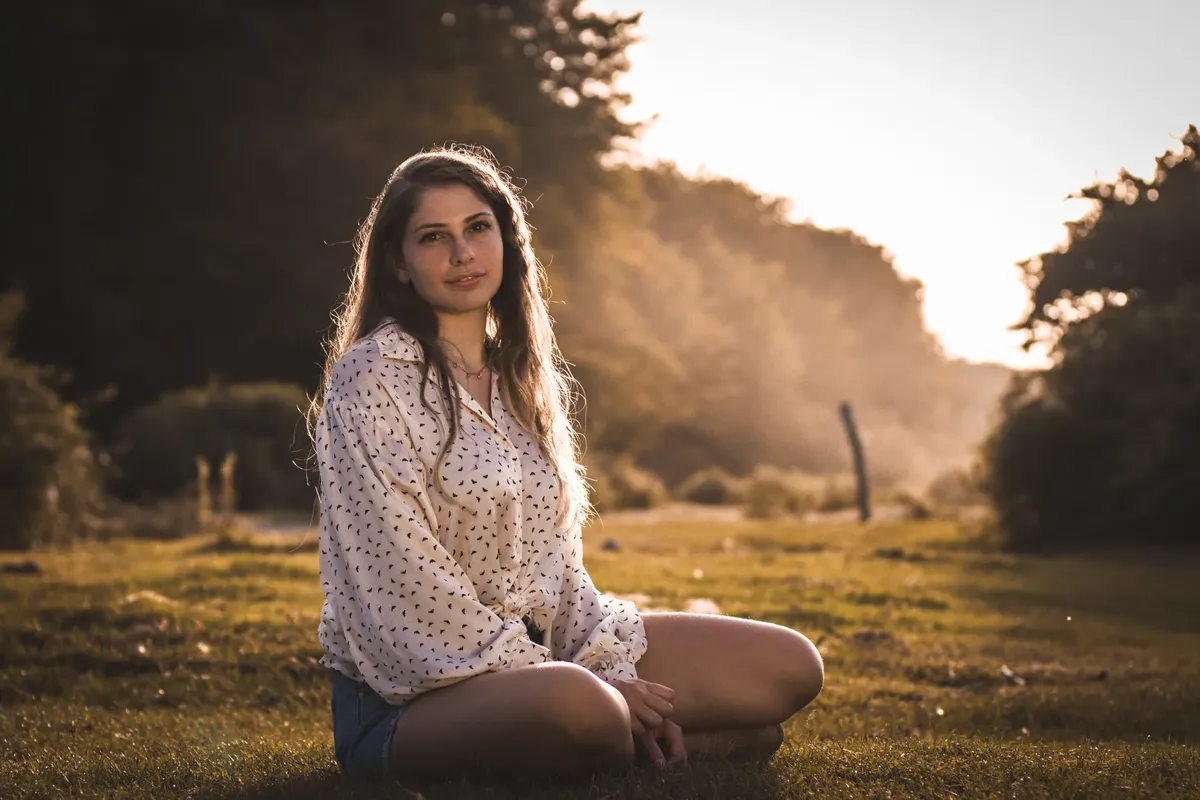
True emotion cannot be manufactured through commands; it can only be invited.
When I tried the steps in order, the second one is where I paused longest.
To make a smile look more real, focus on the eyes rather than just the mouth. A genuine smile involves the contraction of the muscles around the eyes, creating small wrinkles, while a fake smile often leaves the upper face static.
Related








Comments 0