Street photography privacy ethics: A guide to balance
"The right to privacy is a fundamental pillar of human rights, yet the lens often seeks to capture the raw, unscripted truth of public life."
Navigating the tension between artistic expression and individual privacy is the core challenge of street photography privacy ethics. This guide explores how to balance candid documentation with legal and moral responsibilities, focusing on historical context and technical boundaries.
Key takeaways include understanding legal privacy frameworks, recognizing the impact of equipment on candidness, and respecting the dignity of subjects in public spaces.
How do legal frameworks affect street photo privacy issues?

A photographer pauses on a crowded street corner at dusk, feeling the cold wind against their face while contemplating the legal boundaries of their shot.
A photographer stands on a busy corner, adjusting the focus while observing the flow of pedestrians. The legal landscape dictates whether that moment can be captured and shared.
The legal boundaries of capturing images are often shaped by regional mandates.
This legal foundation means that while public spaces permit certain levels of documentation, the inherent right to privacy must always be considered by the practitioner.
Understanding these laws is essential for anyone engaging in street photo privacy issues. As photographers move through different jurisdictions, they must remain aware that the right to privacy can vary significantly.
This awareness helps in maintaining an ethical practice that respects both the art and the individual.
What role did historical equipment play in ethical street photography?
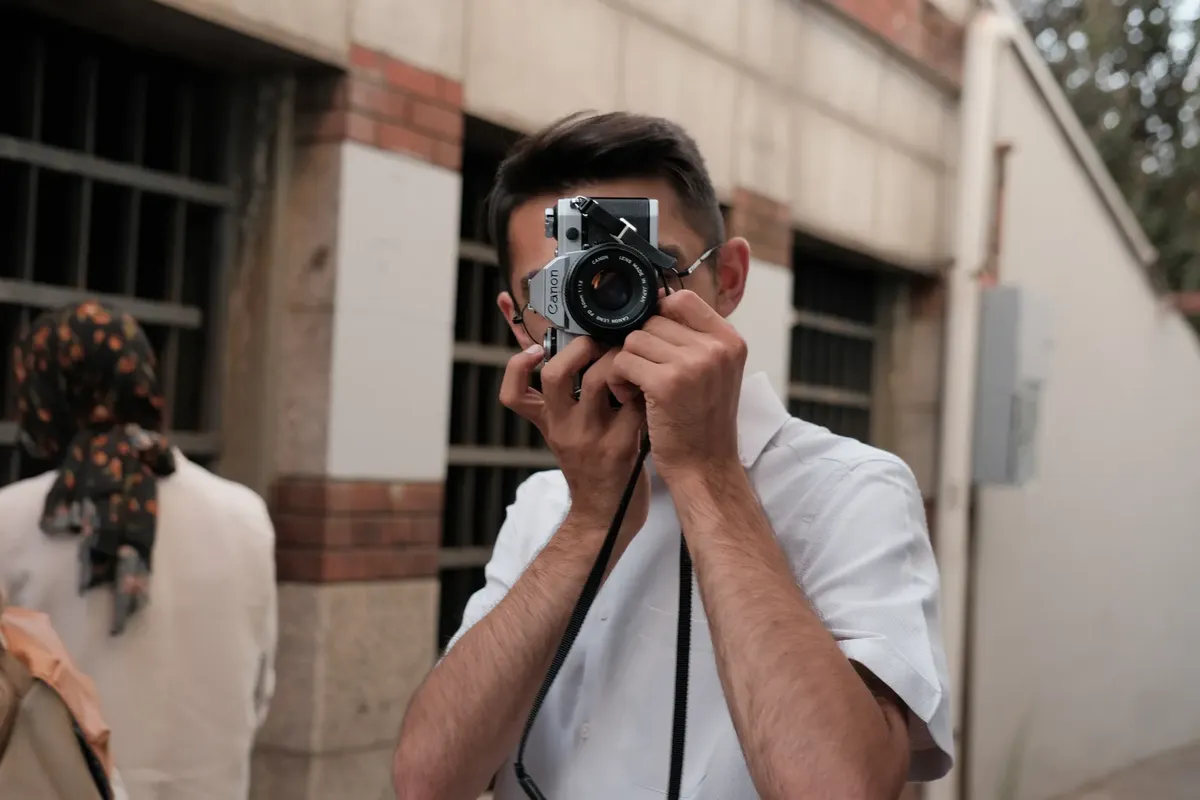
Gripping a heavy vintage camera, the artist walks down a narrow street in the afternoon sun to capture a candid moment.
An artist holds a vintage camera, feeling the weight of history in their hands while peering through the viewfinder. The evolution of tools has always influenced how we interact with subjects.
The development of portable technology changed the nature of documentation forever.
The camera most suited to Salomon's approach, which came to be dubbed as the "candid camera," was the Leica, the camera designed by Oscar Barnack and introduced by the Ernst Leitz company in 1924 and which was the forerunner of all 35 mm cameras of today.
This tool allowed for a level of spontaneity that redefined the genre.
These advancements paved the way for modern documentary photo ethics. Because the equipment became smaller and more discreet, the interaction between the photographer and the subject became more subtle.
However, this ease of capture also raised questions about the consent of those being recorded in public spaces.
How did technical advancements change the way we record people in public spaces?
A photographer works in a dimly lit room, carefully developing film to capture a fleeting shadow. Technical shifts often dictate the timing and the intimacy of a shot.
According to ISO, indoor candid photography required the development of more sensitive films with higher film speeds (ISO) and aggressive methods of developing films ("push processing") to increase sensitivity.
Technological leaps allowed photographers to venture into environments previously too dark for reliable documentation.
Indoor candid photography required the development of more sensitive films with higher film speeds (ISO) and aggressive methods of developing films ("push processing") to increase sensitivity. These methods allowed for more natural-looking shots in low-light urban settings.
While these tools enhanced the ability to capture life, they also complicated the relationship between the observer and the observed. The ability to capture high-detail images in any environment means that privacy concerns in street shots are more prevalent than ever.
Photographers must weigh the technical ability to capture a moment against the ethical implications of doing so.
Where can we see the legacy of these photographic movements?
A curator walks through a quiet gallery, looking at framed prints that tell stories of a bygone era. The history of the medium is visible in the traveling exhibitions of the past.
The impact of these artistic movements is often preserved in museum collections and traveling exhibits.
For example, the Street Photography Now exhibition was held at the Third Floor Gallery, Cardiff, in October–November 2010, and toured to Contributed Studio for the Arts, Berlin, in December 2010 – January 2011; and the Museum of Printing, Historical Museum of Warsaw, Warsaw, in November 2011 – January 2012.
These exhibitions highlight how historical cases street photography provides a roadmap for contemporary practitioners. By studying how previous generations handled the balance of candidness and respect, modern photographers can better navigate their own work.
These displays serve as a bridge between the technical innovations of the past and the ethical questions of the present.
How to practice ethical street photography in three steps?
A photographer pauses at a crosswalk, observing a subject before deciding whether to lift the camera. A deliberate approach can mitigate many potential conflicts.
To maintain a professional standard, follow these steps:
- Observe the environment and the subject's reaction to your presence to gauge the level of intrusion. 2. Prioritize the dignity of the individual, ensuring the shot does not exploit a person's vulnerability. 3. Be prepared to engage in respectful dialogue or offer to destroy the image if a subject expresses genuine distress.
I once found myself in a crowded terminal, deciding whether to capture a fleeting expression of exhaustion. I made sure to check that the subject was not in a compromising position before proceeding.
This final check ensures that the pursuit of a perfect shot does not come at the cost of human decency.
What are the limitations of privacy in photography?
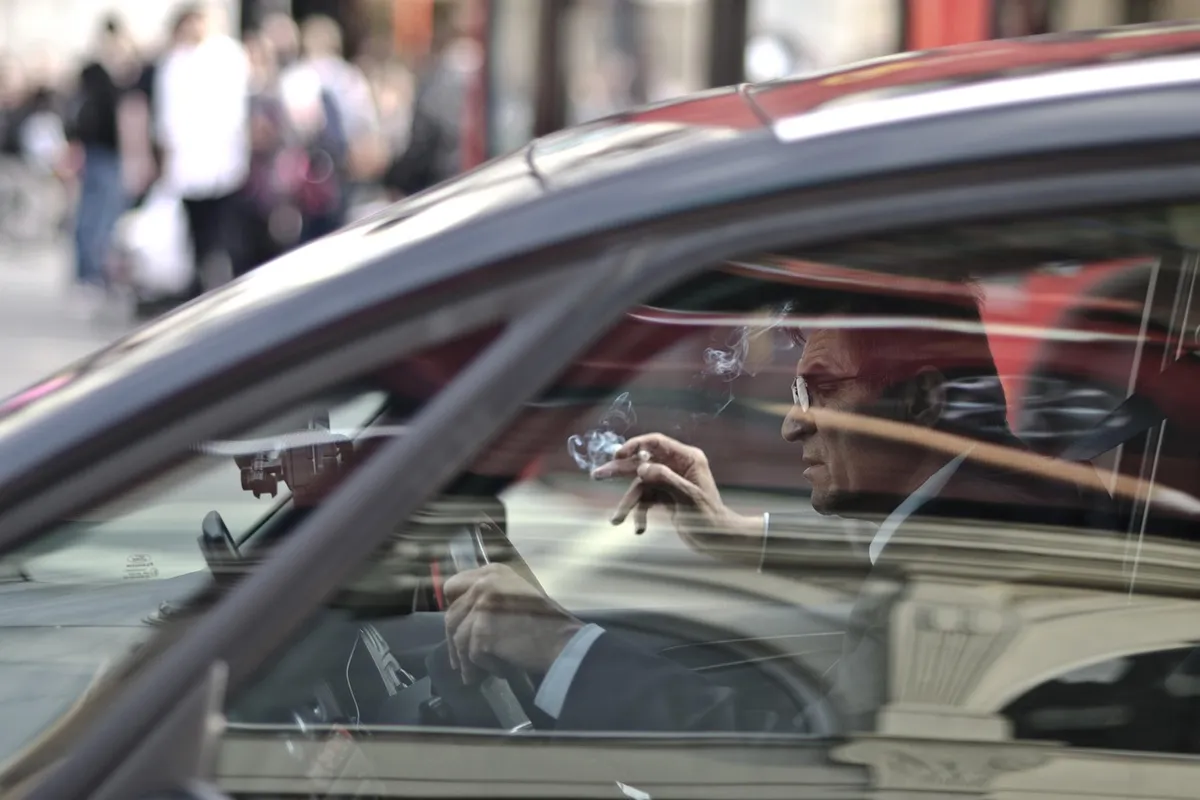
A person walks through a public park, unaware that they are being captured in a wide-angle shot. Some moments are captured without the subject ever noticing the lens.
The effectiveness of privacy protections can be limited by the setting and the nature of the shot.
While the European Union's Human Rights Act 1998 provides a framework for privacy, the application of these rights in a public setting can be complex depending on the specific domestic laws of a country.
How does the law protect privacy?
The European Union's Human Rights Act 1998, which all EU countries have to uphold in their domestic law, establishes a right to privacy.
What was the impact of the Leica?
The Leica, designed by Oscar Barnack and introduced by the Ernst Leitz company in 1924, was the forerunner of all 35 mm cameras of today and was suited to the candid approach.
The intersection of legal rights and artistic impulse remains a fundamental tension in the field of photography.
- How do legal frameworks affect street photo privacy issues?
- What role did historical equipment play in ethical street photography?
- How did technical advancements change the way we record people in public spaces?
Street photography privacy ethics
The subject here is Street photography privacy ethics.
The same subject is also called Public space photo rights.
This part also covers Recording people in public spaces.
Historical cases street photography
Related






Comments 0